
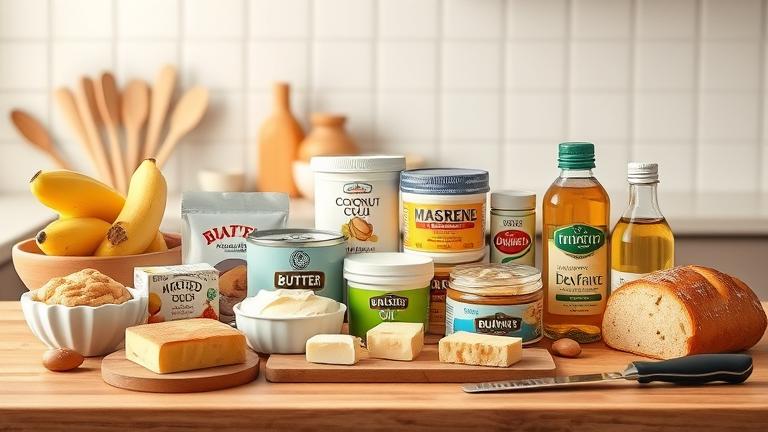
Popular Butter Substitutes in Baking
When baking, butter adds richness, flavor, and moisture to many recipes like cookies, cakes, and pastries. However, sometimes you might want to try a butter substitute. Whether you’re reducing fat intake, following a special diet, or simply want to experiment with different flavors, there are plenty of good options to choose from.
Each butter substitute has its own taste, texture, and best uses. Understanding these differences can help you pick the right one for your baked goods. Let’s explore some of the most popular choices.
1. Margarine
Margarine is one of the most common butter substitutes. It’s made from vegetable oils and has a similar consistency to butter. Margarine works well in cookies, muffins, and cakes because it provides moisture and structure.
Look for margarine labeled as “butter-like” or “baking margarine” to get the best results. Keep in mind that some margarine contains trans fats, so read the label if health considerations are important for you. For a more natural option, choose margarines with no trans fats.
2. Vegetable Oils
Vegetable oils such as canola, sunflower, or coconut oil are liquid and can be used in place of butter. They’re especially good for muffins, quick breads, and brownies. Since oils are liquid at room temperature, they make baked goods moist and tender.
To substitute, use about ¾ cup of oil for every cup of butter called for in the recipe. Keep in mind that oils lack solids, so your baked goods may be less firm than those made with butter. For added flavor, olive oil or coconut oil can also be good choices.
3. Applesauce
Unsweetened applesauce is a popular low-fat substitute for butter in quick breads, muffins, and cakes. It keeps baked goods moist and adds natural sweetness without extra calories or fat.
Use half the amount of butter called for in the recipe; for example, if a recipe asks for 1 cup of butter, try using ½ cup applesauce. Keep in mind that applesauce may slightly alter the texture and flavor, making baked goods a bit softer and subtly fruity.
4. Yogurt or Sour Cream
Both yogurt and sour cream add moisture and a slight tang to baked items like muffins and cakes. They’re good options for reducing fat and boosting protein. They also create a tender crumb and can enhance flavor.
Use equal amounts of yogurt or sour cream as you would butter. For best results, choose full-fat versions for richer textures, or low-fat options for lighter treats.
5. Nut Butters
Almond, peanut, or cashew butter can add flavor and moisture to cookies, brownies, and bars. They introduce a nutty taste and creamy texture. Because nut butters are dense, start by replacing half of the butter and see how the dough or batter turns out.
Consider the flavor profile of your baked good nut butters work best in recipes where their flavor can shine.
Tips for Substituting
- Start with small swaps to see how the texture and taste change.
- Adjust other ingredients as needed, especially if using liquid substitutes like oils and applesauce.
- Remember that some substitutes may slightly affect baking time or the final appearance.
By trying different butter substitutes, you can find healthier options or create unique flavors in your baked goods. Have fun experimenting and enjoy your baking adventures!
Healthy Alternatives to Butter
If you’re looking to cut back on butter or find healthier options, you’re in the right place. There are many plant-based oils and spreads that can add flavor and moisture to your dishes while offering nutritional benefits. Replacing butter with these alternatives can help you maintain a balanced diet without sacrificing taste.
Popular Plant-Based Oils
Many cooks prefer using plant-based oils as a healthier substitute for butter. Some common options include olive oil, avocado oil, and coconut oil. These oils are rich in healthy fats, which can support heart health and provide essential nutrients.
- Olive oil: Known for its heart-healthy monounsaturated fats, olive oil is perfect for sautéing, dressings, and drizzling over finished dishes. Extra virgin olive oil is the most flavorful and least processed option.
- Avocado oil: With a mild flavor and high smoke point, avocado oil works well for baking and frying. It contains healthy monounsaturated fats and vitamin E.
- Coconut oil: This oil has a distinct flavor and is solid at room temperature. Use it in baking or for adding moisture to recipes. It contains saturated fats, so use it in moderation.
Nut and Seed Butters
Nut butters such as almond, peanut, or cashew spread can be delicious alternatives to butter. They add healthy fats, protein, and fiber to your meals. Spread them on toast or stir into sauces and smoothies for extra flavor and nutrition.
- Choose natural versions with no added sugars or hydrogenated oils.
- Remember that nut butters are calorie-dense, so portion control is key.
Healthier Spreads and Alternatives
There are also specially formulated spreads that can replace butter in baking or spreading. Examples include hummus, tahini, or avocado-based spreads. These options often contain more nutrients and fewer saturated fats than traditional butter.
- Hummus: Made from chickpeas, tahini, lemon, and olive oil, hummus adds creaminess with a boost of protein and fiber.
- Tahini: A sesame seed paste that offers healthy fats and a rich flavor. Use it in dressings or baked goods.
- Avocado spread: Mashed avocado makes a creamy, nutrient-rich alternative. It’s ideal for toast or sandwiches.
Tips for Substituting Butter in Recipes
- Adjust quantities: When replacing butter, use a 1:1 ratio unless the recipe suggests otherwise. Some spreads or oils may be more concentrated, so taste as you go.
- Consider flavor compatibility: For baked goods, choose neutral oils or spreads if you want a subtle taste. For savory dishes, flavorful oils like olive or avocado enhance the overall flavor.
- Mind the texture: Some alternatives may change the texture of baked goods. For example, coconut oil solidifies at cooler temperatures, which might be different from butter’s consistency.
Switching to healthier alternatives to butter can be simple and delicious. Experiment with different options to find what works best for your recipes and taste buds. Small changes in your cooking can add up to big health benefits over time.
Dairy-Free Butter Options
If you’re looking for dairy-free butter alternatives, you’re not alone. Many people choose plant-based options due to allergies, dietary preferences, or ethical reasons. Luckily, there are several tasty and versatile choices like coconut oil, margarine, and other plant-based spreads that can work just like traditional butter in most recipes.
Coconut Oil
Coconut oil is a popular dairy-free butter substitute thanks to its creamy texture and mild flavor. It works well in baked goods like cookies, muffins, and pancakes. You can use it in a 1:1 ratio when replacing butter.
Take note that coconut oil melts at about 76°F (24°C). So, if you’re baking or spreading, consider the temperature. Solid coconut oil is great for cookies and shortbread, giving a rich, tender crumb. For drizzling or spreading on toast, you’d want it at the right temperature to ensure it spreads easily.
One tip: avoid using refined coconut oil if you prefer a neutral flavor. Virgin coconut oil adds a subtle coconut taste, which can be nice in some recipes but overpowering in others.
Margarine
Margarine is a classic dairy-free butter alternative made from plant oils. It’s widely available and often comes in spreads or sticks similar to butter. When choosing margarine, look for products labeled vegan or dairy-free to ensure they contain no animal-derived ingredients.
Margarine is super versatile. It can be used for baking, sautéing, or spreading on bread. Since margarine varies in fat and moisture content, check the packaging for specific uses. Some margarine spreads are softer and ideal for spreading, while others are firmer and better for baking.
Tip: opt for margarine varieties with added nutrients like vitamin D or omega-3 fatty acids for extra health benefits. Also, watch for hydrogenated oils in some margarine brands these are less healthy options and best avoided.
Other Plant-Based Spreads
Beyond coconut oil and margarine, there are several other plant-based spreads worth trying. These include products like avocado spread, nut butters, or commercially made vegan butter blends.
Vegan butters often combine oils like avocado, olive, or sunflower with emulsifiers and flavorings to mimic the taste and texture of dairy butter. These can be great in cooking, baking, or simply spreading on toast.
When choosing a spread, check the label for ingredients. Some contain preservatives or additives you might prefer to avoid. Experiment with different types to find the flavor and consistency that best suits your cooking style.
Quick Tips for Dairy-Free Butter Alternatives
- Always read labels carefully to confirm the product is vegan or dairy-free.
- If baking, remember that some alternatives may affect the texture or flavor slightly. You might need to tweak your recipes.
- Store coconut oil at room temperature or in the fridge, depending on your preference. Margarines and spreads should be kept in the fridge.
- Use melted coconut oil for recipes calling for melted butter, and solid or room-temperature spreads for creaming or spreading.
Best Substitutes for Fried Foods
If you love the crispy, golden goodness of fried foods but want to make healthier choices or avoid certain ingredients, you’re in the right place. One common ingredient in frying is butter, which adds flavor but can burn easily and has a lower smoke point. Luckily, there are plenty of good substitutes that provide high heat stability and tasty results. Let’s explore your options for frying without butter.
Choosing the right fat or oil is key to achieving that crispy exterior and tender inside. You want something that withstands high temperatures without smoking or breaking down. Additionally, flavor matters some oils add a subtle taste, while others are neutral. Here are the most popular substitutes suited for frying:
Healthy Oils with High Smoke Points
- Vegetable Oil: A versatile and affordable option, vegetable oil has a high smoke point around 400-450°F. It’s neutral in flavor, making it perfect for a variety of fried foods from chicken to fries.
- Canola Oil: Known for its mild taste and high smoke point, canola oil is an excellent choice for frying. It also has a good balance of healthy fats.
- Peanut Oil: With a smoke point of roughly 450°F, peanut oil is especially good for deep frying. It adds a slight nutty flavor, which can complement many dishes.
- Safflower Oil: This oil has one of the highest smoke points around 510°F, ideal for deep frying. It’s light and won’t interfere with your food’s flavor.
- Sunflower Oil: Similar to safflower, sunflower oil provides high heat stability and a mild taste, making it suitable for crispy fried snacks.
Other Fats and Alternatives
- Coconut Oil: With a smoke point of about 350°F, coconut oil is great for medium-high heat frying. It adds a subtle coconut flavor that pairs well with certain recipes, like snacks or sweet items.
- Avocado Oil: One of the healthiest options, avocado oil has a very high smoke point (up to 520°F). Its mild flavor works well for frying foods that need a crisp finish.
- Rendered Animal Fats: Traditional fats like duck or chicken fat can also be used for frying. They add rich flavor but are higher in saturated fats, so use sparingly.
Tips for Choosing the Best Substitute
- Consider the smoke point: For deep frying, pick oils with a smoke point above 400°F.
- Think about flavor: Neutral oils are versatile, while options like peanut or coconut oil add distinctive tastes.
- Check health factors: Some oils contain healthier fats, so read labels if health is a priority.
- Match the cooking method: Use the oil that suits your frying technique deep frying or pan-frying.
Remember, the right substitute can help you make crispy, delicious fried foods while aligning with your health goals and flavor preferences. Experiment with different oils to find your favorites, and enjoy a tasty, crispy treat without butter.
Budget-Friendly Butter Replacements
If you’re looking to cut costs in the kitchen but still want your baked goods and dishes to taste great, there are plenty of budget-friendly butter replacements. These options use common ingredients often found in your pantry or refrigerator. They can help you save money without sacrificing flavor or texture.
One of the simplest substitutes is vegetable oil. It’s inexpensive, shelf-stable, and adds moisture to baked goods. Use about ¾ cup of vegetable oil for every 1 cup of butter in a recipe. Keep in mind that oil makes baked items softer and more moist but can sometimes change the texture slightly, so it’s best for muffins, quick breads, and pancakes.
Another affordable alternative is margarine. It’s often cheaper than butter and widely available. When using margarine, replace it in a 1:1 ratio with butter. However, note that margarine sometimes contains trans fats, so check labels if you prefer a healthier choice. For many baked treats, margarine provides a similar flavor and texture to butter, especially if you choose a reputable brand.
Applesauce is a popular, healthy, and low-cost replacement for butter, especially in baking. Unsweetened applesauce adds moisture and sweetness, making it great for muffins, cakes, and cookies. Use half the amount of applesauce compared to butter. For example, if your recipe calls for 1 cup of butter, substitute with ½ cup of applesauce. It’s a good way to reduce fat and add flavor, but keep in mind that it might make baked goods denser and slightly sweeter.
Yogurt, particularly plain or Greek yogurt, is another economical option. It adds moisture, tenderness, and a bit of tang. Use about half the amount of yogurt compared to butter. For example, if a recipe calls for 1 cup of butter, try ½ cup of yogurt. This substitution works well in quick breads and muffins, but it’s best to use full-fat varieties for the best texture and flavor.
Other inexpensive options include shortening and coconut oil. Shortening is usually cheaper and provides tender, flaky results in pie crusts and pastries. Use 1 cup of shortening for 1 cup of butter. Coconut oil is a bit more costly but still more affordable than some specialty butters. It imparts a subtle coconut flavor and works well in cookies and baked goods made with tropical flavors.
- Tips for best results: Always consider the type of dish. For delicate pastries, butter or margarine might give better flavor and texture. For quick breads and muffins, oils and applesauce are excellent savings options.
- Watch for added ingredients: Some substitutes, like margarine and coconut oil, may contain additives or flavors that could alter your recipe.
- Experiment: You might need to try a few options to find what works best for your taste buds and recipes.
By choosing the right budget-friendly butter replacement, you can enjoy delicious homemade meals and baked treats without overspending. Keep a few of these staples handy in your pantry and get creative with your cooking!
Flavorful Butter Alternatives for Cooking
If you’re looking to add rich flavor to your dishes without using traditional butter, there are plenty of delicious alternatives to explore. From infused oils to herb spreads, these options can enhance everything from sautéed vegetables to baked goods. Whether you’re avoiding dairy, cutting back on fat, or just experimenting with new flavors, these substitutes can bring a new level of taste to your cooking.
Flavored Oils
One of the simplest ways to replace butter is with flavored oils. Extra virgin olive oil is a popular choice, offering a mild, fruity taste that works well in salads, drizzles, or finishing dishes.
- Garlic-infused oil: Heat olive oil with crushed garlic, then strain out the solids. It adds a savory, aromatic boost to pasta or roasted veggies.
- Basil or rosemary oil: Infuse oils with herbs by gently heating them with your favorite fresh herbs. Use these in dressings or for sautéing.
Keep in mind that flavored oils are calorie-dense, so use them in moderation to keep your dishes balanced.
Herb-Infused Spreads and Pastes
If you enjoy butter’s creamy texture and herby aroma, herb spreads are a delightful alternative. These are typically made with ingredients like herbs, garlic, and a base such as olive oil or avocado.
- Herb-infused olive oil: Combine chopped herbs like parsley, thyme, or chives with olive oil. Let sit for a few hours or overnight for maximum flavor.
- Avocado spread: Mash ripe avocado with lemon juice, garlic, and herbs. It’s perfect for spreading on toast or tossing into vegetables.
Herb spreads add freshness and brightness to your dishes. They work well in salads, as bread spreads, or as a finishing touch.
Other Creative Choices
Besides oils and spreads, consider these innovative options:
- Coconut oil: With its slightly sweet flavor, coconut oil is great in both baking and cooking. Use unrefined coconut oil for a more coconutty taste.
- Nut butters: Almond or cashew butters can add richness and depth to sauces and baked goods. They are particularly good in Asian-inspired recipes.
- Vegetable purees: Mashed pumpkin, sweet potato, or carrot can provide moisture and flavor in baking, making them a good butter substitute in recipes like muffins or bread.
When choosing alternatives, think about the flavor profile you want to achieve. For example, coconut oil adds sweetness, while nut butters lend a hearty, savory note.
Tips for Using Butter Substitutes
- Start by replacing butter gradually to see how the flavors work with your dish.
- Adjust seasonings if needed, since some substitutes can alter the taste slightly.
- Pay attention to temperature; some oils or spreads may melt or behave differently during cooking.
Experimenting with these flavorful butter alternatives can open up new possibilities in your cooking. With a little creativity, you’ll find plenty of ways to add richness and depth to your meals without relying on traditional butter.
FAQs About Butter Substitutes
If you’re wondering about using alternatives instead of butter in your recipes, you’re not alone. Many home cooks ask about how substitutions affect taste, health, and cooking results. Here are some common questions and helpful answers to guide you.
Can I replace butter with oil in baking?
Yes, you can often swap butter for oil in baking recipes. Typically, use about ¾ of the amount called for in butter since oil is more concentrated. For example, if a recipe needs 1 cup of butter, use about ¾ cup of oil.
Keep in mind that oil will make baked goods moister and can change the texture. For cookies and cakes, vegetable oil, canola oil, or light olive oil work well. Remember, because oil has a different flavor profile, it may slightly alter the taste.
What are the best dairy-free substitutes for butter?
If you’re avoiding dairy, options include margarine, plant-based spreads, or coconut oil. Margarine is the closest substitute in flavor and consistency and works well for most baking. Just check the label to make sure it contains no dairy ingredients if you’re strict about dairy-free.
Coconut oil is another popular choice. It adds a subtle coconut flavor and solidifies at room temperature, similar to butter. Use it as a 1:1 replacement, but keep in mind its unique taste and scent.
Does using butter substitutes affect taste and texture?
It can, depending on the substitute. For example, applesauce or mashed banana can replace butter in certain baking recipes to make them healthier, but they can make baked goods denser or moister. Vegetable oils tend to produce tender and moist results but may lack the richness of butter.
For savory dishes, using stock or olive oil usually works without changing flavor too much. When in doubt, try a small batch first to see how your taste buds and texture turn out.
Are butter substitutes healthier?
Many substitutes can be healthier, especially if they reduce saturated fats or eliminate trans fats. For example, using olive oil or avocado can add healthy monounsaturated fats. Replacing butter with applesauce or fruit purees cuts calories and saturated fat.
However, some margarine brands contain hydrogenated oils. Always check labels for trans fats or artificial ingredients. Remember, moderation is key in any case.
Can I use butter substitutes in all recipes?
While many substitutes work well in baking and cooking, some recipes are sensitive. For instance, traditional pastry dough needs butter’s flakiness, which can be hard to replicate with substitutes.
In general, margarine or vegetable oils are good for most baked goods, but delicate pastries or flakier crusts might require butter. When trying a new substitute, consider testing a small batch first to see how it performs.
Tips for Success with Butter Substitutes
- Match the substitute to the recipe: Oil for moisture, applesauce for health, margarine for flavor.
- Adjust the amount if needed, especially when using dense replacements like fruit purees.
- Consider the flavor profile: coconut oil adds a mild coconut taste, while olive oil offers a bit of savory flavor.
- Remember that some substitutes may change the appearance or texture, so monitor your first attempts carefully.
Experimenting with butter substitutes can be rewarding and health-conscious. With a little practice, you’ll find the perfect match for your favorite recipes.