
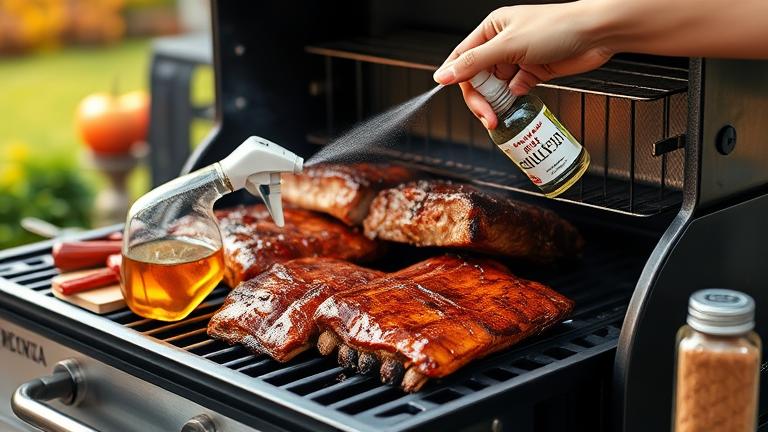
Best Sprays for Smoking Meat
When smoking meat, using the right spray can make a big difference in moisture, flavor, and even the appearance of your finished dish. Sprays are often applied during the smoking process to keep the meat juicy and to add layers of flavor. They are especially helpful for longer smoke sessions, ensuring the meat stays moist and develops a tasty bark.
There are several popular options for sprays, each with its own unique benefits depending on what type of meat you are smoking and the flavor profile you want. The choice of spray can elevate your smoking game and help you produce restaurant-quality results at home.
Common Types of Sprays and Their Benefits
- Apple Juice Spray: A classic choice, apple juice adds a sweet, fruity flavor and helps keep pork and poultry moist. It’s especially popular for brisket and chicken due to its mild sweetness.
- Vinegar-Based Sprays: Combining vinegar with water or apple cider vinegar adds a tangy kick and helps develop a nice crust, or bark, on the meat. It’s great for pork and ribs to balance fat and enhance tenderization.
- Beer or Ale Spray: Using beer can impart a rich, malty flavor. It works well for beef brisket or even sausages, adding depth to the meat’s taste while keeping it moist.
- Broth or Stock Spray: Chicken, beef, or vegetable broth sprays can add savory notes and moisture, making them perfect when smoking more delicate meats or creating complex flavors.
- Juice or Water with Spices: Mixing water with herbs, garlic, or chili flakes allows you to customize flavors. This is especially useful if you want a subtle infusion of herbs or a little spice.
How to Use Sprays During Smoking
Applying sprays is simple but effective. Typically, you want to spray every 30 to 45 minutes during the smoking process.
Start by preparing your chosen spray in a clean spray bottle. Keep it nearby so you can easily give the meat a light mist while it smokes. Avoid over-spraying, as too much moisture can hinder smoke penetration or slow down cooking.
Hold the spray bottle about 6-12 inches away from the meat to evenly distribute the spray. A gentle mist is enough—there’s no need to soak the meat. Remember, the goal is to keep the surface moist and develop flavor gradually.
Tips for Best Results
- Always use a clean spray bottle to prevent bacteria growth.
- Test your spray on a small piece of meat first to see how it affects flavor and appearance.
- Adjust your spraying frequency based on the meat and weather conditions. Hotter or windier days may require more frequent spraying.
- Consider combining sprays for complex flavor layers, like apple juice with a splash of vinegar.
Choosing the right spray and using it wisely can turn an ordinary smoker session into a flavorful, moist masterpiece. Experimenting with different options will help you find the perfect match for your meat and taste preferences.
How to Use Apple Juice and Whiskey
Using apple juice and whiskey as spray options can add depth and flavor to your dishes and beverages. Whether you’re applying them to fruits, meats, or baked goods, knowing the right methods makes a big difference. Both liquids bring unique qualities: apple juice adds sweetness and moisture, while whiskey offers a rich, smoky flavor. When used properly, they can enhance your cooking and presentation.
First, it’s important to choose high-quality apple juice. Look for pure, unsweetened juice without added sugars or preservatives. For whiskey, select a type that complements your recipe — a mild bourbon works well for baking, while a spicy rye might be better for savory dishes. Both can be adjusted in ratios to suit your taste and purpose.
Preparing Your Spray Mixture
- Start by deciding what you want to achieve. Do you want to add flavor, keep foods moist, or prevent burning?
- Mix the liquids in a spray bottle. Usually, a 1:1 ratio of apple juice or whiskey to water works well for a light coating. For a stronger flavor, use a higher proportion of the main ingredient.
- If you’d like a sweeter spray, add a small amount of honey or sugar dissolved in warm water. For a more concentrated flavor, use undiluted apple juice or whiskey sparingly.
Techniques for Using the Sprays
- Applying to fruits: Spray apple juice onto cut or sliced fruits like apples or pears to prevent browning and add a touch of sweetness. Do this immediately after cutting.
- Moistening baked goods: Lightly spray baked bread, muffins, or cakes during the last few minutes of baking. This creates a shiny, appealing crust.
- Flavor infusion for meats: Use whiskey spray during grilling or roasting to add smoky flavors. Spray periodically to keep the meat moist and develop a caramelized exterior.
- Preventing sticking: Lightly spray your baking pans or grill grates with apple juice or whiskey mixture to reduce sticking.
Tips for Best Results
- Test your spray on a small area first to see how it interacts with the food.
- Store your mixture in a sealed container in the refrigerator to keep it fresh.
- Clean your spray bottle regularly to prevent clogging or mold growth.
- Adjust the ratio to control the strength of flavor and moisture. Less whiskey or apple juice means a more subtle effect.
Safety and Precautions
Be cautious not to use too much whiskey when spraying, as it can overpower other flavors or cause a fire hazard if you’re grilling. Always spray in a well-ventilated area and keep the spray away from open flames. When applying alcohol-based sprays to hot foods, do so carefully to avoid flare-ups.
By following these methods and tips, you can effectively incorporate apple juice and whiskey into your cooking. They’re versatile tools that can enhance flavor, improve texture, and add a professional touch to your kitchen creations.
Popular Vinegar and Citrus Mixes
Vinegar and citrus-based spray mixes are great tools to add flavor, moisture, and a little tang to your smoked meats. These mixes are simple to prepare and can make a big difference in the juiciness and taste of your barbecue. They help keep your meat moist during long smoking sessions and introduce delicious layers of flavor.
Before you start, remember that choosing the right vinegar and citrus combination depends on your taste preferences and the type of meat you’re smoking. Experimenting with different mixes can help you find your perfect blend. Let’s explore some common and versatile vinegar and citrus spray mixes.
Basic Vinegar and Citrus Mix Proportions
A typical spray mix includes a part vinegar, a part citrus juice, and some additional flavorings. For example, a good starting point is:
- 1 cup vinegar: (apple cider vinegar, white vinegar, or malt vinegar)
- 1 cup citrus juice: (lemon, lime, orange, or grapefruit)
- Optional flavorings: herbs, spices, honey, or hot sauce
Mix these ingredients well in a spray bottle. Always shake before using to combine the flavors. Use this spray every 30 minutes to help keep the meat moist and impart a tangy flavor.
Popular Combinations and Tips
- Classic Lemon-Vinegar Spray: Combine ½ cup apple cider vinegar with ½ cup lemon juice. Add a pinch of salt and some black pepper. Perfect for chicken or fish.
- Orange-Ginger Mix: Mix 1 cup orange juice, ½ cup rice vinegar, and a teaspoon of grated ginger. Great for pork or beef brisket.
- Grapefruit and Vinegar: Use ¾ cup grapefruit juice mixed with ¼ cup white vinegar. Add a little honey for sweetness. Works well with chicken.
- Spicy Citrus Blend: Combine lemon juice, lime juice, and a dash of hot sauce or cayenne pepper with vinegar. Good for adding a spicy kick to ribs.
Extra Tips for Using Vinegar and Citrus Sprays
- Refrain from overdoing the sprays. Too much vinegar can overpower the meat and make it sour.
- Spray evenly and frequently, about every 30 to 45 minutes during the smoking process.
- Keep your spray bottle chilled if you’re not immediately using it. This helps preserve the flavors and prevents bacterial growth.
- Feel free to customize your mixes by adding herbs like thyme or rosemary, or a touch of honey for sweetness.
Using vinegar and citrus mixes is a simple way to enhance the flavor of your smoked meats. With some experimentation, you can create a signature spray that keeps your meat moist and bursting with flavor. Don’t be afraid to try different combinations and adjust them to suit your taste buds.
Creating Your Own Smoke Spray Recipes
Making your own smoke spray recipes is a fun and easy way to add a personalized smoky flavor to your grilled or smoked dishes. Smoke sprays are simple mixtures that you spray onto your food during cooking, infusing it with depth and complexity. The best part is you can customize these recipes to match your taste and experiment with different ingredients for unique flavors.
To start creating your own smoke spray recipes, you’ll need a few basic ingredients. Typically, you’ll combine water with flavorings like herbs, spices, fruit juices, or even tea. The goal is to create a mixture that disperses easily in a fine mist and enhances your food without overpowering it.
Basic Steps for Making Smoke Sprays
- Choose your base liquid. Water is common, but you can also use apple cider, beer, broth, or tea for added flavor.
- Add flavorings. Think about what goes well with your meat or vegetables. Popular options include garlic, onion, citrus zest, apple juice, bourbon, or herbs like rosemary or thyme.
- Allow the ingredients to steep. Let your mixture sit for at least 30 minutes to fully develop the flavors. Strain out any solids before use.
- Pour the mixture into a spray bottle. Use a clean, preferably fine-mist spray bottle for best results.
- Spritz your food during the cooking process. Spray every 15-20 minutes for a consistent smoky infusion or whenever you want to boost flavor.
Ideas for Customizing Your Smoke Spray Recipes
- Fruit-based spritz: Combine apple juice with a touch of cinnamon or lemon zest. Great for pork and poultry.
- Herb-infused spray: Mix water with fresh rosemary, thyme, or basil. Perfect for vegetables and chicken.
- Spicy kick: Add a splash of hot sauce or a pinch of chili powder to your base liquid for a smoky, spicy flavor.
- Sweet and smoky: Use bourbon or whiskey with a dash of honey. Ideal for ribs or brisket to add depth and sweetness.
- Tea or coffee: Brew strong black tea or coffee, cool, and use as a smoky enhancer, especially good for beef or game meats.
Experimentation Tips
- Start with small batches. This way, you can test different flavors without waste.
- Make notes of your favorite combinations for future use.
- Mix and match ingredients to create signature flavors. For example, lemon and thyme or apple and cinnamon.
- Keep safety in mind. Store your flavored sprays in the refrigerator and use within a week for best freshness.
- Be careful with strong flavors. Too much garlic or spice can overpower your food, so add gradually and taste as you go.
Safety and Storage
Always ensure your spray bottles are clean before using them to prevent bacteria growth. Store your homemade smoke sprays in the fridge, especially if they contain perishable ingredients. Shake well before each use to mix the flavors evenly. Using fresh ingredients will give you the best taste results and safety for your food.
Do’s and Don’ts of Spraying Meat
Spraying meat during smoking is a useful technique to keep it moist and enhance flavor. But if you’re not careful, it can sometimes do more harm than good. Here are some friendly tips and common mistakes to help you master spraying meat for that perfect smoke.
Do’s of Spraying Meat
- Use the right spray liquid: Choose liquids that complement your meat such as apple juice, cider vinegar, or water. Avoid sugary drinks or anything too thick, as they can burn or create a sticky mess.
- Spray frequently but gently: Aim to spray every 30 to 45 minutes, especially during the first few hours. Use a light mist to avoid disrupting the smoke ring or losing too much moisture.
- Keep the lid closed: Only open the smoker when necessary. Spraying can be done quickly without opening the lid too often, which helps maintain temperature and smoke levels.
- Use a clean spray bottle: Make sure your spray bottle is clean to prevent bacteria growth. Regularly rinse and fill it with fresh liquid for each cook.
- Spray from a distance: Hold the spray bottle a few inches above the meat and mist lightly. This prevents excess moisture and keeps a uniform coating.
- Monitor the meat’s condition: Check the surface after spraying to see if it’s developing a nice glossy, caramelized look. Adjust your spraying frequency based on how the meat reacts.
Don’ts of Spraying Meat
- Don’t spray too often: Over-spraying can cause the meat to become soggy and slow down the cooking process. It can also wash away the smoke flavor.
- Don’t spray sugary liquids late in the process: Sugar-based sprays can burn easily, creating bitter flavors or a burnt crust. Add sweeteners earlier in the smoking process if desired.
- Don’t spray cold liquids on hot meat: Cold liquids can cause stress to the meat and might affect the cooking temperature. Use room temperature or slightly warm liquids for spraying.
- Don’t spray in high humidity or wind: Wind can quickly blow away the spray mist, reducing its effectiveness. Same with very humid days, which can slow down the crust formation.
- Don’t spray with unclean tools: Using dirty spray bottles or brushes can introduce bacteria or contaminants to your meat. Always keep your tools clean and sanitized.
- Don’t forget about safety: When spraying, avoid getting the liquid on your face or clothes. Also, be cautious around open flames or hot surfaces to prevent accidents.
Spraying meat during smoking is a simple step that adds to the craft of barbecue. Doing it right involves gentle, mindful techniques and avoiding common pitfalls. With practice, you’ll find the perfect balance to keep your meat moist, flavorful, and beautifully crusted.
Tips for Moist and Tasty Meat
Getting moist and flavorful smoked meat is easier than you might think. The key is to balance moisture retention with seasoning and proper cooking techniques. Whether you’re new to smoking or looking to improve your results, these practical tips will help you achieve tender, juicy, and tasty meat every time.
Choose the Right Cut of Meat
Your starting point matters a lot. Cuts like brisket, pork shoulder, or ribs naturally have more fat and connective tissue, which helps keep the meat moist during smoking. Leaner cuts, such as chicken breasts or turkey, tend to dry out faster, so they require extra care. Picking the right cut sets the foundation for flavorful, tender meat.
Marinate or Brine the Meat
Marinating or brining your meat can boost moisture and flavor. A marinade with oil, vinegar, herbs, and spices not only adds taste but also helps keep the meat moist. Brining involves soaking the meat in a saltwater solution, which allows the meat to absorb extra moisture. For example, a simple salt and sugar brine for poultry can make a big difference in juiciness.
Apply the Right Rubs and Seasonings
Using a good rub enhances flavor and can encourage moisture retention. Be generous with salt, as it helps the meat hold onto water during cooking. Avoid overly salty or sugary rubs that might burn early. Let the seasoned meat rest for a bit before smoking to allow the flavors to penetrate.
Maintain Proper Temperature
Temperature control is vital for moisture. Keep your smoker steady at around 225°F to 250°F. Too high, and the meat can dry out quickly; too low, and it might not cook evenly. Invest in a good meat thermometer to monitor internal temperature. For tender, juicy results, meat like brisket should reach about 195°F to 205°F.
Use Moisture-Adding Techniques
- Place a water pan inside the smoker. It releases steam, helping to keep the meat moist.
- Spritz the meat regularly with apple juice, water, or a vinegar-based mixture. This both flavors and moistens the surface during long cooks.
- Wrap the meat in foil or butcher paper once it hits the stall (around 160°F). This locks in the juices and speeds up the cooking process.
Don’t Overcook
Timing is everything. Overcooking can dry out even the most flavorful meat. Use a meat thermometer to check for the right internal temperature. Once your meat hits the target, remove it from the smoker and let it rest for 15 to 30 minutes. Resting allows juices to redistribute, making each bite juicy and tender.
Avoid Common Mistakes
- Skipping the brine or marinade if you’re using lean cuts.
- Opening the smoker too often, which drops the temperature and causes moisture loss.
- Cooking at too high heat, leading to dried-out meat.
With these practical tips, you’ll be well on your way to creating moist, tender, and flavorful smoked meat. Remember, patience and attention to detail make all the difference. Happy smoking!
Common Mistakes to Avoid
Spraying meat during the smoking process can help keep it moist and enhance flavor, but many home cooks make mistakes that can affect the final result. Knowing these common errors and how to prevent them will help you achieve juicy, flavorful smoked meat every time.
One of the biggest mistakes is spraying too often. Some people think that continuous spraying will make the meat more tender, but overdoing it can actually hinder the smoke from penetrating the meat and even wash away the flavorful bark forming on the surface. Usually, spraying every 30 to 45 minutes is enough, especially during the first few hours of smoking. Use a gentle spray and focus on keeping the surface moist without overdoing it.
Another common error is using the wrong liquids for spraying. While water might seem like a safe choice, it doesn’t add much flavor. Instead, opt for liquids that enhance taste, such as apple juice, cider vinegar, or a mixture of water with a splash of lemon juice or honey. These add flavor and help maintain moisture without diluting the smoke flavor.
It’s also important to spray at the right time. Many beginners spray right from the start, but the meat’s initial phase needs to develop a good bark or crust. Spraying during this time might interfere with that process. It’s best to wait until the meat has set a nice surface—usually around the two-hour mark—before starting to spray. Then, you can continue periodically to keep the surface moist and flavorful.
Be cautious not to spray directly onto the heat source or coals. This can cause flare-ups or uneven cooking. Instead, spray from a safe distance, aiming at the surface of the meat to avoid disrupting the heat or creating dangerous sparks. If you’re using a water pan, ensure it’s filled properly and not overfilled, as excess water can dilute the smoke and affect the overall cooking process.
Another mistake is forgetting to clean your spray bottle regularly. Old liquids and mold can spoil your spray mixture and introduce unwanted flavors. Clean your spray bottles thoroughly before each use, and consider labeling different bottles if you use various liquids. Personalized bottles help prevent cross-contamination and ensure the right flavors at each stage.
Lastly, don’t forget that patience is key. Spraying helps maintain moisture, but over-spraying won’t compensate for improper smoking—like choosing the wrong wood or setting the temperature too high. For best results, follow your recipe’s guidelines and practice consistent spray timing and liquids. With experience, you’ll find the perfect balance for moist, flavorful smoked meat.
- Avoid spraying too often — less is often more.
- Use flavorful liquids like apple juice or vinegar instead of plain water.
- Spray at the right time, typically after the meat has developed a crust.
- Keep your spray bottle clean to avoid unwanted flavors.
- Spray from a safe distance to prevent flare-ups or uneven cooking.