
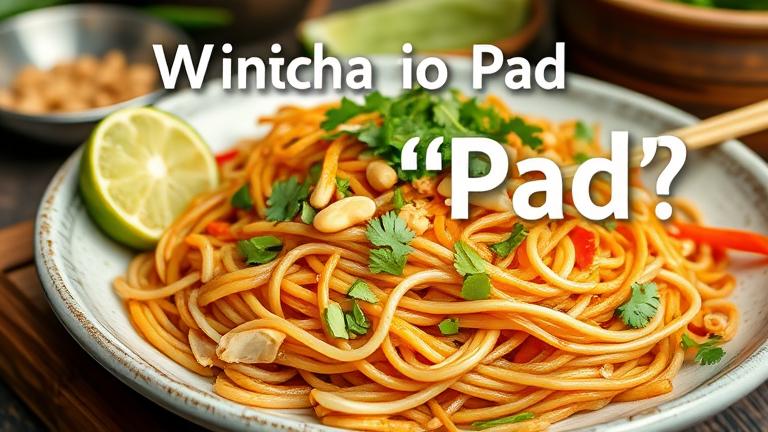
Introduction to Thai ‘Pad’ Dishes
If you’re exploring Thai cuisine, you’ll likely come across the term “Pad” in many dishes. In Thai, “Pad” means “stir-fried,” and it refers to a style of cooking where ingredients are quickly fried in a wok with aromatic spices and sauces. These dishes are incredibly popular both in Thailand and around the world.
Pad dishes are loved for their bold flavors, quick preparation, and versatility. They often include a combination of vegetables, meats, seafood, or tofu, all stir-fried together with garlic, chili, and savory sauces. This cooking method helps keep the ingredients fresh and full of flavor, making each dish vibrant and satisfying.
In Thai culinary tradition, “Pad” dishes are more than just quick meals. They are part of a cultural expression that emphasizes balance sweet, sour, salty, and spicy. Many classic Pad dishes showcase this harmony, creating a complex taste experience in every bite.
Some of the most famous Thai “Pad” dishes include Pad Thai, a stir-fried noodle dish sweetened with tamarind and often garnished with peanuts; Pad See Ew, featuring wide rice noodles and savory soy sauce; and Pad Krapow, a spicy stir-fry with basil and chili. Each of these dishes has a unique flavor profile and regional twist, reflecting Thailand’s rich culinary diversity.
Preparing a “Pad” dish at home is straightforward once you get familiar with the ingredients and techniques. The key is to have all your ingredients prepped and ready before you start stir-frying, as the process happens quickly. Using a wok is ideal because it heats evenly and allows you to toss the ingredients easily.
Whether you prefer a fiery Pad Krapow, a tangy Pad Thai, or a savory Pad See Ew, these dishes are adaptable to your taste. You can adjust the spice level, add your favorite vegetables, or swap proteins to make each “Pad” uniquely yours.
Overall, Thai “Pad” dishes are an exciting and approachable way to bring the vibrant flavors of Thailand into your kitchen. They exemplify the essence of Thai cooking quick, flavorful, and full of life. With a little practice, you’ll be able to create an array of delicious “Pad” dishes that impress family and friends alike.
Common Ingredients in ‘Pad’ Recipes
Pad recipes, such as Pad Thai or Pad See Ew, are beloved for their vibrant flavors and satisfying textures. These dishes originate from Thailand and feature a blend of fresh, flavorful ingredients. Understanding the common components can help you recreate authentic tastes right in your own kitchen.
Most pad dishes include a combination of vegetables, proteins, and a flavorful sauce. The key to a successful pad recipe is balancing sweet, savory, sour, and sometimes spicy elements. Let’s explore the ingredients that typically make these dishes special.
Essential Proteins
- Tofu: A popular vegetarian option, firm or extra firm tofu is often stir-fried until golden. It absorbs flavors well and adds a satisfying texture.
- Chicken: Thinly sliced chicken breast or thigh is common in many pad recipes, cooked quickly to keep it tender.
- Seafood: Shrimp or squid are also popular choices, especially in seafood pad dishes. They cook rapidly and bring a briny, fresh flavor.
Vegetables
- Bean Sprouts: Crisp and fresh, bean sprouts are added near the end to give a crunch and boost freshness.
- Bell Peppers: Sliced bell peppers add color, sweetness, and a slightly crunchy texture.
- Carrots: Julienne carrots are common, providing sweetness and color contrast.
- Green Onions: Chopped green onions add a mild onion flavor and a pop of color.
- Garlic and Shallots: Minced garlic and shallots form the aromatic base that builds flavor for the dish.
Common Aromatics and Seasonings
- Fish Sauce: A salty, savory condiment made from fermented fish. It’s essential for authentic flavor.
- Soy Sauce: Adds depth and saltiness to the dish. Light soy is typically used for a balanced taste.
- Rice Vinegar: Brings a subtle tanginess that balances sweetness and saltiness.
- Palm Sugar or Brown Sugar: Provides a gentle sweetness that rounds out the flavors.
- Chili Flakes or Fresh Chillies: Used to introduce a spicy kick, adjustable to taste.
Starchy Base or Noodles
The heart of any ‘Pad’ dish is usually the noodles. Common choices include:
- Rice Noodles: Thin or wide, these are soft and absorb flavors well. They’re often soaked before cooking.
- Egg Noodles: Sometimes used for a richer, chewier texture.
- Glass Noodles: Made from mung bean or sweet potato starch, these are translucent and slightly chewy.
Additional Tips
- Freshness matters: Use fresh vegetables and aromatics for maximum flavor.
- Balance flavors: Taste your sauce before adding it to ensure it has the right blend of salty, sweet, and sour.
- Adjust spice levels: Add chili or hot sauce gradually, especially if serving to sensitive eaters.
By familiarizing yourself with these common ingredients, you can start experimenting with your favorite ‘Pad’ recipes and create dishes bursting with authentic flavor. The key is balancing ingredients and adjusting seasonings to suit your taste buds.
History and Origin of ‘Pad’ in Thai Cuisine
The word ‘Pad’ in Thai cuisine means ‘stir-fry,’ and it plays a central role in many beloved dishes like Pad Thai, Pad See Ew, and Pad Kra Pao. These dishes are famous not just in Thailand but worldwide. To truly appreciate their flavors, it’s interesting to explore where the ‘Pad’ method and dishes originated from and how they have evolved over time.
Historically, Thai cuisine has been shaped by a mix of local ingredients and influences brought by traders, travelers, and neighboring countries. The concept of stir-frying dates back hundreds of years in Asia, especially in China, where wok cooking was developed. As Chinese immigrants arrived in Thailand, they introduced their cooking techniques, including stir-frying in a wok. Thai cooks adapted these methods to local ingredients and flavors, creating dishes uniquely Thai in style.
The use of stir-frying in Thailand became popular during the Ayutthaya period, from the 14th to the 18th century. During this time, Thai cooks began to combine aromatic herbs, spices, and local vegetables with stir-frying techniques. This method allowed for quick preparation, preserving freshness and flavor, making it ideal for busy households and street vendors.
Pad dishes often feature rice noodles, vegetables, and proteins like chicken, shrimp, or tofu. The flavors come from traditional Thai ingredients like fish sauce, garlic, chili, and lime, creating a perfect balance of sweet, sour, salty, and spicy. Over the years, these dishes grew in popularity and became staples of Thai street food, served from bustling markets and food stalls.
In modern times, Thai cuisine has gained worldwide popularity, and the ‘Pad’ dishes have become international ambassadors of Thai food. They are often customized to suit local tastes, with adjustments in spiciness, sweetness, or ingredients. Despite these adaptations, the core technique of stir-frying remains the heart of these dishes.
So, the story of ‘Pad’ is a blend of Chinese culinary influence and local Thai traditions. It reflects a rich history of cultural exchange, adaptation, and love for quick, flavorful, and satisfying meals. Whether enjoyed in a busy street market in Bangkok or recreated at home in your own kitchen, ‘Pad’ continues to be a symbol of Thailand’s vibrant food culture.
Popular Thai ‘Pad’ Dishes to Try
If you’re exploring Thai cuisine, you’ll quickly discover the word ‘Pad’ is a key part of many beloved dishes. ‘Pad’ means stir-fried in Thai, and these dishes often highlight fresh ingredients and bold flavors. From the world-famous Pad Thai to other delicious varieties, there’s a ‘Pad’ dish for every palate.
Starting with the most famous, Pad Thai is the quintessential Thai stir-fried noodle dish. It features rice noodles cooked with eggs, tofu or shrimp, bean sprouts, and green onions. What makes it special is the balance of flavors: sweet, sour, salty, and spicy, usually finished with crushed peanuts and lime. When trying Pad Thai, look for vendors or restaurants that use vibrant, fresh ingredients for the best authentic taste.
Other Popular ‘Pad’ Dishes to Explore
- Pad See Ew: Thick rice noodles stir-fried with broccoli, egg, and your choice of meat or tofu. It’s a bit darker and richer compared to Pad Thai, thanks to soy sauce. This dish is comforting and filling, perfect if you love savory flavors.
- Pad Kee Mao: Also known as drunken noodles, this dish combines wide rice noodles with chili, basil, and often a splash of fish sauce. It’s spicy, aromatic, and ideal for those who enjoy bold flavors and a bit of heat.
- Pad Prik King: Stir-fried with chili paste and green beans, this dish has a rich, spicy flavor with hints of ginger and turmeric. It pairs well with jasmine rice and is a favorite for those who like a little kick.
- Pad Pak Rob: A vegetarian stir-fry of mixed vegetables cooked quickly over high heat. It’s a simple, healthy choice that highlights the freshness of the produce.
Tips for Sampling Authentic Thai ‘Pad’ Dishes
- Look for places where locals eat; their dishes tend to be more authentic than tourist spots.
- Ask for the spice level if you prefer milder or fiercer flavors. Thai food is often customizable.
- Try adding extra lime or chili to balance or enhance the flavors to your liking.
- Explore different dishes beyond Pad Thai each ‘Pad’ style offers a unique taste experience.
Whether you’re a fan of noodles, vegetables, or spicy flavors, these Thai ‘Pad’ dishes offer something special. Experimenting with different types helps you enjoy a true taste of Thailand’s culinary richness right at home or when dining out.
How ‘Pad’ Dishes Are Prepared
Pad dishes, like the popular Pad Thai or Pad See Ew, are flavorful stir-fried dishes that come from Thai cuisine. They are loved worldwide for their balance of sweet, salty, sour, and spicy flavors. Preparing an authentic ‘Pad’ dish at home or in a restaurant involves a few key techniques and ingredients that can be easily managed once you get the hang of the process.
The foundation of most ‘Pad’ dishes is stir-frying. This quick cooking method helps lock in the flavors and gives the dish its signature slightly charred, smoky taste. The process usually starts with prepping all ingredients ahead of time, so everything is ready to go once you start cooking. These dishes typically feature rice noodles or wide rice vermicelli, which are soaked or cooked until just tender.
To prepare a classic ‘Pad’ dish, you’ll need to make a flavorful sauce first. This often includes a mix of tamarind paste, fish sauce, soy sauce, sugar, and sometimes vinegar or lime juice. The sauce combines sweet, salty, and sour notes that define the dish. Mixing this well beforehand ensures you can add it quickly during stir-frying, which is essential for the best texture and flavor.
Once your ingredients are prepped, follow these general steps:
- Heat a wok or large frying pan over high heat. A hot pan helps achieve that sought-after smoky aroma characteristic of authentic ‘Pad’ dishes.
- Add a small amount of oil, such as vegetable or peanut oil, which has a high smoke point. Wait until the oil is shimmering.
- Stir-fry aromatics like garlic, shallots, or onions for about 30 seconds until fragrant. Be careful not to burn them, as burnt aromatics can taste bitter.
- Add your proteins, such as shrimp, chicken, or tofu, and stir-fry until cooked through. This usually takes 2-3 minutes for shrimp or smaller pieces of meat.
- Throw in the soaked noodles or rice vermicelli. Toss everything together to coat the noodles evenly with the flavors.
- Pour the prepared sauce over the mixture. Quickly toss or stir-fry to coat all ingredients well. The sauce should cling to the noodles and proteins, creating a glossy, flavorful coating.
- Add vegetables like bean sprouts, green onions, or shredded carrots towards the end. They should retain some crunch for texture contrast.
- Finish with a squeeze of lime, chopped peanuts, and fresh herbs like cilantro if desired.
Timing is crucial in ‘Pad’ dishes. Because they are stir-fried at high heat, they cook very quickly, often in about 5 to 10 minutes. This rapid process helps keep the vegetables crisp and the protein tender.
Common mistakes to avoid include overcooking the noodles, which can turn mushy, and not heating the pan enough, resulting in foods steaming rather than stir-frying. Keep everything prepared and within reach before you start cooking. This way, you can work swiftly and produce a vibrant, flavorful ‘Pad’ dish that’s true to the traditional style.
With practice, you’ll get more comfortable adjusting flavors and customizing ingredients to suit your taste. The key is high heat, quick cooking, and balancing those bold flavors. Before long, you’ll be able to whip up authentic ‘Pad’ dishes that taste just like the ones from your favorite Thai restaurant.
FAQ: Meaning and Usage of ‘Pad’
If you’re exploring Thai cuisine, you might come across the word “Pad” frequently. It’s a fundamental part of many popular dishes like Pad Thai, Pad See Ew, and Pad Kee Mao. But what does “Pad” really mean, and how is it used in Thai food? Let’s clarify these questions in a simple, friendly way.
What does “Pad” mean in Thai food?
In Thai, “Pad” (ผัด) generally means “stir-fried.” It describes a cooking method where ingredients are quickly cooked in a hot wok or pan with oil. When you see “Pad” at the start of a dish name, it indicates that the main ingredients have been stir-fried. This technique keeps the food flavorful and preserves the texture of ingredients like vegetables, meats, and noodles.
How is “Pad” used in dish names?
The word “Pad” is combined with other words to describe specific dishes. For example, in Pad Thai, “Thai” refers to the style of the dish, and “Pad” indicates the stir-fried cooking method. The full name tells you that the dish is a stir-fried meal, often with noodles, eggs, and a tasty sauce. Similarly, Pad See Ew features wide rice noodles stir-fried with vegetables and meat or tofu.
Is “Pad” only used for stir-fried dishes?
Mostly, yes. “Pad” is mainly associated with stir-fried foods in Thai cooking. However, sometimes you’ll see it paired with other words that specify the ingredients, like “Pad Krapow” (stir-fried basil) or “Pad Prik” (spicy stir-fry). But all these dishes share the common feature of being quickly cooked in a wok or pan.
Can “Pad” be used for dishes with other cooking methods?
In standard Thai cuisine, “Pad” typically refers to stir-frying. For dishes prepared by boiling, steaming, or other methods, other words are used. For example, “Tom” refers to boiling or soup, and “Yum” for salads or spicy bites. So, if you see “Pad,” expect a stir-fried dish.
Why is “Pad” important in understanding Thai food?
Knowing the word “Pad” helps you understand how the dish is prepared and what to expect. It also gives insight into Thai cooking styles quick, flavorful, and often served with a burst of herbs, spices, and sauces. Recognizing “Pad” makes ordering and cooking Thai dishes easier and more authentic.
Tips for cooking “Pad” dishes at home
- Use a hot wok or large skillet to mimic restaurant-style stir-frying.
- Prepare all ingredients before starting to cook, as stir-frying is fast.
- Don’t overcrowd the pan, which can lower the heat and cause steaming instead of stir-frying.
- Add sauces towards the end to keep the flavors vibrant.
Understanding the meaning and usage of “Pad” gives you a deeper appreciation of Thai cuisine. Whether you’re ordering in or cooking at home, recognizing this term makes exploring Thai food more enjoyable and authentic.
Tips for Making Delicious ‘Pad’ at Home
Making tasty ‘Pad’ dishes at home can be a fun and rewarding experience. Whether you’re preparing Pad Thai, Pad See Ew, or other popular stir-fried dishes, a few simple tips can help you achieve authentic and delicious results.
First, start with the right ingredients. Fresh vegetables like bean sprouts, scallions, and carrots add crunch and flavor. Quality proteins such as shrimp, chicken, or tofu bring richness to the dish. Don’t forget authentic seasonings like fish sauce, soy sauce, and lime juice. Using fresh garlic and chili peppers will deepen the flavor and add some heat.
Preparation is key to a successful ‘Pad’ dish. Before cooking, chop all your vegetables and proteins into even pieces. This helps everything cook evenly and saves you time during stir-frying. Have your sauces ready in small bowls so you can add them quickly when needed. Remember, stir-frying is a fast process, so everything should be within arm’s reach.
When it comes to cooking, use a wok or a large, deep skillet if possible. This provides enough space for tossing ingredients and helps create that signature smoky flavor. Heat your pan over high heat until it is very hot before adding oil. Use a neutral oil like vegetable or peanut oil that can withstand high temperatures.
To avoid soggy results, do not overcrowd the pan. Cook proteins first until browned, then remove and set aside. Next, stir-fry the vegetables until just tender but still vibrant. Combine everything back in the pan with your sauces and toss quickly. This ensures each component remains flavorful and crisp.
A common mistake is using too much sauce, which can make the dish greasy or drown out the ingredients’ natural flavors. Start with small amounts, taste, and adjust as needed. Balance is important include a splash of lime juice or a pinch of sugar if the flavors need brightening or mellowing.
For an authentic taste, consider making your own rice noodles or rice pasta if you have the time. Store-bought options work well too and save effort. Be sure to rinse noodles with hot water to prevent sticking before adding them into the stir-fry.
Finally, garnish your ‘Pad’ with chopped peanuts, fresh herbs like cilantro, or extra lime wedges. These finishing touches add texture and freshness, elevating your homemade dish.
Here are a few quick tips to keep in mind:
- Use high heat to mimic restaurant-style stir-frying.
- Prep all ingredients in advance for a smooth cooking process.
- Adjust seasonings gradually and taste along the way.
- Don’t skip the finishing garnishes they make a big difference.
With these practical tips, you’ll be well on your way to creating delicious, authentic ‘Pad’ dishes right in your own kitchen. Happy cooking!