
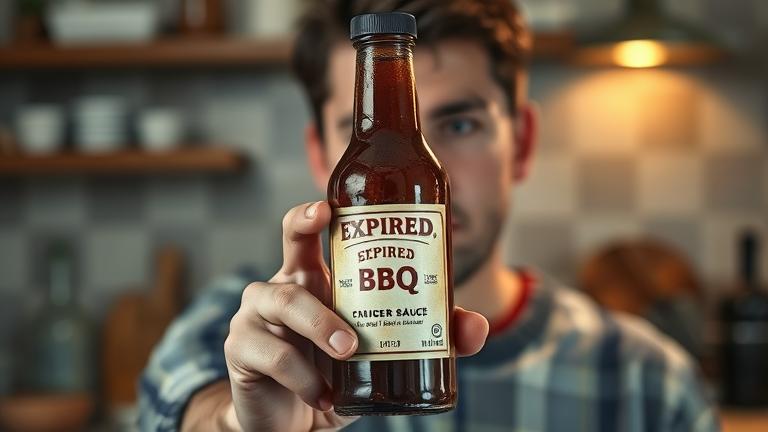
Risks of Eating Expired Condiments
Eating expired condiments might seem harmless, but it can pose some health risks that you shouldn’t ignore. Condiments like ketchup, mustard, mayonnaise, and salad dressings are often stored in the fridge or pantry for convenience. However, when they pass their expiration date, their quality and safety can decline.
One of the biggest concerns is bacteria growth. Over time, especially after the expiration date, bacteria such as Salmonella and Listeria can develop in condiments. These germs can cause food poisoning, which leads to symptoms like stomach cramps, diarrhea, nausea, and vomiting. In some cases, especially for vulnerable groups like pregnant women, young children, or people with weaker immune systems, the risks are even higher.
Another issue with expired condiments is the potential development of mold. Mold appears as fuzzy or colored spots inside bottles or jars. Consuming moldy condiments can lead to allergic reactions or respiratory problems. It is very important to inspect containers visually before use.
How to Identify Unsafe Condiments
- Check the expiration date printed on the bottle or jar. If it’s past, use extra caution.
- Look for changes in color, texture, or smell. An off smell or strange appearance often indicates spoilage.
- If the condiment is slimy, has bubbles, or shows signs of mold, it’s safest to throw it away.
Food Poisoning and Other Health Risks
Eating expired condiments that have been contaminated with bacteria or mold can lead to foodborne illnesses. Symptoms vary from mild discomfort to severe illness, depending on the bacteria present and individual health conditions.
Some expired condiments may also lose their flavor and become less effective in flavoring your dishes. This might tempt you to use more to compensate, which could increase your exposure to any harmful bacteria that might still be present.
Precautionary Tips for Safe Usage
- Always check the expiration date before using condiments.
- Store condiments properly, in the fridge if recommended or in a cool, dark place.
- When in doubt, trust your senses: if it smells off or looks strange, it’s best to discard it.
- Avoid using condiments that have been open for more than the usual shelf life, especially if they show signs of spoilage.
- Keep your condiments sealed tightly to prevent contamination.
Playing it safe with expired condiments helps prevent potential health issues. When you follow basic inspection and storage tips, you can enjoy your favorite sauces without worry, knowing you’re reducing your risk of foodborne illness.
How to Recognize Spoiled BBQ Sauce
BBQ sauce adds great flavor to grilled meats, but it’s important to know when it’s gone bad. Consuming spoiled sauce can cause food poisoning or make your meal taste off. Luckily, it’s usually easy to tell if your BBQ sauce has spoiled by paying attention to a few simple signs.
Look at the Appearance
Start by inspecting the sauce visually. Fresh BBQ sauce typically has a consistent color, often a rich brown or reddish-brown shade. If you notice any mold growing on the surface, it’s a clear sign that the sauce has gone bad. Mold often appears as fuzzy green, white, or black spots.
Also, check for any changes in texture or separation. If the sauce has become lumpy, thickened, or has separated into layers that do not easily mix back together, it may be spoiled. Sometimes, bubbles or foam can also indicate fermentation or bacterial activity, which is a warning sign to discard the sauce.
Smell the Sauce
A foul, sour, or off-putting odor is one of the strongest indicators that BBQ sauce has spoiled. Fresh sauce usually has a smoky, tangy aroma with hints of spices. If the smell is different particularly if it smells sour, rotten, or rancid don’t taste or use it.
Nose the sauce carefully, especially if it’s been stored for a while. Trust your senses; if in doubt, it’s better to be safe and throw it out rather than risk eating spoiled food.
Feel the Texture
Textures can also reveal spoilage. If the sauce feels slimy or sticky beyond its usual consistency, it might be contaminated with bacteria or mold. Fresh BBQ sauce should feel smooth or slightly thick but not slimy. If it’s sticky and you notice an unusual texture, it’s best to discard it.
Additional Tips and Considerations
- Always check the expiration date or best by date on store-bought sauces, but remember that storage conditions matter. Even within the date, if the sauce looks, smells, or feels off, don’t use it.
- If you’ve homemade BBQ sauce, be extra cautious. Homemade sauces often have no preservatives and may spoil faster. Store in the fridge and use within a week or two.
- When in doubt, throw it out. It’s better to waste a little sauce than to risk getting sick from spoiled food.
By paying attention to appearance, smell, and texture, you can easily identify spoiled BBQ sauce. Keeping your sauces stored properly in airtight containers and using them within safe time frames will ensure your meals stay delicious and safe.
Effects of Consuming Outdated Sauce
Eating expired BBQ sauce might seem harmless at first, but it can lead to some unpleasant health effects. When sauce passes its expiration date, its quality begins to decline. This can cause changes in flavor, texture, and safety. Understanding what might happen if you consume outdated sauce can help you make safer choices in the kitchen.
The most common risk of eating expired BBQ sauce is the potential for foodborne illness. Bacteria and mold can grow inside the sauce if it’s been stored for too long or if it’s been contaminated. Even if the sauce looks and smells okay, these microorganisms can still be present. Consuming them may lead to symptoms like stomach pain, nausea, or diarrhea.
Other health effects depend on how much outdated sauce has been eaten and the person’s immune system. In healthy individuals, eating a small amount of spoiled sauce might cause temporary discomfort. You may experience bloating, gas, or mild stomach cramping. These symptoms usually go away on their own, especially if you stay hydrated and rest.
However, some people are more vulnerable. Pregnant women, young children, older adults, and those with weakened immune systems should be extra cautious. For them, consuming expired food products could cause more serious issues. In rare cases, bacteria like Salmonella or mold toxins can cause more severe symptoms such as fever, vomiting, or food poisoning. If these symptoms appear after eating expired sauce, seek medical help immediately.
It’s also worth noting that the texture and flavor of BBQ sauce change as it ages. It may develop a sour smell, a strange color, or a slimy texture. These are signs the sauce has gone bad and should be discarded. Using spoiled sauce in your cooking not only risks health issues but also impacts the taste of your dish.
To stay safe, always check the label and look for signs of spoilage before using any sauce past its expiration date. Store bottles tightly sealed in a cool, dark place to extend their shelf life. Keep in mind that once opened, BBQ sauce typically lasts around six months in the fridge, but this can vary by brand and ingredients.
- When in doubt, throw it out. It’s better to discard questionable sauce than risk your health.
- When consuming sauces, trust your senses. Sour, moldy, or sticky textures are clear signs to avoid use.
- Remember that proper storage can help prevent spoilage and keep your sauces fresh longer.
By being attentive to the expiration dates and signs of spoilage, you can enjoy your BBQ sauce safely and prevent potential health issues. Better safe than sorry your stomach will thank you!
Safe Storage Tips for BBQ Sauce
Proper storage is key to keeping your BBQ sauce fresh, tasty, and safe to enjoy. Whether you make your own or buy it from the store, knowing how to store BBQ sauce properly can extend its shelf life and prevent spoilage. In this section, you’ll find simple tips on ideal storage temperatures, choosing the right containers, and how to handle your sauce safely.
Choose the Right Container
Store your BBQ sauce in airtight, clean containers. Glass jars with tight-fitting lids or food-grade plastic bottles work well. If you’re pouring homemade sauce into a container, make sure it’s sanitized first. Avoid using containers that previously stored other foods, as they can introduce bacteria or flavors. For store-bought sauce, always keep the original jar or bottle, as it’s designed for safe storage.
Optimal Temperature and Environment
The best place to store your BBQ sauce depends on whether it’s opened or unopened. Unopened store-bought sauce can be kept in a cool, dark pantry at room temperature until the expiration date. Once opened, however, refrigeration is essential to slow down bacteria growth and preserve flavor.
- Refrigerate opened sauce: After opening, always store BBQ sauce in the fridge at or below 40°F (4°C). This helps prevent spoilage and keeps your sauce tasting fresh longer.
- Avoid temperature fluctuations: Keep your sauce away from warm spots like near the stove or oven, as constant temperature changes can spoil it faster.
- Freezing is optional: If you have a large batch or want to store sauce for a long time, you can freeze it. Use a freezer-safe container, leave some space for expansion, and label it with the date.
Watch Out for Signs of Spoilage
Even with proper storage, it’s important to check your BBQ sauce regularly. Look for any changes in color, texture, or smell. If you see mold, or if the sauce has developed a strange or sour odor, it’s best to discard it. An off-flavor or slimy texture also indicates spoilage. Always trust your senses and when in doubt, throw it out to avoid any health risks.
Storage Duration Guidelines
| Type of BBQ Sauce | Unopened | Opened |
|---|---|---|
| Commercial Bottle | Keep until expiration date, store in pantry | Up to 4-6 months in fridge |
| Homemade | Best used within 2 weeks if refrigerated | Use within 2 weeks for best quality |
| Frozen | Not recommended for long-term storage | Up to 3 months in freezer |
By following these simple storage tips, you can enjoy your BBQ sauce safely and keep its flavor fresh longer. Always label homemade sauces with the date you made them, and remember when in doubt, discard. Enjoy your grilling season with confidence and delicious, safe BBQ sauce every time!
What to Do if You Ingested Expired Sauce
If you accidentally eat expired BBQ sauce, don’t panic. In most cases, consuming sauce past its expiration date might not cause serious harm, but it’s important to know what steps to take to stay safe and healthy. Expired sauces can sometimes develop bacteria or mold, especially if they’ve been stored improperly or for a very long time.
First, assess the situation. Check how much sauce you ate and when you realized it was expired. The type of sauce matters too. BBQ sauce usually contains sugar, vinegar, and preservatives that help keep it safe longer, but over time, some changes or spoilage can still occur. If the sauce shows signs of spoilage like an off smell, mold, or a strange texture it’s best to discard any remaining sauce.
Watch for Symptoms
After ingesting expired sauce, you might experience mild symptoms such as stomach discomfort, nausea, or diarrhea. These are common signs of food irritation or mild food poisoning. Keep in mind, everyone’s sensitivity varies. Some people might not have any symptoms at all, especially if the sauce was only slightly past its expiration date.
When to Seek Medical Attention
If you experience more serious symptoms, it’s important to seek medical help promptly. Contact a healthcare professional if you notice:
- Severe vomiting or diarrhea that lasts more than a day
- Signs of dehydration, like extreme thirst, dizziness, or dark urine
- High fever over 101°F (38.5°C)
- Blood in your stool or vomit
- Persistent abdominal pain or severe cramping
In these cases, medical specialists can perform tests to determine if bacteria like Salmonella or other pathogens are involved, and provide appropriate treatment.
Managing Minor Symptoms at Home
If your symptoms are mild, there are several simple steps you can take to feel better fast. Rest is key. Drink plenty of fluids such as water, oral rehydration solutions, or electrolyte drinks to stay hydrated. Eat light foods like toast, bananas, or rice until your stomach feels better.
Over-the-counter medications like anti-diarrheal or anti-nausea medicines can help ease discomfort. However, consult a pharmacist or doctor before use, especially if you’re unsure about symptoms or if you have underlying health conditions.
Preventing Future Incidents
- Always check the expiration date before using any sauce or condiment.
- Store sauces in a cool, dry place and reseal them tightly after use.
- Pay attention to physical signs of spoilage, like mold, a sour smell, or changes in texture or color.
- If in doubt, it’s safer to discard the sauce rather than risk foodborne illness.
Remember, when in doubt about whether food is safe, it’s better to be cautious. Ensuring the safety of your meals helps keep everyone in your household healthy and happy.