
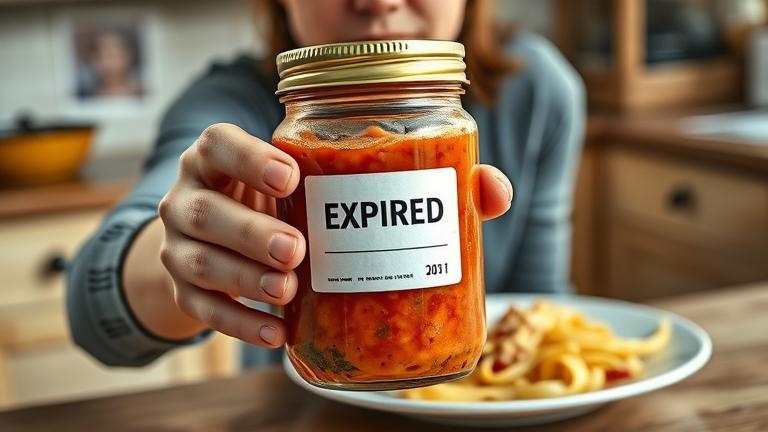
What Are the Risks of Eating Expired Pasta Sauce?
Eating pasta sauce past its expiration date might seem harmless, but it can come with some health risks. The expiration date is there to indicate when the product is at its safest and best quality. Once that date has passed, the sauce may no longer be safe to eat, especially if it shows signs of spoilage.
The main concern with consuming expired pasta sauce is the growth of bacteria, mold, or yeast. These microorganisms thrive in the moist, slightly acidic environment of the sauce. While some bacteria are harmless, others can cause food poisoning or stomach upset. Consuming spoiled sauce might lead to symptoms like nausea, vomiting, diarrhea, or stomach cramps.
Potential Health Risks
- Food poisoning: Bacteria such as Salmonella, Listeria, or Clostridium can grow in spoiled sauce. These can cause serious illness, especially in young children, pregnant women, or those with weakened immune systems.
- Mold growth: If you see mold on the surface of your pasta sauce, it’s a clear sign it’s gone bad. Eating mold can cause allergic reactions or respiratory issues in some people.
- Off flavors and smells: Even if there’s no visible mold, a sour, rancid, or fermented smell indicates spoilage. Consuming sauce with these odors may upset your stomach or cause discomfort.
When Is It Too Dangerous to Eat?
If your pasta sauce has been open for a long time past its expiration date, it’s best to check for signs of spoilage before eating. These signs include an unusual smell, visible mold, changes in texture, or bubbling. If you notice any of these, it’s safest to discard the sauce.
For unopened sauce, check the can or jar. If the container is swollen, leaking, or rusted, these are signs it’s unsafe. Don’t taste or smell the sauce if you suspect it’s gone bad. Throw it out to avoid any health risks.
Practical Tips to Stay Safe
- Read labels carefully: Pay attention to the expiration date and storage recommendations.
- Keep it refrigerated: Once opened, store pasta sauce in the fridge and use within the recommended time usually about 5 to 7 days.
- Smell and inspect: Always check for unpleasant odors, mold, or changes in appearance before using leftover sauce.
- When in doubt, throw it out: It’s better to be safe than risk food poisoning.
In summary, eating expired pasta sauce can sometimes be safe, but it also poses health risks if the sauce is spoiled. Always use your senses and judgment, and err on the side of caution. Your health is worth it!
How to Spot Spoiled Pasta Sauce Easily
Knowing how to tell when pasta sauce has gone bad can save you from unpleasant surprises and potential food poisoning. Spoiled sauce often develops visual, smell, and texture changes that are easy to recognize once you know what to look for. Being vigilant helps ensure your meals stay safe and delicious.
First, check the appearance of the sauce. Fresh pasta sauce should have a vibrant color, usually bright red or a rich, appetizing hue depending on the ingredients. If you notice any mold growing on the surface, it’s a clear sign that the sauce is no longer safe to eat. Mold appears as fuzzy spots in colors like green, white, or black. Even if you scrape off the mold, the sauce underneath might still harbor bacteria.
Next, examine the surface of the sauce. If it has developed a slimy or sticky layer, it’s a warning sign of bacterial growth. This slimy film can feel unusual to the touch and may be accompanied by bubbles or fizzing in the sauce, indicating fermentation. If the sauce appears overly watery or separated into liquid and solid parts, it may also be past its prime, especially if it smells off.
Smell is a very reliable indicator. Fresh pasta sauce has a rich, inviting aroma of tomatoes, herbs, and spices. If you detect a sour, yeasty, or otherwise unpleasant smell, it’s likely spoiled. A sour or off odor usually means bacteria or mold have taken hold. Trust your nose if it smells bad, do not taste it to check. Consuming spoiled sauce can cause stomach upset or food poisoning.
Texture can also reveal spoilage. Fresh sauce should be smooth or slightly chunky, depending on the ingredients. When the sauce begins to spoil, it may become excessively thick or slimy, or develop an unusual stringy or gooey texture. If you see a lot of separation, with liquid pooling and the solids looking strange, it’s best to discard it.
In addition to visual cues, always consider how long the sauce has been stored. Store unopened jarred sauces in a cool, dark place, and once opened, keep the sauce refrigerated. Most homemade sauces last about 3 to 5 days in the fridge. Commercial sauces often come with a use-by date check it before using.
To keep your sauces fresh longer, store leftover sauce in airtight containers and consume within the recommended time. If you’re unsure about the sauce’s freshness, it’s best to err on the side of caution and throw it out. Remember, it’s better to waste a little sauce than to risk foodborne illness.
- Always smell the sauce before using it.
- Look for mold or slimy textures.
- Check storage times and dates carefully.
- Trust your senses when in doubt, throw it out.
Symptoms to Watch After Eating Old Pasta Sauce
If you’ve eaten pasta sauce that might be past its prime, it’s helpful to know what symptoms to look out for. While a small amount of spoiled sauce doesn’t always cause problems, certain signs can indicate food poisoning or digestive upset. Recognizing these symptoms early can help you take the right steps to feel better fast.
One of the most common signs of consuming old or spoiled pasta sauce is stomach discomfort. You might experience feelings of nausea, which can range from mild queasiness to outright vomiting. Some people also report stomach cramps or a dull ache that lasts for a while after eating. These symptoms often appear within a few hours and are your body’s way of signaling something isn’t right.
Another frequent issue is diarrhea. When food is spoiled, bacteria such as Salmonella, E. coli, or Listeria could be present. These bacteria irritate your digestive system, leading to loose, watery stools. Diarrhea can sometimes be accompanied by bloating, gas, or a general feeling of being unwell. Keep in mind that severe or prolonged diarrhea can cause dehydration, so drinking plenty of water is important.
Fever is also a common symptom if food poisoning develops. You might notice a mild to high fever, which indicates your immune system is fighting off bacteria or toxins from the spoiled sauce. Along with fever, you could feel chills or weakness. If these symptoms happen, it’s a clear sign you should seek medical advice, especially if they last more than a day or two.
Some people may notice additional signs like vomiting, which can lead to dehydration if repeated or severe. Occasionally, you may feel dizzy or lightheaded, especially if dehydration worsens. Blood in your stool or persistent vomiting are signs that you need urgent medical attention. These symptoms could point to serious infections or reactions that require professional care.
It’s also good to remember that some symptoms might not appear immediately. Food poisoning can sometimes develop 6 to 48 hours after eating spoiled food. If you start feeling unwell after eating old pasta sauce, keeping track of what you experience helps if you need to see a doctor later.
- If symptoms are mild, rest and stay hydrated. Over-the-counter remedies like anti-diarrheal medication or anti-nausea medicines can help, but use them cautiously.
- Watch for symptoms that worsen or last more than a couple of days. Persistent fever, severe dehydration, or bloody stool require medical attention.
- If you suspect food poisoning, especially from bacteria like Salmonella or Listeria, contact your healthcare provider for proper testing and treatment.
In summary, stomach pain, diarrhea, nausea, fever, and vomiting are common symptoms after eating old or spoiled pasta sauce. Staying alert to these signs and acting early can make a difference in your recovery. When in doubt, it’s always safest to consult a doctor, especially if symptoms become severe or don’t improve quickly.
Is It Safe to Consume Slightly Expired Sauce?
If you find some pasta sauce in your fridge that is only a few days past its expiration date, you might wonder if it’s still safe to eat. Knowing when a sauce is safe to enjoy and when to throw it away can save you from illness. While expiration dates are helpful guidelines, they are not the final rule for safety. Often, a sauce that is slightly expired can still be okay to consume, but you’ll need to check a few things first.
First, understand the difference between the “use by” and “sell by” dates. A “use by” date focuses on freshness and quality, while “sell by” dates tell stores how long to display an item. For canned or jarred sauces, the date isn’t always about safety but about flavor and texture. It’s good to be cautious, especially with perishable ingredients. If your sauce is only a few days past the date, and it has been stored properly in the fridge, it might still be safe.
How to Check If the Sauce Is Still Good
Before tasting or cooking with slightly expired sauce, examine it carefully:
- Look for mold or unusual discoloration: Any mold, fuzzy spots, or significant color changes mean you should toss the sauce.
- Smell the sauce: If it has a sour, off, or rancid odor, do not use it.
- Check the texture: If it’s slimy or has separated in an unusual way, discard it.
Sometimes, the expiration date is just a guideline. If the sauce looks, smells, and feels normal, it’s likely safe to use. However, if you are in doubt or notice any signs of spoilage, it’s better to be safe and throw it away.
When It Might Still Be Safe
If the sauce is only slightly past the expiration date, has been stored in the refrigerator, and shows no signs of spoilage, it’s probably okay to use. For canned or jarred sauces, a good rule of thumb is:
| Storage Time After Expiry | Safety Advice |
|---|---|
| Up to 1 week past expiration | If no signs of spoilage, it’s usually safe to consume, especially if stored properly. |
| Between 1 week and 1 month | If it looks, smells, and tastes normal, you can consider using it, but check carefully. |
| More than 1 month past | Better to discard, as safety becomes uncertain. |
Always trust your senses more than the date. Food safety depends on how it has been stored and its current condition.
Common Mistakes to Avoid
- Using sauce that has visible mold or foul smell.
- Ignoring signs of spoilage just because it’s only a few days past expiration.
- Assuming all sauces are safe without inspecting them thoroughly.
In summary, slightly expired sauce can often still be safe to eat if it passes your sensory checks. Keep an eye on storage times and always prioritize your health. When in doubt, it’s safer to discard the sauce and enjoy fresh, safe food instead.
Best Storage Tips to Keep Pasta Sauce Fresh
Pasta sauce is a delicious addition to many meals, but it’s important to store it properly so it stays fresh and safe to eat. Whether you have homemade sauce or leftovers from your favorite jar, knowing the right storage methods can make a big difference.
Proper storage not only keeps your sauce tasting great but also helps prevent spoilage and food waste. Let’s explore some practical tips to help you keep your pasta sauce at its best for as long as possible.
Choose the Right Containers
The first step to good storage is selecting the proper containers. Use airtight containers made of glass or BPA-free plastic. These materials help prevent air from getting in, which can cause the sauce to spoil more quickly.
Reusable containers with tight-fitting lids are eco-friendly and economical. If you’re transferring homemade sauce from a pot, let it cool slightly before pouring it into containers. Leave some space at the top to accommodate expansion during freezing, if you decide to store it long-term.
Refrigeration Tips
Store your pasta sauce in the refrigerator within two hours of cooking or opening a jar. This keeps bacteria from growing and helps maintain flavor and safety. The ideal temperature for storing sauce is below 40 degrees Fahrenheit (4 degrees Celsius).
Label your containers with the date you stored the sauce. This helps you keep track of how long it’s been in the fridge. Typically, homemade or opened store-bought pasta sauce can last about 3 to 4 days in the fridge. If you don’t plan to use it in that timeframe, consider freezing it.
Freezing for Longer Storage
If you want to extend the shelf life, freezing is the best option. Portion your sauce into smaller containers or ice cube trays for easy defrosting. Once frozen, transfer the sauce into freezer-safe bags or containers and remove excess air to prevent freezer burn.
Frozen pasta sauce can last up to 3 months without losing flavor and quality. Thaw frozen sauce in the refrigerator overnight or defrost in the microwave. Never leave sauce out at room temperature for too long, as this can promote bacteria growth.
Safety and Quality Tips
- Avoid reusing sauce containers that previously held raw meat or other raw proteins to prevent cross-contamination.
- Check for signs of spoilage before using stored sauce: mold, an off smell, or a change in color. If any of these are present, discard the sauce.
- Do not store hot sauce directly in the fridge; always let it cool to room temperature first. Hot sauce stored directly can raise fridge temperature and impact other stored foods.
By choosing the right containers, practicing proper refrigeration and freezing techniques, and staying attentive to storage times, you can enjoy fresh, flavorful pasta sauce anytime. Proper storage not only preserves the taste but also protects your health and reduces waste.
How to Prevent Food Waste of Pasta Sauce
Having leftover pasta sauce can be frustrating, especially if it ends up thrown away. Luckily, you can prevent waste by managing your sauce supply wisely. Proper portioning and smart storage help you enjoy your sauce before it goes bad. Today, let’s explore some easy tips to keep your pasta sauce fresh and reduce unnecessary waste.
One of the best ways to avoid waste is to portion your pasta sauce when you make or buy it. Instead of opening a large jar and using only a little at a time, consider dividing the sauce into smaller containers. You can use ice cube trays, muffin tins, or small airtight containers. Once frozen, you can pop out just the amount you need for each meal. This keeps the rest fresh and ready for later use, saving you from tossing unused sauce.
Another smart tip is to always label your containers. Write the date you stored the sauce before putting it in the freezer. This way, you’ll know how long it has been stored and can use it before it spoils. Generally, homemade or opened store-bought pasta sauce stays good in the freezer for about 3 to 4 months.
When using sauce, try to plan your meals around what you have. For example, if you have a leftover half jar, think of recipes that can incorporate it. Sauces are versatile and work well with different dishes like casseroles, pizza, or even as a base for soups. Using up what’s already open prevents it from lingering too long in the fridge, where it could turn bad.
Proper storage in the fridge is also key to reducing waste. Keep your pasta sauce in an airtight container. This prevents it from absorbing other fridge odors and slows down spoilage. Once opened, aim to finish the sauce within 5 to 7 days. If you notice any mold or a funny smell, it’s safest to discard it.
Be mindful of small leftover amounts. Sometimes, a little more sauce or leftover from a previous meal gets forgotten at the back of the fridge. Check regularly and incorporate these leftovers into your next dish. For example, mix leftover sauce with scrambled eggs or use it as a dip, instead of letting it go to waste.
If you buy pasta sauce in bulk or large bottles, consider sharing with friends or family to reduce excess. You can also split large containers into smaller portions early on. This way, you’re less likely to open a big jar and forget about it, leading to spoilage.
Finally, keep an eye on expiration dates when purchasing pre-made sauces. If you plan ahead and store them properly, you can extend their shelf life. Always check for signs of spoilage before using leftover sauce discoloration, mold, or sour smells are clues it’s time to toss.
- Use smaller containers for freezing leftover sauce.
- Label your containers with date info.
- Plan meals to use up open sauces quickly.
- Store in airtight containers in the fridge.
- Incorporate small leftovers into new dishes.
By following these simple tips, you can enjoy your pasta sauce longer and keep your kitchen waste-free. Proper portioning, storage, and meal planning make a big difference in preventing food waste and saving money in the long run.
What to Do If You Accidentally Eat Expired Sauce?
If you accidentally eat expired pasta or other sauce, don’t panic. While it’s generally best to avoid consuming foods past their expiration date, sometimes it happens. Knowing what steps to take can help you stay safe and comfortable.
The first thing to do is stay calm. In most cases, eating expired sauce won’t cause serious health problems, especially if the sauce was stored properly and showed no signs of spoilage. But it’s important to pay attention to how you feel afterward and know when to seek help.
Watch for Symptoms
After eating expired sauce, monitor yourself for any unusual symptoms. Common signs of food-related issues include:
- Stomach cramps
- Nausea or vomiting
- Diarrhea
- Feeling weak or dizzy
- Signs of food poisoning such as fever or chills
If you experience severe symptoms or if they last for a few hours, seek medical attention promptly. Usually, mild discomfort will pass on its own or with over-the-counter remedies.
What You Can Do at Home
If you feel okay or only have mild symptoms:
- Drink plenty of water. Staying hydrated helps your body recover and reduces the risk of dehydration from diarrhea or vomiting.
- Eat light foods. Stick to bland options like toast, rice, bananas, or applesauce until your stomach settles.
- Rest. Give your body time to heal and recover from any minor upset.
- Consider taking over-the-counter medications. For example, anti-diarrheal medicines can help if needed, but consult a pharmacist or healthcare provider first.
When to See a Doctor
Seek medical advice if:
- You experience severe abdominal pain
- You vomit repeatedly or cannot keep fluids down
- You notice blood in your stool or vomit
- Fever develops and is higher than 101°F (38.5°C)
- You or someone with you has signs of dehydration, such as dry mouth, dizziness, or little urination
Some foods, especially sauces with dairy, meat, or other perishable ingredients, are more likely to cause foodborne illnesses when expired. If you are unsure, it’s better to be cautious and consult a healthcare professional.
Prevention Tips
- Always check the expiration date before opening or eating sauce.
- Inspect the sauce for signs of spoilage, such as mold, off smell, or unusual texture.
- Store sauces in a cool, dry place and refrigerate after opening if recommended.
- Use sauces before their best-by date for optimal quality and safety.
Remember, while eating expired sauce isn’t usually dangerous, listening to your body is key. If anything feels off, don’t hesitate to get professional medical advice. Better safe than sorry!