
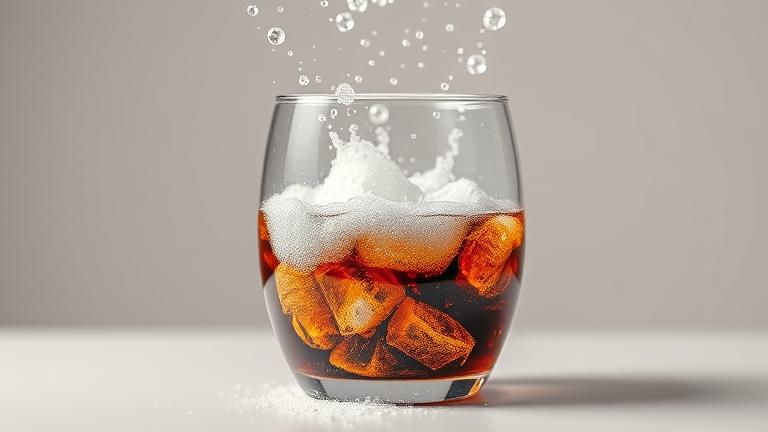
Introduction: Why Mix Coke and Baking Soda?
Many people become curious about what happens when they mix Coke and baking soda. Both ingredients are common in households: Coke as a popular soda and baking soda as a versatile pantry staple. When combined, they create an interesting reaction that can surprise and intrigue you.
This mixture is often used in science experiments, cleaning, and even household tricks. Understanding why people mix Coke and baking soda helps you appreciate the fun side of simple ingredients. It also reveals some practical uses you might not have considered.
The main reason to explore this combination is the reaction between the ingredients. Coke contains carbon dioxide gas dissolved under pressure, which gives it that fizzy feel. Baking soda, on the other hand, is a base known for its bubbling reaction when it encounters acids. Mixing these two creates a fizzy, bubbling effect that’s exciting to watch.
People might be curious about what happens when they combine these substances. Some wonder if it’s dangerous, while others see it as a way to learn about chemical reactions in a simple, hands-on manner. It’s important to understand that although the reaction is safe to observe, it’s best to do so carefully and with proper knowledge.
Beyond curiosity, mixing Coke and baking soda has practical benefits. It can help with cleaning stubborn stains or unclogging drains. The fizzing action can loosen dirt or blockages, making household chores easier. Many DIY cleaning recipes include these ingredients because they work well together.
In essence, the interest in mixing Coke and baking soda comes from a mix of curiosity and usefulness. It’s a simple experiment that shows how everyday items can produce surprising results. As we move forward, you’ll learn what actually happens during this reaction and how you can safely try it yourself.
The Chemistry Behind the Reaction
When you mix coke with baking soda, a fun and fizzy reaction happens that is rooted in chemistry. Understanding what occurs on a molecular level can help you see why this mixture produces bubbles and foam. Let’s explore the science behind this bubbling party.
First, it’s important to know the main ingredients involved. Coke contains carbonic acid, which is formed when carbon dioxide gas dissolves in water. Baking soda, also called sodium bicarbonate, is a simple salt that acts as a base. When these two ingredients meet, a chemical reaction takes place.
The key reaction is between the baking soda’s sodium bicarbonate and the carbonic acid from the coke. When combined, they react to produce carbon dioxide gas, water, and a new compound called sodium citrate. The reaction looks like this in simplified form:
| Reactants | Products |
|---|---|
| Sodium bicarbonate (NaHCO3) + Carbonic acid (H2CO3) | Sodium citrate + Water + Carbon dioxide (CO2) |
The key to the fizzy effect is the release of carbon dioxide gas. When baking soda meets the acid in coke, the gas is suddenly freed. These tiny gas bubbles form rapidly, creating the foam and bubbling you see. This reaction is similar to what happens when you open a soda bottle or drop antacid tablets into water.
On a closer look, the carbon dioxide molecules escape from the liquid as bubbles. These bubbles rise to the surface and burst, which produces the fizzing sound and the foaming action. The more baking soda you add, the more carbon dioxide is generated, up to a point where the reaction stops once one of the ingredients is used up.
Now, a few tips and common mistakes to keep in mind. If you add too much baking soda, the mixture may become overly foamy or taste bitter because excess baking soda remains unreacted. This can be important if you plan to use the mixture for any purpose beyond experimentation.
- Remember, this reaction is quick. Mix your ingredients quickly to see the full fizzing effect.
- Temperature matters—a warmer liquid speeds up the reaction, making it more vigorous.
- Be cautious about overflowing foamy mixtures, especially in small containers. It can get messy fast.
Understanding the chemistry behind the reaction not only makes your experiment more interesting but also helps you control the process better. Whether you’re creating a science project or just having fun, knowing what’s happening at the molecular level adds an extra layer of appreciation to your bubbling concoction.
What You Will Observe During the Mix
When you combine coke and baking soda, you’ll see some exciting and noticeable changes right away. These reactions are fun to watch and also help you understand what’s happening on a chemical level.
Expect to see bubbling and fizzing immediately after mixing the two ingredients. This is a sign that a reaction is taking place. The bubbles are tiny gas particles called carbon dioxide, which are released during the process. It’s similar to what happens when you open a shaken soda bottle—the fizz and bubbles are visible signs of gas escaping.
As soon as the baking soda contacts the coke, you will notice the mixture begins to fizz and bubble vigorously. Sometimes, the reaction happens very quickly, causing a lively explosion of foam. Depending on the amount of each ingredient used, the reaction can range from gentle to quite vigorous. It’s always a good idea to perform this experiment in a container that can handle overflowing foam, just in case.
You may also see some color change or the appearance of foam that looks like froth. This foam is a combination of carbon dioxide gas, water, and other ingredients in the coke. Often, the reaction will cause the mixture to rise or puff up slightly, showing how gases can create volume and movement in liquids.
Another observable effect is the slowing down of bubbling over time. The most vigorous bubbling occurs immediately after mixing. As the reaction uses up the baking soda and the carbon dioxide escapes, the fizzing gradually slows and stops. This indicates that most of the chemical reaction has finished.
Be aware that the reaction works best in cool or room temperature conditions. If your coke is very cold or very warm, it may change how quickly or vigorously the bubbling happens. For example, cold coke can slow the reaction, while warmer coke might speed it up.
If you want to observe these phenomena closely, try to keep your setup in a clear container where you can see the reaction from all sides. You can even try adding small amounts of baking soda gradually to see how the bubbling intensifies.
Remember, safety first: the fizzing can sometimes overflow if you add too much baking soda at once. Keep a paper towel or cloth handy to wipe up any spills.
Overall, watching the bubbling and fizzing is a fun way to see a simple chemical reaction in action. It’s a great experiment to understand gas release and reactions between acids and bases right in your own kitchen.
Common Uses and Experiments
Carbonated drinks like coke and household staples such as baking soda are surprisingly versatile in the kitchen and beyond. They are often used in everyday recipes, cleaning, and even fun science experiments. Knowing how to use them properly can make your tasks easier and add some fun to your routine.
Practical Uses of Coke
Coke is famous for its ability to cut through grease and clean stubborn stains. It’s often used to clean toilets, remove rust, or brighten jewelry. For example, pouring coke into the toilet bowl and letting it sit for an hour can help loosen dirt and mineral buildup. Just remember to flush afterward.
It also works well in marinating meats because the acidity helps tenderize tougher cuts. Some people even use coke as a slow cooker ingredient to add flavor and moisture to dishes like ribs or pulled pork. Just be cautious with the amount, as too much can make your dish overly sweet or syrupy.
In addition to cleaning and cooking, coke can be a fun base for science experiments. One popular activity involves dropping a penny into coke to observe if it gets cleaner over time. It’s a simple way to see how the acidic nature of coke interacts with metal surfaces.
Practical Uses of Baking Soda
Baking soda is a household hero known for its versatility. It’s widely used in baking to help dough rise, but it also plays a big role in cleaning and odor control. To freshen up your fridge or trash bin, sprinkle baking soda inside and leave it for a few hours or overnight before vacuuming or wiping away.
In the kitchen, baking soda can soften beans and vegetables or neutralize acidity in recipes. For instance, adding a pinch of baking soda to tomato sauce reduces acidity and improves flavor. It’s also great for making quick, fluffy pancakes or muffins.
In science experiments, baking soda reacts with acids to produce carbon dioxide bubbles. A classic activity involves mixing baking soda with vinegar to create a fizzing eruption, mimicking a volcanic eruption. This experiment helps children learn about chemical reactions in a fun, visual way.
Popular Experiments with Coke and Baking Soda
Here are some easy experiments to try at home:
- Coke and Eggshell Test: Cover an eggshell with coke and observe what happens after several hours or overnight. The acid in coke dissolves the calcium carbonate in the shell, making it softer or even removing parts of the shell. It demonstrates acid’s effect on calcium compounds.
- Baking Soda and Vinegar Volcano: Combine a few tablespoons of baking soda with vinegar in a container. Watch the foam and bubbling eruptions, which resemble a volcanic explosion. This is a favorite for kids learning about chemical reactions.
- Cleaning Coins with Coke: Soak dirty coins in coke for a few minutes to see how it brightens their appearance. Rinse thoroughly afterward to remove any sticky residue.
Remember, safety is key during experiments. Always supervise children, work in a well-ventilated area, and wash hands afterward. Both coke and baking soda are generally safe but should be used with care to avoid spills or accidental ingestion in large quantities.
Tips for Effective Use
- Use coke in small amounts for cleaning to avoid sticky residues.
- Store baking soda in an airtight container to keep it fresh and effective.
- Experiment in a safe space, especially when working with household chemicals or doing science projects.
Safety Tips and Precautions
When working with coke and baking soda mixtures, it is essential to keep safety in mind. These common household items can create fun chemical reactions, but handling them improperly can lead to spills, injuries, or unexpected results. Following some simple safety guidelines ensures that your experiments stay fun and safe for everyone involved.
First, always work in a well-ventilated area. Gas release from reactions might cause a slight buildup of carbon dioxide, especially if you are doing multiple experiments. Good airflow helps prevent any discomfort or choking sensation. It’s also a good idea to wear safety goggles or glasses. Although reactions are usually safe, splash or unexpected fizzing can sometimes occur. Protecting your eyes keeps you safe from any splashes or accidental spray.
Next, use appropriate containers. Glass or plastic cups designed for mixing are ideal. Avoid using containers that can easily break or are not sturdy. Place your mixture on a stable surface to prevent spills, and do not leave experiments unattended while they are active. If you’re doing a larger project or working with children, supervise closely to prevent accidental ingestion or misuse of materials.
Handling and Storage
Keep the baking soda and coke out of reach of children and pets. These are household items that might seem harmless but can cause problems if ingested in large amounts or if misused. Store baking soda in a cool, dry place in its original container with a tight-fitting lid. Coke bottles should be kept upright to avoid leaks. After use, clean your mixing area thoroughly to remove any residue that might cause slips or contaminate other household items.
Precautions during Experiments
- Always add baking soda to coke, not the other way around, to control the initial reaction better.
- Start with small quantities to see how the mixture reacts before scaling up the experiment.
- Avoid inhaling fumes directly. Though generally safe, the fizzing can produce a small amount of gas or odor that might cause coughing or irritation.
- If you notice any skin irritation or if the mixture splashes onto your skin, wash the area immediately with water.
- Never consume any of the mixture. These reactions are for observation and fun, not for eating or drinking.
What to Do in Case of an Accident
If the mixture spills, clean it up promptly. Use a paper towel or cloth to absorb any liquids, and wash the area with soap and water. If a larger spill occurs, especially on a surface like carpet or upholstery, try to dry it quickly and ventilate the room. In case of contact with eyes, rinse immediately with plenty of water and seek medical advice if necessary. Remember, safety always comes first, so don’t hesitate to ask a responsible adult for help if needed.
By following these safety tips, you can enjoy experimenting with coke and baking soda while keeping everyone safe. Have fun discovering the fizzy reactions and learning how these simple ingredients can create exciting effects. Just stay cautious, be prepared, and keep safety gear nearby.
Myths and Facts About the Mixture
Many people have heard stories or rumors about mixing coke and baking soda, but not all of them are true. Sometimes, these myths can lead to confusion or even unsafe practices. In this section, we will clear up some common misconceptions and explain the real facts using simple science.
First, let’s talk about what happens when you mix coke and baking soda. Coke is a soft drink containing carbon dioxide gas, which makes it fizzy. Baking soda, also known as sodium bicarbonate, is a basic compound that reacts with acids. When combined, they produce a chemical reaction that releases carbon dioxide gas, creating bubbles. But, does this reaction have magical or harmful effects? Not really. It’s a common science experiment, and it’s perfectly safe if done correctly.
Myth 1: Mixing coke and baking soda creates a powerful cleaning solution
Some believe this mixture can clean tubs, toilets, or even remove rust. While it’s true that both coke and baking soda are used in cleaning, combining them does not significantly boost their cleaning power. Coke contains acids that can help break down some stains, but it also has sugar and dyes that can leave residues. Baking soda is mildly abrasive and good for deodorizing. When mixed, they can fizz up nicely but don’t necessarily make a cleaning miracle.
For cleaning purposes, it’s better to use each separately or choose specific cleaners designed for the task. Mixing coke and baking soda is more of a fun science experiment than a cleaning hack.
Myth 2: The mixture can dissolve metals or cause explosions
This is a common exaggeration. While the bubbling reaction releases carbon dioxide gas, it is not enough to dissolve metals or cause explosions. If you see videos claiming fireworks or explosions from this mixture, they often involve dangerous setups or other chemicals.
Always remember: never mix chemicals or household products with the intention of causing explosions or damage. Stick to safe, tested recipes and experiments.
Myth 3: Drinking coke and baking soda together is good for digestion
This is a false belief and can actually be harmful. Baking soda is sometimes used as an antacid, but drinking a mixture of coke and baking soda can upset your stomach or cause other health issues. The acid in coke combined with baking soda can create gas or bloating and may irritate your stomach lining.
If you have digestion issues, always consult a healthcare professional before trying home remedies involving baking soda or any other substance.
Fact 1: The fizz is caused by a chemical reaction
When you mix coke and baking soda, the acid in coke reacts with the bicarbonate in baking soda. This reaction produces carbon dioxide gas, which forms bubbles and causes that fizzy effect. It’s a simple acid-base reaction:
| Ingredient | Component | Reaction |
|---|---|---|
| Coke | Contains phosphoric acid and carbonic acid | Reacts with baking soda to release CO2 |
| Baking soda | Sodium bicarbonate | Acts as a base and reacts with acids |
Fact 2: It’s a safe, supervised science activity
Mixing coke and baking soda can be a fun, safe science experiment for kids and adults alike. It helps illustrate basic chemistry principles like acid-base reactions.
Always do it in a well-ventilated space, use small amounts, and avoid ingestion unless explicitly instructed by a health professional. Avoid inhaling the fumes or getting the mixture in your eyes.
Tips for safe experimentation:
- Use small quantities to prevent messes or accidents.
- Wear protective eyewear if doing an active demonstration.
- Clean up quickly to avoid sticky residues, especially since coke contains sugar.
Understanding the facts about mixing coke and baking soda helps you enjoy safe experiments and avoid falling for exaggerated claims. Remember, science is fun when approached responsibly!
Fun Experiments to Try at Home
If you’re curious about the exciting reactions between Coke and baking soda, you’ll love these simple experiments you can do right in your kitchen. These activities are safe, fun, and a great way to learn about how certain chemicals interact. Plus, they’re perfect for sparking curiosity in kids and adults alike.
Why Do Coke and Baking Soda React?
When Coke and baking soda come into contact, a fizzy explosion happens. This is because Coke contains carbon dioxide gas trapped under pressure, and baking soda (sodium bicarbonate) is a base that reacts with acids. Combining them releases more carbon dioxide, creating bubbles and foam. It’s a simple, safe way to see chemistry in action.
What You Need
- Coke (any kind will work)
- Baking soda
- Clear plastic bottle or glass
- Spoon for mixing
- Optional: food coloring for fun effects
Step-by-Step Fun Experiment
- Pour about half a cup of Coke into a clear bottle or glass.
- If you want colorful bubbles, add a few drops of food coloring and stir gently.
- Using a spoon, add a tablespoon of baking soda into the Coke quickly.
- Step back and watch as a lot of bubbling and fizzing occurs!
This reaction produces a burst of foam that overflows, mimicking a mini eruption. It’s fascinating because you can change the amount of baking soda to see how it affects the reaction. Want an even bigger splash? Use more baking soda or pour the Coke into a larger container.
Safety Tips
- This experiment is safe but avoid swallowing the foam.
- Wear glasses if you want to protect your eyes from splashes.
- Clean up spills quickly to prevent sticky messes.
Extra Ideas to Make It More Fun
- Repeat the experiment with different sodas to see which produces the most fizz.
- Try adding a few drops of vegetable oil for colorful layers in your foam.
- Predict the amount of foam you will get before adding baking soda and see if your prediction is right.
How It Works
The reaction between baking soda and the acid in Coke releases carbon dioxide gas, which forms bubbles and creates foam. The more baking soda you add, the more gas is produced, making the eruption bigger. This reaction is a great visual to understand chemical reactions and gas release.
Remember, these experiments are not only fun but also teach important scientific principles. Try different combinations, make hypotheses, and observe what happens. You might even come up with your own fun variations to explore. Happy experimenting!