
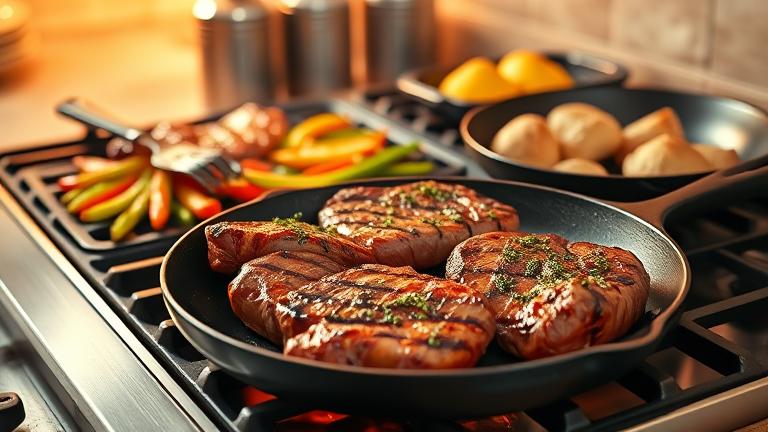
Introduction to Dry Cooking Methods
Dry cooking methods are a fundamental part of culinary arts. They involve cooking food using direct heat or heat with very little or no added liquids. These methods are excellent for enhancing flavor, developing texture, and creating delicious browned surfaces on many ingredients.
Using dry heat changes the way food looks, tastes, and feels. It allows sugars and proteins to caramelize and brown, which adds depth and complexity to dishes. These techniques are perfect for cooking meats, vegetables, and baked goods, making them more appealing and flavorful.
What Are Dry Cooking Methods?
Dry cooking methods rely on heat transfer through air, fat, or radiation. Unlike moist cooking techniques that involve water or broth, dry methods use options like baking, roasting, frying, and grilling. They often involve higher temperatures, which help develop rich flavors and appealing textures.
Many dry cooking methods are versatile and easy to adapt at home. Whether you’re toasting nuts, roasting vegetables, or searing a steak, understanding these techniques can help you achieve the best results.
Common Types of Dry Heat Cooking
- Baking: Cooks food evenly using hot air in an enclosed oven. Great for bread, casseroles, and desserts.
- Roasting: Similar to baking but usually at higher temperatures, suitable for meats and root vegetables.
- Grilling: Direct heat from below cooks food quickly, adding smoky flavors. Ideal for burgers, kebabs, and vegetables.
- Frying: Submerging or pan-frying food in hot fat or oil. Creates crispy textures, perfect for chicken, fries, and donuts.
- Sautéing and Pan-frying: Using a small amount of oil in a skillet over medium-high heat. Good for vegetables and thin cuts of meat.
Why Are Dry Cooking Methods Important?
Dry heat methods are vital because they unlock unique flavors and textures. For example, roasting a chicken gives it a crispy skin and juicy interior, while baking bread creates a light, airy crumb. These techniques also help caramelize sugars, which enhances sweetness and adds complex flavors.
Additionally, dry cooking methods are often faster and easier to control. They don’t require special ingredients like stock or broth, making them convenient for everyday cooking. By mastering these techniques, you can prepare a wide range of meals with rich flavors and appealing appearances.
Tips for Successful Dry Cooking
- Preheat your oven or grill to ensure even cooking.
- Use the right type of fat or oil to prevent burning and add flavor.
- Keep an eye on cooking times to avoid over-browning or dryness.
- Let meat rest after cooking to allow juices to redistribute.
- Experiment with different temperatures and methods to find what works best for your favorite ingredients.