
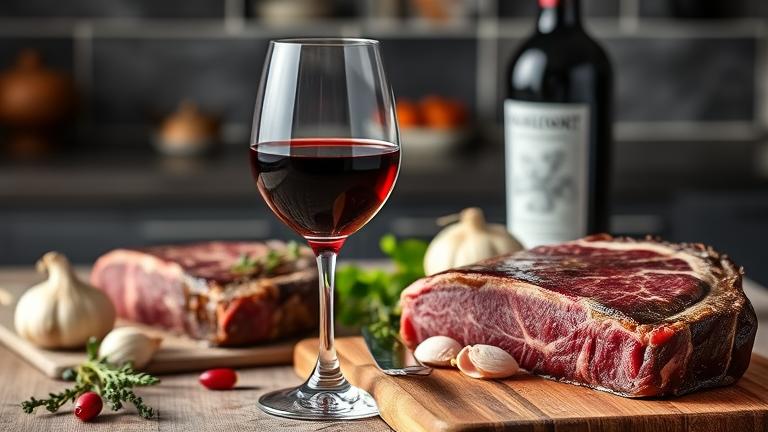
Best Red Wines for Cooking with Beef
When cooking beef, choosing the right red wine can make a big difference in the flavor of your dish. The best red wines for cooking with beef add richness, depth, and a touch of acidity that balances the meat’s savory qualities. Whether you’re making a hearty stew, a tender pot roast, or a flavorful sauce, selecting a good wine helps elevate your meal without breaking the bank.
Keep in mind that you don’t need the most expensive bottle. Look for a wine that you would enjoy drinking, as its flavors will concentrate during cooking. The goal is to find a wine with enough body and flavor to enhance your beef, but not so expensive that it’s wasted in the process. Here are some of the top options you’ll want to consider for your next beef dish.
Red Wines to Consider
- Cabernet Sauvignon: Known for its rich tannins and bold flavor, Cabernet brings a deep, fruity profile with hints of blackcurrant and cedar. It pairs well with beef stews or grilled steaks and adds complexity to braised dishes.
- Merlot: Smooth and soft with ripe fruit flavors, Merlot is versatile and forgiving. Its mellow character makes it suitable for slow-cooked beef recipes and sauces without overpowering the dish.
- Syrah/Shiraz: Offers spicy, black fruit notes with a hint of smokiness. It works great in Mediterranean-style beef dishes or as a wine for marinating tougher cuts.
- Zinfandel: Known for its jammy fruit and peppery spice, Zinfandel is excellent in recipes that call for a bit of boldness and sweetness, like beef chili or barbecue.
- Pinot Noir: Though lighter than others, Pinot Noir adds a bright acidity and berry flavors, making it ideal for lighter beef dishes like stew or braised beef in wine sauces.
Tips for Choosing and Using Wine in Cooking
- Pick a wine labeled as “dry” and avoid cooking wines with added salt or preservatives.
- Use a wine you enjoy drinking, as its flavors will intensify during cooking.
- Pour the wine early in your cooking process so it can meld with the meat and other ingredients.
- Allow the wine to reduce to concentrate its flavors before finishing your dish.
Storage and Safety
If you have leftover wine after cooking, store it in an airtight container and keep it in the fridge. Use within a few days to prevent spoilage. When cooking with wine, always remember to simmer or cook it long enough to burn off the alcohol, leaving behind the rich flavors.
Top Types of Red Wine for Beef Dishes
When cooking beef, choosing the right red wine can make a big difference in flavor. Different wines complement the rich, hearty taste of beef in unique ways. Whether you’re making a stew, braising, or simply adding wine to a sauce, knowing which variety to pick is key. Here, we’ll explore some of the best types of red wine for beef dishes, their characteristics, and when to use them.
The most recommended red wines for beef tend to be those with good structure and depth of flavor. These wines add richness and enhance the natural taste of the meat. Don’t worry if you’re new to wine pairing — these options are versatile and friendly for home cooks.
1. Cabernet Sauvignon
This is one of the most popular red wines for beef. Cabernet Sauvignon is known for its bold flavor, high tannin content, and notes of blackcurrant, plum, and sometimes a hint of spice. Its strong structure makes it ideal for dishes like beef stew, braised short ribs, or grilled steaks.
Because of its high tannins, it helps tenderize the meat and adds a complex, lingering taste to your dish. When cooking with Cabernet, use a good quality bottle for best results. It pairs well with hearty, flavorful beef recipes that need a wine with enough weight to stand up to the richness.
2. Merlot
Merlot offers a softer, more fruit-forward option. It has smooth tannins and flavors of plum, cherry, and chocolate. Merlot is a friendly choice for slow-cooked beef dishes or anything that benefits from a less intense wine.
Its mellow profile makes it versatile and forgiving, especially if you’re new to wine cooking. Use Merlot for dishes like beef bourguignon or beef ribs that simmer for hours, allowing the wine’s fruity notes to meld into the meat.
3. Malbec
Originating from Argentina, Malbec is known for its dark fruit flavors, like blackberry and blueberry, along with a hint of spice. It has moderate tannins and a velvety texture that makes it a favorite for grilled beef or steak.
Malbec adds depth and a touch of smoky richness to beef recipes. It’s perfect if you want a wine that enhances the meat without overpowering it. Plus, it pairs well with dishes that have a touch of chili or smoky seasoning.
4. Syrah / Shiraz
This wine is full-bodied and often packed with flavors of black pepper, dark berries, and sometimes a smoky note. Syrah, or Shiraz, is excellent for robust beef recipes like slow-roasted brisket or chili.
The wine’s spiciness complements the richness of the beef and adds complexity. When using Syrah in cooking, choose a bold bottle that can stand up to the intensity of your dish.
5. Zinfandel
Zinfandel is a fruity and slightly spicy red wine. It has bold flavors of blackberry, raspberry, and a hint of spice. Zinfandel is great for beef stew or barbecue recipes with a sweet or smoky sauce.
It brings a rich, jammy quality that enhances the depth of beef dishes. Its vibrant fruitiness can also balance out the savory flavors in your recipe.
In summary, the best red wine for beef depends on the dish and your taste preference. Bold wines like Cabernet Sauvignon and Syrah suit hearty, rich recipes, while softer options like Merlot work well in more delicate preparations. Experimenting with different varieties can add a new dimension to your cooking and make your beef dishes even more delicious.
Tips for Picking the Perfect Red Wine
Choosing the right red wine for cooking beef can make a big difference in how your dish turns out. Whether you’re making a rich stew or a savory sauce, the wine you select adds depth and flavor. The key is to pick a wine that complements the beef without overpowering it.
Don’t worry if you’re not a wine expert. With a few practical tips, you’ll confidently choose the best red wine for your cooking needs. Here are some helpful pointers to guide you through the process.
Consider the Flavor Profile
Since beef has a hearty, robust flavor, opt for a red wine with a similar richness. Wines like Cabernet Sauvignon, Merlot, and Shiraz tend to work well because they have bold, full-bodied flavors. These wines add depth without overpowering the taste of the beef.
If you prefer a slightly lighter touch, Pinot Noir can be a good choice. Its softer tannins and fruity notes can bring a subtle complexity to your dish.
Check the Quality
You don’t need to buy the most expensive wine for cooking, but steer clear of very cheap wines. Low-quality wines often have harsh or sour flavors that can ruin your dish. Look for a mid-range wine with a good balance of fruitiness and acidity.
Try to select a wine that you enjoy drinking on its own, as the flavors will concentrate during cooking. If it tastes good to sip, it will likely taste good in your recipe too.
Stick to the Right Price Range
Cooking with wine is about enhancing flavors, not showcasing the wine itself. Usually, wines in the $8 to $15 range are perfect for cooking. There’s no need to spend a fortune, but avoiding very cheap options will prevent unpleasant surprises.
If you’re unsure, ask at your local wine shop for recommendations for cooking purposes. Staff can suggest budget-friendly options that still deliver good flavor.
Think About the Cooking Method
The way you cook the beef influences your wine choice. For slow-cooked stews or braises, bold and tannic wines like Cabernet Sauvignon work well because they stand up to long cooking times.
For quicker sauces, lighter wines such as Merlot or even a young red Burgundy can add flavor without becoming too overpowering.
Practical Tips to Keep in Mind
- Use a wine you’ll enjoy drinking – it makes a noticeable difference.
- Avoid “cooking wines” or wines labeled as cooking wine, as they often have added salt and preservatives.
- Reserve some of the wine to taste later – this way, you can gauge how it contributes to your dish.
- Remember, the wine should enhance, not mask, the beef’s natural flavors.
By keeping these tips in mind, you’ll pick the perfect red wine for your beef recipes every time. The right wine can turn simple ingredients into a delicious, memorable meal. Cheers to tasty cooking!
How to Pair Red Wine with Beef Recipes
Pairing red wine with beef dishes can elevate your meal and bring out the best in both the wine and the meat. Different types of red wine complement various beef recipes, depending on the cut, cooking method, and sauce. Knowing these basic guidelines can help you choose the perfect wine for your beef creations and make your dinner truly special.
When selecting a red wine to go with beef, consider the richness and intensity of the dish. Lighter beef recipes, like stir-fries or grilled cuts, often work well with fruity reds, while hearty, slow-cooked dishes benefit from bold wines with more tannins. Tannins are compounds in wine that interact with the fat and protein in beef, balancing flavors and creating a pleasant mouthfeel.
Match Light to Medium Beef Dishes with Lighter Reds
- Pinot Noir: This wine has soft tannins and bright acidity, making it an excellent choice for leaner beef cuts like sirloin or filet mignon. It pairs well with grilled or roasted beef, especially when served with herbs or a light sauce.
- Grenache or Garnacha: These wines are fruity and medium-bodied, matching nicely with beef dishes that have a slightly spiced or smoky flavor.
Choose Bolder Reds for Rich, Slow-Cooked Beef
- Cabernet Sauvignon: Known for its bold tannins and dark fruit flavors, Cabernet complements hearty beef stews, braised short ribs, or prime rib. Its structure can stand up to rich sauces and gravy.
- Syrah/Shiraz: This wine has spicy, smoky notes that pair wonderfully with grilled or roasted beef, especially when there’s a peppery or BBQ seasoning involved.
Consider the Sauce and Seasonings
The sauce and spices you use can also guide your wine choice. A tomato-based sauce, for example, pairs nicely with medium to full-bodied reds like Merlot or Malbec. For a beef dish with a wine reduction or mushroom sauce, a Pinot Noir or Merlot can add harmony to the meal.
Tips for Perfect Pairings
- Balance is key: Match the intensity of the wine with the richness of the beef dish. Light wines for delicate dishes, bold wines for robust flavors.
- Don’t forget the sauce: The sauce often has more impact on pairing than the beef itself. Adjust your wine choice accordingly.
- Experiment and taste: Try different combinations to discover what you enjoy most. Remember, personal preferences matter!
- Serving temperature: Chill red wines slightly before serving for a fresher taste. Generally, serve reds between 60-65°F (15-18°C).
By understanding the characteristics of different red wines and matching them with the style of your beef dish, you can create a well-balanced and flavorful meal. Whether you prefer a light Pinot Noir or a bold Cabernet, there’s a perfect red wine pairing waiting to enhance your beef recipes and impress your guests.
Common Mistakes When Cooking with Red Wine
Red wine can add incredible depth and richness to a variety of dishes, from hearty stews to flavorful sauces. However, it’s easy to make some common mistakes that can negatively affect your cooking results and the final flavor. Knowing what to avoid will help you get the best out of your red wine and create delicious, well-balanced meals.
Choosing the Wrong Type of Wine
One of the biggest mistakes is using the wrong type of red wine. Many home cooks reach for cheap or overly sweet wines, thinking they can replace good-quality wine in recipes. This often results in bitter or flat flavors. It’s best to select a dry red wine that you would enjoy drinking, such as Pinot Noir, Merlot, or Cabernet Sauvignon. These wines have a good balance of acidity and tannins that will enrich your dish without overpowering it.
Adding Too Much or Too Little
Another common issue is misjudging the amount of wine to add. Using too much can make your dish overly boozy or acidic, while too little may not provide enough flavor enhancement. A good rule of thumb is to add about half a cup of wine for a stew serving four people. Taste as you go and adjust accordingly, especially if you’re simmering for a long time.
Not Reducing the Wine Properly
When incorporating red wine into a sauce or stew, it’s important to let it simmer and reduce. This step concentrates the flavors and helps cook off the alcohol, leaving behind a rich, deep taste. Rushing this process by adding wine and serving immediately can leave your dish tasting sharp or harsh. Allow the wine to simmer gently until it thickens slightly and the alcohol evaporates—this usually takes about 10 to 15 minutes.
Using Cooked or Old Wine
Even if you find a bottle of wine that’s been open for a while, avoid using it in your cooking. Old or previously opened wine may have spoiled or lost its flavor. Always choose fresh, quality wine that you enjoy drinking. This will make a noticeable difference in the final taste of your dish.
Ignoring the Balance of Flavors
Red wine adds acidity and tannins, which can sometimes overpower other ingredients. To prevent this, taste your dish as it cooks and balance the flavors with vegetables, herbs, or a touch of sweetness if needed. For example, if your sauce tastes too sharp, a small pinch of sugar or a splash of balsamic vinegar can mellow the acidity and add complexity.
Storing Unused Wine Incorrectly
Leftover wine should be stored properly to preserve its quality. Keep it sealed and refrigerate it; use within a few days to avoid spoilage. Never leave wine sitting out in a warm kitchen as heat accelerates deterioration, which can affect the taste and safety when cooking later.
By avoiding these common mistakes, your red wine-based dishes will turn out more flavorful and enjoyable. Remember, good ingredients and patience are key to achieving rich, balanced flavors each time you cook with red wine.
How to Reduce Red Wine for Cooking
Reducing red wine is a great way to intensify its flavor and achieve a richer, thicker sauce or gravy. If you’re making a stew, braise, or sauce, knowing how to properly reduce red wine can really elevate your dish. The process is simple, but a few tips can help you get the best results without overdoing it.
First, start with a good-quality red wine. You don’t need an expensive bottle, but choose one that tastes pleasant on its own. Remember, the flavor of the wine will concentrate as you reduce it, so a wine you enjoy drinking will produce a better-tasting sauce.
Steps for Reducing Red Wine
- Pour the wine into a saucepan or deep skillet. Use enough to cover the bottom with at least a few inches. This allows room for bubbling and prevents spills.
- Bring the wine to a boil over medium-high heat. You will notice steam and bubbles forming. Keep a close eye to prevent it from boiling over.
- Reduce the heat to medium or low once it reaches a gentle simmer. Maintain a slow simmer rather than a rapid boil, which helps prevent burning or losing too much liquid too quickly.
- Let it simmer uncovered. This allows evaporation and helps concentrate the flavors. Stir occasionally so the wine reduces evenly.
- Monitor the volume and flavor. Typically, the wine will reduce to about half or a third of its original volume, depending on how thick you want it and how concentrated you like the flavor.
How to Know When the Reduction Is Done
Use these clues to decide if your wine has reduced enough:
- The sauce should have thickened slightly and coat the back of a spoon.
- The flavor will be more intense and less tart, with a richer aroma.
- If you prefer a thinner sauce, stop sooner. For a syrupy consistency, continue to reduce until it reaches your desired thickness.
Tips to Get the Best Results
- Timing varies: Reducing can take 10-20 minutes, depending on the amount of wine and heat level.
- Avoid high heat: It can cause the wine to burn or evaporate too quickly, risking a bitter taste.
- Use a wide pan: This increases surface area, speeding up the reduction process.
- Season last: Add salt, herbs, or other seasonings after reducing, so flavors don’t evaporate prematurely.
- Be patient: Rushing the process can lead to flavor loss or burning. Slow simmering produces better flavor concentration.
Common Mistakes to Avoid
- Not stirring enough, leading to uneven reduction.
- Reducing over too quickly on high heat, which can burn the wine or create bitterness.
- Adding too much wine at once, prolonging the reduction time or causing uneven thickening.
- Waiting too long to stop the reduction, risking overly thick or sticky sauces.
Storage and Reuse
If you have leftover reduced wine, store it in an airtight container in the refrigerator for up to a week. You can also freeze it in ice cube trays for easy addition to future recipes.
Best Brands of Red Wine for Cooking
Choosing the right red wine for cooking can make a big difference in the flavor of your dishes. You don’t need to use expensive bottles, but selecting a reliable and good-quality brand helps ensure your meals turn out delicious. Luckily, there are several reputable brands that offer affordable, flavorful red wines perfect for cooking.
When shopping for cooking wine, look for labels marked as “dry” or “table” wine. Sweet or flavored wines tend to change the flavor profile of your dish in an unintended way. The key is to pick a wine you wouldn’t mind drinking, as the flavors will concentrate during cooking.
Popular and Trusted Brands
- Barefoot: Known for its affordability and consistent quality, Barefoot offers a variety of dry reds like Cabernet Sauvignon and Merlot. These wines are a great everyday choice for stews and sauces.
- Yellow Tail: An Australian brand with a good range of approachable red wines. Their Shiraz and Cabernet are hearty and suitable for braising or adding depth to recipes.
- Menage à Trois: A popular Californian brand, their Red Blend is smooth and versatile, making it perfect for many cooking styles.
- Apothic: Known for rich and slightly fruity wines, Apothic’s Dry Red blend offers a good balance of flavor without being too bold, ideal for red wine reduction sauces.
- Concha y Toro: This Chilean brand provides quality wines like their Classic series, which are affordable and reliable for cooking.
Specialty and Value Options
If you’re looking for great value options that perform well in cooking, consider these brands:
- Trader Joe’s Charles Shaw: Often referred to as “Two-Buck Chuck,” this brand offers budget-friendly options that work surprisingly well in recipes where the wine is a background flavor.
- Josh: An easy-drinking, reasonably priced wine from California that works well in marinades and rich sauces.
- La Crema: Known for higher-quality wines, their Pinot Noir can be a nice choice for lighter dishes like mushroom sauces.
Tips for Choosing the Right Cooking Wine
- Stick with wines labeled as dry or table wines rather than sweet or cooking wines, which can be overly processed.
- Pick a wine you enjoy drinking, since the flavor concentrates as it cooks.
- Check the alcohol content—most cooking wines are around 12-14% ABV, similar to drinking wines.
- Remember that the brand is less important than the type of wine you buy; focus on quality and taste rather than premium labels.
In the end, using a reputable red wine brand for cooking ensures your sauces, stews, and braises have the robust flavor you want without breaking the bank. Experiment with different brands to find what works best for your favorite recipes.