
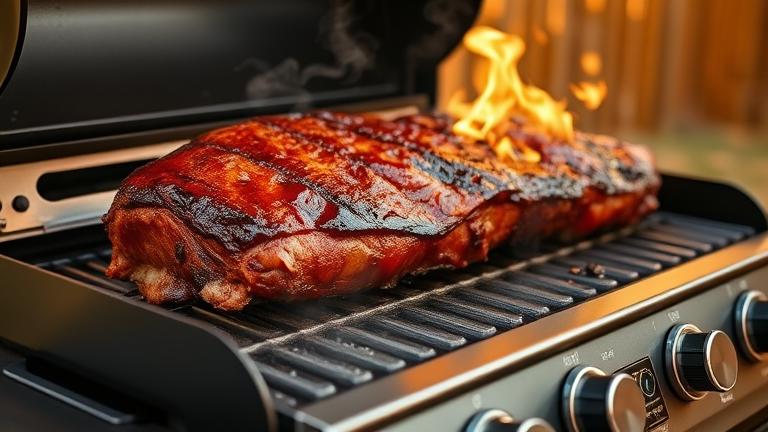
Choosing the Right Brisket
Selecting the best quality brisket is key to achieving flavorful and tender smoked meat on your pellet grill. With so many options available, knowing what to look for can help you make the right choice and prevent any surprises during cooking.
One of the most important factors is marbling. Marbling refers to the thin streaks of fat woven throughout the meat. This fat melts during smoking, keeping the brisket moist and enhancing its flavor. When shopping, look for a brisket with good marbling: it might not be the most visually perfect cut, but the fat distribution makes a big difference in taste and tenderness.
Briskets come in different cuts, mainly the flat and the point. The flat cut is leaner with less fat and is easier to slice, making it popular for sandwiches. The point, on the other hand, is fattier and more flavorful. For smoking, many enthusiasts prefer a whole brisket that includes both parts, called a “packer” brisket, as it offers a good balance and more flavor.
Choosing the Right Size
Briskets are sold in various sizes, generally ranging from 8 to 15 pounds. For home smoking on a pellet grill, a smaller brisket around 8 to 12 pounds is usually manageable and fits well on most grills. Larger cuts may require more time and careful temperature management to avoid drying out.
If you are new to smoking, a manageable size helps you learn the process better. A common mistake is choosing a cut that’s too big, leading to uneven cooking or longer waiting times. Aim for a size that fits your schedule and your grill comfortably.
Additional Tips for Selecting Your Brisket
- Look for bright, fresh meat with a deep red color: this indicates freshness and good quality.
- Check for a firm texture; avoid cuts that feel spongy or have excessive surface moisture.
- If possible, ask your butcher for advice or to pick a well-marbled fresh cut.
- Opt for a brisket with a uniform thickness for even cooking and smoke penetration.
Remember, the quality of your brisket makes a big difference in the final result. Taking a little extra time to select a good cut with ample marbling and the right size sets you up for smoked meat that’s tender, juicy, and packed with flavor. Happy grilling!
Preparing Your Brisket for Cooking
Getting your brisket ready before cooking is an important step to ensure it turns out tender, flavorful, and juicy. Proper preparation involves a few simple steps, including trimming, seasoning, and sometimes marinating. Following these tips will help you achieve the best results, whether you’re roasting, smoking, or slow-cooking your brisket.
Trimming the Brisket
Start by removing excess fat from the brisket. A good rule of thumb is to leave about a quarter-inch layer of fat on top, which helps keep the meat moist during cooking. Use a sharp knife to carefully trim away any thick or uneven fat pockets, as these can cause uneven cooking or greasy bites.
Look for any silver skin— a tough, silvery membrane that doesn’t break down during cooking. Remove this with a gentle, steady effort to ensure your brisket is tender and easy to chew. Trimming helps the seasoning penetrate better and reduces flare-ups if you’re smoking on a grill.
Seasoning Your Brisket
Once the brisket is trimmed, it’s time to season. A simple rub of salt and black pepper often works well, especially for traditional BBQ styles. For more flavor, add spices like paprika, garlic powder, onion powder, and cayenne pepper to your rub.
Apply the seasoning generously, making sure to coat all sides of the meat. For best flavor, season your brisket at least an hour before cooking or even the night before. Wrap it in plastic wrap and refrigerate if you have extra time. This gives the spices a chance to penetrate the meat and enhances the overall taste.
Marinating for Extra Flavor
If you want to add extra flavor and moisture, consider marinating the brisket. You can use a simple marinade made of ingredients such as apple cider vinegar, soy sauce, or Worcestershire sauce combined with herbs and spices.
Place the brisket in a resealable plastic bag or a covered container with the marinade. Let it sit in the refrigerator for at least 4 hours, or overnight, so the flavors can soak in properly. Be mindful not to marinate for too long, especially if your marinade is acidic, as it might start breaking down the meat fibers.
Quick Tips for Success
- Always wash your hands after handling raw meat.
- If trimming your brisket, work on a steady, clean cutting surface with a sharp knife.
- Don’t be afraid to experiment with different spice blends to find your favorite flavor profile.
- Allow the meat to come to room temperature before cooking for even heat distribution.
By taking the time to properly prepare your brisket—trimming excess fat, seasoning well, and optionally marinating—you set yourself up for a delicious, tender, and flavorful meal. The extra effort pays off with perfectly cooked brisket that everyone will love.
Setting Up Your Pellet Grill
Getting your pellet grill ready for smoking a brisket is an important step to ensure you get delicious, tender results. Proper setup helps maintain a steady temperature and consistent smoke, which are key for that perfect brisket. Let’s walk through the basic steps to set up your pellet grill like a pro.
Choose the Right Wood Pellets
The first step is selecting the best wood pellets for smoking brisket. Popular options include hickory, oak, or mesquite. These woods add rich, smoky flavor that complements the beef nicely. Avoid using softwood like pine or cedar, as they can produce unpleasant flavors and potentially harmful fumes.
Most pellet brands have a variety of flavors. If you are new to smoking, start with a mild flavor like oak or fruit woods such as apple or cherry. You can experiment later with stronger woods. Also, use high-quality pellets free of fillers, glue, or chemicals for the best taste and safety.
Preheat Your Pellet Grill
Before placing your brisket, preheat the grill. Turn it on, set the temperature to around 225°F to 250°F, which is ideal for smoking brisket. Many pellet grills have an automatic preheat function—use it and wait until the grill reaches your target temperature.
Preheating ensures the interior is evenly heated and the pellets start producing smoke. It also helps to have a clean, empty firepot to start with, so the grill can burn fresh pellets efficiently. While waiting, you can prepare your brisket by trimming excess fat and seasoning it as desired.
Positioning the Meat
Place your brisket fat side up on the grill grate. Position it in the center for the most even heat and smoke exposure. Use a drip pan below the meat if your grill has a dedicated area for catching drippings. This helps keep your grill clean and prevents flare-ups.
Make sure the brisket isn’t touching the walls or heating elements. Give some space around the meat for proper air circulation and smoke penetration. If you’re using a probe thermometer, insert it into the thickest part of the brisket before placing it on the grill so you can monitor the internal temperature easily.
Monitor and Adjust
Once everything is set, close the lid and keep an eye on the temperature. Most pellet grills have digital controls that make it easy to adjust heat during cooking. If your grill runs too hot or too cool, tweak the air vents or the pellet feed if your model allows it.
Remember, maintaining a steady temperature is crucial for a tender brisket. If you notice fluctuating temps, check the pellet level and refill if needed. Also, avoid opening the lid too often, as it releases heat and smoke, disrupting the cooking process.
- Keep the lid closed as much as possible during smoking.
- Use a meat thermometer to monitor internal temperature.
- Replenish pellets as needed to keep temperature steady.
Best Cooking Temperatures and Times
When cooking brisket on a pellet grill, getting the temperature just right is key to achieving tender, juicy meat. The ideal temperature for brisket usually falls between 225°F and 250°F. Cooking at this low and slow temperature allows the connective tissues to gradually break down, making the meat fall-apart tender.
Typically, you should plan for about 1 to 1.5 hours of cooking time per pound of brisket. For example, a 10-pound brisket might take approximately 10 to 15 hours to reach perfect doneness. Remember, these are general guidelines. Always start checking for doneness around the estimated time to prevent overcooking.
Maintaining a Steady Temperature
Steady heat is crucial for a juicy, well-cooked brisket. Pellets help maintain consistent temperatures, but you still need to keep an eye on your grill. To ensure even cooking:
- Preheat your pellet grill to your target temperature, usually 225°F to 250°F, before placing the brisket inside.
- Use the built-in thermometer or add an instant-read meat thermometer to monitor internal temperatures.
- Avoid opening the lid too often, as heat escapes and can cause fluctuations in temperature.
If your grill tends to fluctuate, consider placing a piece of foil over the heat source or adjusting the pellet feed if possible. Some grill models have Wi-Fi or app controls, making it easier to adjust heat remotely. Remember, patience is key; don’t rush the process for the best results.
Target Internal Temperatures for Brisket
| Internal Temperature | Result |
|---|---|
| 195°F – 203°F | Achieves maximum tenderness, ideal for slicing or shredding |
| 185°F – 195°F | Juicy and slightly firmer, good for a firmer slice |
| Below 180°F | Undercooked, meat may be tough and chewy |
Most experts recommend removing your brisket from the grill when it reaches around 195°F to 203°F. Wrap it in foil and let it rest for at least 30 minutes before slicing. Resting allows juices to redistribute, making the meat more flavorful and moist.
Additional Tips for Success
- Use a reliable digital thermometer to monitor internal meat temperature accurately.
- If the bark (outer crust) is too dark before the brisket reaches the right temperature, tent it with foil to prevent burning.
- Maintain a clean grill and avoid opening the lid unnecessarily, especially during the first several hours of cooking.
By paying close attention to temperature and timing, your brisket will become beautifully tender and juicy every time. It might take some practice, but with these tips, you’ll master the low-and-slow technique on your pellet grill soon enough!
Tips for Perfect Smoke and Flavor
Getting that ideal smoky aroma and rich flavor from your smoked foods is both an art and a science. Whether you’re using wood pellets in a smoker or a grill, there are simple strategies to help you achieve the perfect balance of smokiness and taste. With the right choices and techniques, your dishes will have that coveted smoky depth everyone loves.
Choose the Right Wood Pellets
The type of wood pellets you select plays a major role in the flavor profile of your smoked food. Different woods impart distinct tastes, so it’s helpful to match your pellet choice with your main ingredient. For example, hickory pellets offer a strong, smoky flavor ideal for pork or ribs. Apple or cherry woods provide a milder, slightly sweet aroma suited for poultry and fish.
If you’re experimenting, try blending woods for a unique flavor. Always use high-quality, food-grade pellets from reputable brands. Avoid pellets with added fillers or binders, as these can impart unwanted tastes or create excessive smoke.
Control Your Smoke and Temperature
Consistent temperature control is key to a successful smoke. Too high a temperature can burn the wood too quickly, resulting in bitter flavors. Too low, and the wood might not produce enough smoke or flavor. Aim for a steady temperature generally between 225°F and 275°F, depending on your recipe.
To enhance flavor, generate a steady, thin blue smoke rather than billowing, thick smoke. Thick smoke can leave a harsh, bitter taste on your food. Make sure your smoker’s venting is properly adjusted to allow for good airflow—this helps produce clean, flavorful smoke rather than smoky, acrid fumes.
Prep and Marinate Your Food
Starting with well-prepared food can amplify the smoky flavor. Brining or marinating your meat beforehand can add layers of flavor that complement the smoke. For example, a simple marinade with soy, honey, garlic, and herbs pairs well with smoky ribs or chicken.
For a more intense smoky taste, consider applying a dry rub or seasoning that contains ingredients like paprika, cumin, or brown sugar. These not only add flavor but can also help form a flavorful crust during cooking.
Timing and Technique
Timing your smoke sessions is crucial. For most meats, a longer smoke at low heat allows the smoke to infuse deeply. Usually, smoking times range from two to six hours depending on the cut and size. Keep an eye on internal temperatures rather than just time, using a reliable meat thermometer.
For added flavor, consider using a rest period after smoking. Let the meat sit covered, so the juices redistribute, and the smoky aroma settles in. Remember that opening the smoker too often can decrease temperature and interrupt smoke infusion, so plan accordingly.
Extra Tips for Enhanced Smoke and Flavor
- Use a water pan inside your smoker to maintain moisture, which helps carry the smoke into the meat.
- Soak wood pellets or chips in water for about 30 minutes before adding them. This will slow down their burn and produce longer-lasting smoke.
- Start with smaller quantities of smoke and taste test. You can always add more, but over-smoking can overpower the food’s natural flavors.
- Try finishing your smoked meat with a glaze or sauce—this adds another layer of flavor and can help balance the smoky intensity.
Perfect smoke and rich flavor come with practice, patience, and the right tools. With these tips, you’ll be well on your way to crafting deliciously smoky dishes that impress friends and family alike.
Monitoring and Resting the Brisket
When you’re cooking a brisket, keeping an eye on the internal temperature is key to getting that perfect, tender result. Using a good meat thermometer helps you know exactly when your brisket is done, preventing overcooking or undercooking. It’s a simple step that makes a big difference. You’ll want to insert the thermometer into the thickest part of the meat, avoiding any fat or bone, to get an accurate read.
Most briskets are cooked low and slow, at around 225-250°F (107-121°C). During the cooking process, check the temperature every once in a while. When the internal temperature reaches about 195-205°F (90-96°C), it’s usually ready. At this point, the meat should be tender enough to pull apart easily. Keep in mind that cooking times vary depending on the size of your brisket and your oven or smoker. So, monitoring the temperature is more reliable than just sticking to a fixed time.
Once the brisket hits the right temperature, it’s tempting to slice right away. But here’s an important tip: resting the meat is just as crucial as cooking it properly. Resting allows the juices, which move to the center during cooking, to redistribute throughout the meat. This results in a moist, flavorful brisket instead of a dry, tough one.
To rest the brisket, remove it from the heat source and tent it loosely with aluminum foil. You don’t need a tight wrap; just enough to keep it warm. Let it sit for at least 30 minutes, but ideally up to an hour if you have the time. During this period, the internal temperature may rise slightly, a phenomenon called carryover cooking, which can finish tenderizing the meat.
Tips for Resting Your Brisket
- Use a clean cutting board and sharp knife for slicing after resting.
- Slice against the grain—that is, perpendicular to the muscle fibers—to make each bite tender.
- If you’re not serving immediately, keep the brisket covered in foil and in a warm spot to retain heat without further cooking.
Remember, patience during the resting phase makes a big difference in the final flavor and texture. Cutting into the brisket too soon can cause the juices to escape, leaving your meat dry. Taking the time to monitor the temperature carefully and resting the meat properly will reward you with a juicy, tender brisket that everyone will enjoy.
Troubleshooting Common Issues
Cooking brisket on a pellet grill can sometimes come with a few hiccups. Whether your brisket turns out dry, the heat isn’t even, or you notice too much smoke, don’t worry. Most problems have simple solutions that help you get consistently delicious results. Let’s explore some common issues and how to fix them easily.
Brisket Comes Out Dry
Dry brisket is a common concern. It often happens when the meat overcooks or if there isn’t enough moisture during the smoking process. To prevent this, make sure you are not cooking it for too long or at too high a temperature. Using a meat thermometer helps you monitor internal temperature and pull out the brisket at the right time.
Another tip is to wrap the brisket in foil or butcher paper once it reaches the stall, usually around 150 to 160°F. Wrapping holds in moisture and prevents the meat from drying out. Also, consider spritzing or brushing the brisket with apple juice, broth, or a marinade during the cook to add moisture.
Uneven Cooking or Hot Spots
Sometimes, the brisket might cook unevenly, with one side done before the other. This can be caused by hot spots in your pellet grill. To fix this, rotate the brisket during the cook, moving it from one side to the other every couple of hours. This promotes even cooking.
Ensuring your grill is clean and maintains a consistent temperature is important too. Use a reliable meat thermometer and set your grill a little lower than your target temperature if you notice hot spots. Keeping the lid closed as much as possible helps maintain a steady heat and smoke level.
Too Much Smoke or Bitter Flavor
While some smoke flavor is good, too much can turn the brisket bitter. This usually happens when there’s excessive smoke buildup or the smoke is too thick. To fix this, check your pellet quality—use the recommended pellets for grilling—and reduce the smoke if your grill has a smoke setting.
Remember, a steady, thin bluish smoke is preferable. If the smoke looks thick and billowy, turn down the heat slightly and give the grill some time to clear out excess smoke. Opening the lid briefly to let out some smoke can also help reduce bitterness.
Tips to Avoid Common Problems
- Preheat your grill fully before adding the brisket.
- Use a reliable meat thermometer to monitor temperature closely.
- Wrap in foil or butcher paper once the brisket hits the stall to keep it moist.
- Keep the grill clean for even heat and optimal smoke production.
- Choose good quality pellets and experiment with smoke levels.
With these troubleshooting tips, you’ll be able to fix common brisket issues quickly and get better results every time you grill. Remember, patience and small adjustments are key to mastering the perfect smoked brisket on your pellet grill.