
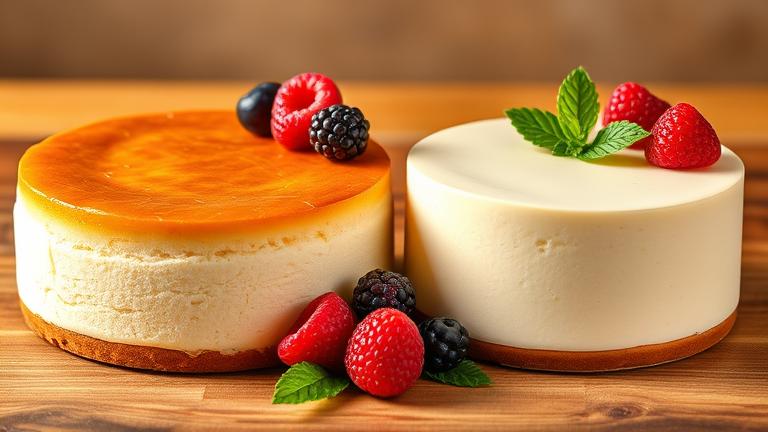
Introduction to Cheesecake Types
Cheesecake is a delicious dessert loved by many, and there are two main types to choose from: baked and no-bake. Both have their own special qualities and appeal, making cheesecake versatile and fun to make. Knowing the differences can help you decide which one to try first or see which fits best with your occasion.
Let’s start with baked cheesecakes. These are the classic type most people think of. They are made by mixing cream cheese with sugar, eggs, and flavorings, then baking it in the oven. The baking process gives the cheesecake a firm texture, with a rich, creamy center. Baked cheesecakes often have a slightly dense, velvety feel and a warm, toasted flavor from the baking process. They are perfect for special occasions or when you want a comforting, hearty dessert.
On the other hand, no-bake cheesecakes are easier and quicker to prepare. They use ingredients like cream cheese, whipped cream or condensed milk, and a crust, but they do not require baking. Instead, they are chilled in the refrigerator until set. This method results in a lighter, fluffier texture that is less dense than baked varieties. No-bake cheesecakes are great for hot days or when you want a simple dessert that can be ready in less time.
| Feature | Baked Cheesecake | No-Bake Cheesecake |
|---|---|---|
| Preparation Time | Longer, includes baking time | Shorter, mainly chilling |
| Texture | Dense, velvety | Light, airy |
| Flavor | Rich, toasted flavor | Fresh, creamy flavor |
| Difficulty | Moderate, needs oven skills | Easy, good for beginners |
| Best for | Special occasions, festive desserts | Everyday treats, hot weather |
Key differences to remember: baked cheesecakes are more traditional, with a richer and denser texture that requires oven baking. No-bake cheesecakes are simpler, lighter, and set quickly in the fridge. Whichever you choose, both can be customized with various toppings, fruits, and flavors to suit your taste.
Whether you’re new to baking or looking for a quick dessert fix, understanding these two types of cheesecakes opens up endless tasty options. So, decide whether you want to go the classic baked route or opt for a no-bake version for a fuss-free treat. Either way, you’ll end up with a delicious dessert to enjoy!
What Is a Baked Cheesecake?
A baked cheesecake is a popular dessert known for its rich, creamy texture and delicious flavor. Unlike no-bake cheesecakes that set in the refrigerator, baked cheesecakes are cooked in the oven, which gives them their signature dense yet smooth consistency. This dessert combines cream cheese, eggs, sugar, and sometimes sour cream or heavy cream, all blending together into a luscious filling.
The preparation process for a baked cheesecake involves making a crust, usually from crushed graham crackers or digestive biscuits mixed with butter, and then adding the cheesecake filling on top. The cake is baked in the oven at a moderate temperature, often in a water bath to prevent cracks and ensure even heating. Baking allows the eggs to set the filling gently, creating a firm but tender texture that melts in your mouth.
When you bite into a classic baked cheesecake, you’ll notice a velvety, dense crumb that is a little creamy in the center, with a slightly firmer outer layer. The flavor profile is rich and tangy, thanks to the cream cheese, but balanced by sweetness. Some recipes include lemon zest or vanilla to enhance the flavor, giving the cake a fresh and aromatic touch.
Baking is essential for this type of cheesecake because it helps develop its structure and distinct texture. If you skip the baking step, the mixture remains soft and may not hold together well. Proper baking also helps eliminate any raw eggs, making the dessert safe to eat while creating the iconic crust and crumbly edge that’s characteristic of traditional baked cheesecakes.
There are many common recipes for baked cheesecake, ranging from the classic New York style with its dense filling to European variations that incorporate ingredients like mascarpone or ricotta. Some recipes use sugar, eggs, and cream cheese as basic ingredients, with optional toppings like fruit compotes or chocolate ganache. Overall, a baked cheesecake is a versatile dessert that can be tailored to your taste, whether you prefer it simple or decorated with fresh fruit and whipped cream.
- Choosing quality cream cheese is key for the best flavor and texture.
- Using a water bath during baking helps prevent cracking and promotes even cooking.
- Cooling the cake slowly in the oven or on the counter can reduce surface cracks.
- Allow the cheesecake to chill thoroughly in the refrigerator before serving for the best consistency.
No-Bake Cheesecake Explained
No-bake cheesecake is a delicious and easy dessert that skips the oven entirely. It’s perfect for hot days or when you want a sweet treat without spending hours in the kitchen. This type of cheesecake gets its creamy, smooth texture from a special blend of ingredients that set in the refrigerator instead of baking.
The main ingredients for no-bake cheesecake usually include cream cheese, sugar, and a liquid like heavy cream or condensed milk. Some recipes also add flavorings like vanilla or lemon zest for extra taste. The crust is often made with crushed graham crackers or cookies mixed with melted butter. This forms a sturdy base that holds all the creamy filling on top.
Making a no-bake cheesecake is straightforward. First, you prepare the crust by mixing the crumbs with melted butter and pressing it into the bottom of a springform pan. Then, in a separate bowl, beat the cream cheese with sugar until smooth. Add your flavorings and fold in whipped cream or evaporated milk to create a luscious filling. Pour this over the crust, smooth the top, and refrigerate for several hours or until the mixture sets firm.
The magic of this dessert lies in its texture. Once chilled, it becomes firm and velvety, reminiscent of traditional baked cheesecakes but with a lighter feel. Its smoothness makes it a favorite for those who prefer their desserts not overly dense or heavy.
One of the biggest advantages of no-bake cheesecake is how quick and hassle-free it is. You don’t need to worry about water baths or oven temperature. Instead, your ingredients just need time to chill, which can be as little as 4 hours or overnight for best results. This makes it ideal for last-minute gatherings or when you want a sweet treat without a long wait.
Many people enjoy customizing no-bake cheesecakes with toppings. Fresh fruit, fruit sauces, chocolate shavings, or whipped cream add visual appeal and extra flavor. Since the base recipe is simple, you can easily adapt it to your preferences or dietary needs.
Be careful not to overmix the filling, as it can make the final product too airy or airy. Also, make sure your ingredients are well chilled beforehand, especially the cream, for the best consistency. When storing leftovers, keep the cheesecake refrigerated to maintain its texture and freshness. It’s best enjoyed within 2-3 days, as it can start to soften or develop a crust if left out too long.
In summary, no-bake cheesecake is a delightful, quick, and versatile dessert that anyone can master. Its creamy texture and hassle-free process make it a popular choice for family dinners, parties, or any time you crave something sweet without turning on the oven.
Key Differences in Preparation
When it comes to making cheesecakes, you have two popular options: baked and no-bake. Both are delicious, but their preparation methods are quite different. Knowing these differences can help you choose the right one for your occasion and your kitchen skills.
Let’s start with the ingredients. Baked cheesecakes typically require cream cheese, sugar, eggs, and sometimes sour cream or heavy cream. The eggs help set the cake when baked, giving it a firm and smooth texture. No-bake cheesecakes also use cream cheese and sugar, but they skip the eggs. Instead, they rely on ingredients like whipped cream, gelatin, or condensed milk to help set the shape.
The crust in both types often uses graham crackers or cookies, combined with butter. In baked cheesecakes, the crust sometimes needs pre-baking before adding the filling. For no-bake versions, the crust is usually pressed directly into the pan and chilled, which makes it quick and simple.
Preparation Techniques
- Baked Cheesecake: The process involves mixing the cream cheese with sugar and eggs, then pouring it into the crust. It is baked in the oven at around 325-350°F (160-175°C) for about 1 hour or more, depending on the size. Baking helps set the eggs and creates a firm, dense texture. After baking, it often needs to cool slowly in the oven or at room temperature to prevent cracks, then chill in the fridge for a few hours or overnight.
- No-Bake Cheesecake: The ingredients are mixed until smooth and then poured into the crust. Instead of baking, the cake is chilled in the fridge for at least 4 hours, preferably overnight. Gelatin or whipped cream is used to set the filling quickly and help it hold together without heat. This method results in a softer, creamier texture that’s easier to prepare and doesn’t require oven time.
Times Involved
Baked cheesecakes generally take longer overall because of baking and cooling time. You should plan for about 2-3 hours of active prep plus several hours of baking and cooling. In contrast, no-bake cheesecakes are faster to prepare, mainly needing just the mixing and chilling steps. You can often have a no-bake cheesecake ready in under 4 hours, making it a great option for last-minute desserts.
Tips to Remember
- Always use room temperature cream cheese for smooth mixing, especially in baked cheesecakes.
- Prevent cracks in baked cheesecakes by baking gently and avoiding sudden temperature changes.
- In no-bake cheesecakes, make sure to fully dissolve gelatin if used, to prevent grainy texture.
- For a crust that holds well, press it firmly into the pan and chill it before adding the filling.
- Chill the completed cheesecake thoroughly. A rushed chill might make the surface uneven or cause texture issues.
Both baked and no-bake cheesecakes have their perks. Baking gives you a firm, traditional feel perfect for slicing and serving at parties. No-bake cheesecakes are ideal when you’re short on time or want a softer, creamy texture. Understanding these key differences can help you choose and prepare the perfect cheesecake for any occasion.
Pros and Cons of Each Type
When choosing between baked and no-bake cheesecakes, it helps to understand the benefits and drawbacks of each. Both types have their unique qualities and are suited for different occasions. Let’s explore these in detail so you can decide which one works best for you.
Baked Cheesecakes
Baked cheesecakes are the classic, traditional type that many people love. They are made by mixing the ingredients and then baking the mixture in the oven. The result is a dense, crispy, and somewhat firmer texture.
- Advantages: Baked cheesecakes often have a rich flavor and a smooth, velvety texture. Baking also helps the flavors meld together, creating a more concentrated taste. They tend to be sturdy and hold up well when sliced, making them perfect for special occasions like celebrations or dinner parties.
- Disadvantages: Baking can be time-consuming and requires attention to temperature and timing to avoid cracks or overbaking. They might be more sensitive to overbaking, which can result in a dry or grainy texture. Plus, they usually need more planning since they need to cool and chill for several hours before serving.
No-Bake Cheesecakes
No-bake cheesecakes skip the oven entirely. Instead, they rely on refrigeration to set. These cheesecakes are usually made with cream cheese, sugar, and whipped cream or gelatin, all combined and chilled until firm.
- Advantages: No-bake cheesecakes are quick and convenient. You can prepare them in less than an hour, making them ideal for last-minute gatherings. They also tend to be lighter in texture, often a bit fluffier and less dense. Plus, since they don’t require baking, they’re easier to make in warm weather or in small kitchens.
- Disadvantages: Because they are not baked, no-bake cheesecakes may have a softer, more fragile texture that can be tricky to slice cleanly. They might also be less flavorful or rich than baked versions, especially if not enough flavoring or sweetener is used. Additionally, they often require longer chilling times to fully set, sometimes overnight.
Choosing the Right Type for Your Occasion
If you want a classic cheesecake with deep flavor and a firm texture, a baked cheesecake may be the way to go. It’s perfect for formal dinners, birthdays, or when you want a dessert that makes an elegant presentation. However, remember that it takes more time and effort to prepare and bake safely.
On the other hand, if you’re short on time or want a light, refreshing dessert, a no-bake cheesecake works well. It’s great for hot summer days, casual get-togethers, or when you want to prepare ahead. Just keep in mind that it might be more delicate when serving and may require some practice to get the perfect consistency.
- Tip: You can customize both types with different toppings, such as fresh fruit, chocolate, or caramel sauces, to suit the occasion and your taste preferences.
- Mistake to avoid: Overbaking a baked cheesecake can cause cracks, so always keep an eye on it and use a water bath for even heat distribution. For no-bake cheesecakes, ensure proper chilling for the best firmness.
Tips for Perfect Cheesecake
Making a cheesecake, whether baked or no-bake, can be easy and rewarding when you know a few helpful tips. The key is to pay attention to ingredients, tools, and techniques to get that smooth, creamy texture and delicious flavor. With a little practice, you’ll be able to create a cheesecake that impresses everyone.
Choose Quality Ingredients
Start with good quality cream cheese. It makes a big difference in flavor and texture. Look for blocks of full-fat cream cheese for a richer, creamier result. Fresh ingredients like eggs, butter, and vanilla also enhance the taste. If you’re adding fruit or toppings, use fresh or high-quality preserves for the best flavor.
Prep Your Tools and Pan
- Use a springform pan for easy removal and neat edges. Wrap the bottom with foil to prevent leaks if you’re baking.
- Have a good mixer or hand whisk to blend your ingredients smoothly. A silicone spatula helps scrape down the sides of bowls.
- Line the bottom of your pan with parchment paper for extra stability and to prevent sticking.
Perfect Your Crust
The crust forms the base of your cheesecake and should be firm and flavorful. Common options include crushed graham crackers, cookies, or biscuits mixed with melted butter. Press the mixture evenly into the bottom of your pan, about 1 to 1.5 inches thick. Chill the crust before adding the filling to keep it firm.
Handle the Filling with Care
When preparing the filling, mix just until ingredients are combined. Overmixing can introduce air, causing cracks or a light texture that’s too airy. Use room temperature cream cheese and eggs for a smooth, lump-free batter. If making a no-bake cheesecake, gently fold in whipped cream or gelatin as needed for stability.
Baking and Cooling Tips
- Bake your cheesecake slowly at a low temperature, around 325°F (160°C). This helps prevent cracks and keeps it creamy.
- Place a pan of hot water on a lower rack if baking. This creates steam, which keeps the cheesecake moist and prevents cracks.
- After baking, turn off the oven and let the cheesecake gradually cool inside with the door slightly open. This reduces the risk of cracks caused by sudden temperature changes.
- If making a no-bake cheesecake, set it in the refrigerator for at least 4 hours or overnight. This helps it firm up properly.
Chill Before Serving
For the best results, chill your cheesecake for several hours, ideally overnight. This allows flavors to meld and gives the texture time to set. When ready to serve, run a knife gently around the edge of the pan to loosen the sides before removing the springform ring.
Extra Tips for Success
- Use a water bath for baked cheesecakes to avoid cracks and ensure even baking.
- If cracks do appear, smooth them out with a layer of fresh fruit or a topping like whipped cream.
- Experiment with flavors — add lemon zest, vanilla, or cocoa powder to customize your cheesecake.
Follow these friendly tips, and you’ll be on your way to creating a perfect, creamy cheesecake that’s a hit with family and friends. Remember, patience and gentle handling make all the difference. Happy baking!
Serving and Presentation Ideas
When it comes to serving cheesecakes, presentation can make a big difference in how your dessert is seen and enjoyed. Whether you’re serving a classic baked cheesecake or a no-bake variety, thoughtful garnishes and pairing choices help elevate the experience for your guests.
Start with the basics: use a clean, flat cake plate or a decorative platter. For a professional look, consider removing the cheesecake from its springform pan by running a knife around the edges before releasing. This ensures a clean, tidy edge that’s more inviting.
Garnish Options to Enhance Visual Appeal
- Fresh Fruits: Strawberries, raspberries, blueberries, or thin slices of kiwi add color and freshness. Arrange them artfully on top or around the edges of the cheesecake.
- Whipped Cream: Light, fluffy whipped cream piped in rosettes adds elegance. You can also drizzle or dot with a fruit compote for extra flavor.
- Chocolate or Caramel Drizzle: A gentle drizzle of melted chocolate or caramel creates a tasty and attractive finishing touch. Use a piping bag or spoon for a decorative pattern.
- Herbs and Edible Flowers: Fresh mint sprigs or edible flowers like violets and pansies can add a pop of sophisticated color.
Pairing Suggestions for a Complete Dessert Experience
- Complementary Beverages: Light, sweet wines such as Moscato or a sparkling Champagne pair wonderfully with creamy cheesecakes. For non-alcoholic options, consider iced tea or freshly brewed coffee.
- Other Desserts: Serve alongside fresh fruit salad or a small biscotti on the side. These add crunch and contrast to the smooth texture of cheesecake.
Serving Tips to Impress Guests
- Chill Properly: Cheesecake tastes best when served cold. Make sure you refrigerate it for several hours before serving. Take it out just before your guests arrive for a fresh look and optimal flavor.
- Use a Sharp Knife: For clean slices, warm your knife under hot water, wipe it dry, then cut. Repeat with each slice to prevent crumbling.
- Portion Wisely: Cheesecake is rich, so a little goes a long way. Use a standard-sized knife or spatula to serve neat, even slices.
Presentation Tips to Wow Your Guests
- Consider serving individual slices on dessert plates decorated with a sprig of mint or a dusting of powdered sugar for added flair.
- Place slices on a doily or decorative paper for a vintage or elegant look.
- For a touch of fun, serve mini cheesecakes or dessert cups topped with a dollop of whipped cream and fruit.
Remember, simple details make a big difference in how your cheesecake is appreciated. Play around with garnishes, pairing choices, and presentation styles to craft a dessert that not only tastes delicious but also impresses visually.