
What Is Jambalaya? An Overview
Jambalaya is a flavorful and hearty dish that originates from Louisiana, a state famous for its rich culinary traditions. It is often considered a comfort food, perfect for family dinners or gatherings with friends. This popular dish combines rice, meat, vegetables, and a blend of spices into one delicious pot. Its roots reflect a mix of cultures, including French, Spanish, African, and Native American influences.
At its core, jambalaya is a one-pot meal, which means you cook everything together. This not only makes preparation easier, but also helps the flavors meld nicely. The main ingredients you’ll usually find in jambalaya are rice, a type of meat or seafood, vegetables, and seasonings. The key is balancing these elements to create a savory and satisfying dish.
Key Components of Jambalaya
- Rice: The base of the dish, traditionally long-grain rice, which absorbs flavors well.
- Meat and Seafood: Common options include chicken, sausage (like Andouille), shrimp, or a combination of both. Some variations include other meats such as ham or even wild game.
- Vegetables: Typical vegetables are onions, bell peppers, celery, and garlic. These create a flavorful foundation for the dish.
- Spices and Herbs: Cajun or Creole seasonings give jambalaya its signature kick. Common spices include paprika, cayenne pepper, thyme, and bay leaves.
Regional Variations
Jambalaya varies from region to region, depending on local ingredients and preferences. Two main types are often discussed:
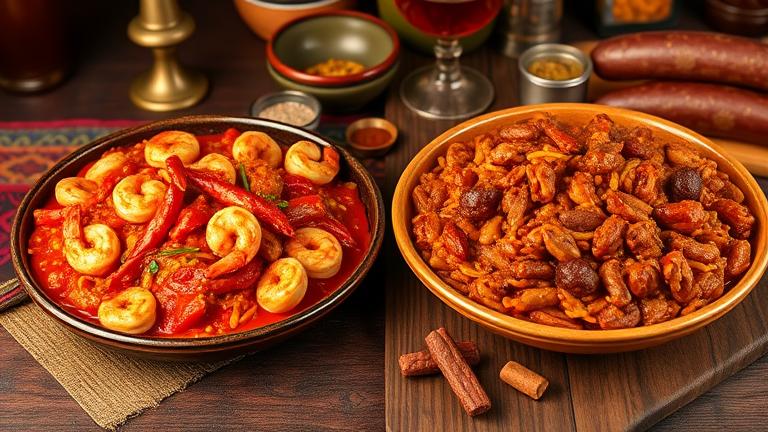
- Cajun Jambalaya: Known for its spicy kick and slower cooking process. It often uses smoked sausage and less tomato sauce, giving it a smoky, rustic flavor.
- Creole Jambalaya: Sometimes called “red jambalaya,” this version includes tomatoes and has a somewhat milder, richer flavor. It reflects the more European influences from New Orleans.
Both styles are delicious, and many cooks blend elements from each to suit their tastes. Understanding these differences helps you choose or even create your own unique version of jambalaya. Whether you prefer it spicy or mild, seafood or sausage, this dish offers endless possibilities to explore.
Creole vs. Cajun: Key Ingredient Differences
If you’ve ever wondered what sets Creole and Cajun jambalaya apart, understanding their main ingredient differences is a great place to start. Both styles are delicious Louisiana classics, but they reflect different regional tastes and culinary traditions through their unique ingredient choices.
Creole jambalaya tends to be more refined and uses a wider variety of ingredients. It often features fresh tomatoes, bell peppers, and onions, creating a richer and slightly tangy flavor. Meat options typically include sausage, chicken, and sometimes seafood like shrimp or crawfish. The use of tomatoes gives Creole jambalaya a distinctive reddish color and a more sauce-like consistency. This style is sometimes called “Louisiana Creole” because it blends influences from French, Spanish, and Caribbean cuisines.
Cajun jambalaya, on the other hand, is a heartier one-pot dish that emphasizes bold, smoky flavors. It usually skips tomatoes altogether, instead relying on a dark roux — a cooked mixture of fat and flour — to develop rich flavor. Cajun versions often use smoked sausage like andouille, chicken, and sometimes pork. Vegetables typically include bell peppers, onions, and celery, known as the “Holy Trinity” in Cajun cooking. The use of herbs and spices is more focused on cayenne, paprika, and black pepper, giving Cajun jambalaya a spicy kick.
Another key difference lies in ingredient freshness and preparation. Creole recipes might call for fresh ingredients and a more “saucy” approach, often simmered for a longer time to blend flavors. Cajun dishes are usually cooked quickly over high heat, with browning and caramelizing happening during the process, especially in making the roux. This creates a depth of smoky flavor that defines Cajun jambalaya.
Regional tastes also influence the choice of ingredients. Creole cuisine, with its European roots, embraces more vegetables and tomato-based sauces. Cajun cooking, influenced by French Acadian immigrants in rural areas, favors ingredients that add robustness and earthiness, like smoked meats and spices. These differences give each jambalaya its signature taste and appearance.
Here’s a quick comparison of key ingredients:
| Ingredient | Creole Jambalaya | Cajun Jambalaya |
|---|---|---|
| Tomatoes | Yes, fresh or canned | No |
| Meats | Sausage, chicken, seafood | Smoked sausage, chicken, pork |
| Spices | Slightly milder, herbs like thyme | Spicy, cayenne, paprika |
| Vegetables | Bell peppers, onions, celery, tomatoes | Bell peppers, onions, celery (Holy Trinity) |
| Cooking method | Simmered, longer cooking time | Quick-cooked, high heat, roux-based |
Understanding these ingredient differences helps you appreciate the unique flavors of each style. Whether you prefer the rich, tomato-inflected taste of Creole jambalaya or the smoky, spicy kick of Cajun, you can tailor your dish to reflect these regional traditions. Experimenting with ingredients also allows you to find the perfect balance that suits your palate.
Cooking Methods in Creole and Cajun Styles
When it comes to making jambalaya, the cooking methods in Creole and Cajun styles have some key differences. Both styles are rich in flavor and history, but their techniques set them apart. Understanding these differences can help you choose the right method for your taste or experiment with both to see which you prefer.
Creole Jambalaya Cooking Method
Creole jambalaya is often called “Louisiana-style” and is usually cooked with a more refined approach. It involves preparing a roux, which is a mixture of flour and fat cooked together until it turns a rich brown. This roux acts as a flavor base and thickening agent.
After the roux is ready, vegetables like bell peppers, onions, and celery — often called the “Holy Trinity” — are sautéed in the same pot, infusing the flavors. Then, diced tomatoes are added, giving the dish its characteristic reddish hue. The ingredients are combined with stock, spices, and sometimes sausage or seafood, and then simmered gently.
The key to creole jambalaya is its careful layering of flavors, with ingredients cooked in stages and gentle simmering. The result is a moderately thick, flavorful rice dish with a vibrant tomato component and a more refined texture. It’s often cooked in a large pot or Dutch oven, with attention to avoiding burning and ensuring even cooking.
Cajun Jambalaya Cooking Method
Cajun jambalaya, also known as “dirty rice,” has a different charm. The process typically begins with making a dark roux — cooked much longer than a creole roux — until it reaches a deep brown or almost black color. This creates a smoky, savory base full of rich flavor.
Once the roux is ready, vegetables are added and cooked quickly, often at higher heat. Cajun cooks tend to prefer a more rustic, less refined approach: the ingredients are stirred directly into the roux and cooked rapidly for a smoky depth. Chicken, sausage, or seafood are often browned separately and then added back into the pot.
The rice is added after everything is well mixed, and the dish is simmered until the rice absorbs all the flavors. Cajun jambalaya is typically thicker and chunkier, with a smoky, spicy flavor profile. It’s cooked in a large, heavy-bottomed pot — often an iron skillet or Dutch oven — to develop a dark, flavorful crust on the bottom, called the “socarrat” in other cuisines, which many Cajun cooks appreciate.
Comparing the Techniques
| Aspect | Creole Style | Cajun Style |
|---|---|---|
| Roux | Light to medium brown, cooked gently to develop a subtle nutty flavor. | Dark brown or black, cooked longer for smoky richness. |
| Vegetables | Sautéed with the roux, typically the “Holy Trinity” plus tomatoes. | Cooked quickly with the roux, often added with the rice, minimal vegetables. |
| Preparation | Layered, gentle simmering, and refined technique. | More rustic, rapid cooking, often with browning or frying ingredients separately. |
| Flavor profile | Plus a bright, tomato-based taste with herbs. | Smoky, spicy, with a hearty, “meaty” depth. |
| Cooking vessel | Large pot or Dutch oven, with attention to even heat. | Heavy-bottomed skillet or large pot, sometimes with a crispy bottom layer (socarrat). |
Both methods create delicious jambalaya, but your choice depends on your flavor preference and cooking style. Creole is a bit more refined, with a tomato sauce base, while Cajun offers a bolder, smoky taste with a chunkier texture. Experimenting with both techniques is a great way to discover your favorite version of this classic Louisiana dish.
Regional Flavors and Cultural Influences
Jambalaya is a flavorful dish that reflects the rich history and diverse culture of Louisiana. Its roots run deep in the region’s history, influenced by French, Spanish, African, and Native American traditions. Each variation of jambalaya brings its own unique twist, shaped by local ingredients and cultural preferences.
In the heart of Louisiana, particularly in New Orleans, you’ll find a version known as Creole jambalaya. This style typically includes a blend of meats such as chicken, sausage, and seafood. It’s cooked with a tomato-based sauce, giving it a vibrant, hearty flavor. Creole jambalaya often features aromatic spices like paprika, thyme, and cayenne, which add a hint of heat and depth.
Historical Influences
The history of jambalaya is intertwined with Louisiana’s multicultural background. French settlers introduced cooking techniques that used rice as a staple ingredient. Meanwhile, Spanish influence brought peppers and spices, making the dish spicy and bold. The African influence is seen in the use of smoked sausages like Andouille and the method of slow cooking to develop complex flavors. Native American ingredients such as local herbs and vegetables also play a part in shaping the dish.
Regional Variations
- Cajun Jambalaya: Known for its smoky flavor, Cajun jambalaya often uses smoked sausage and less tomato. Instead, it relies on a dark roux — cooked until deep brown — to build its rich taste. It’s hearty, often with a focus on local ingredients like crawfish or game meats.
- Criollo Jambalaya: As mentioned, this style incorporates tomatoes, giving it a red hue. It often has a more complex spice profile, with ingredients like bell peppers, onions, and celery — known as the “Holy Trinity” in Cajun cooking. Seafood is also popular here, especially shrimp and crab.
Geographical Influences
The proximity to the Gulf of Mexico means seafood plays a big role in many jambalaya recipes. Fresh shrimp, crab, and oysters are common additions, reflecting local availability. The climate and geography also influence the use of locally grown herbs and vegetables, such as bell peppers, okra, and onions, which add freshness and flavor.
Cultural Significance
Jambalaya is more than just a meal. It’s a symbol of community and celebration in Louisiana. Whether at family gatherings, festivals, or Mardi Gras, it brings people together. Each region’s twist on jambalaya tells a story of its people’s history, environment, and culture.
When cooking jambalaya, consider these influences to create a dish that reflects its vibrant origins. Use traditional ingredients where possible, but don’t be afraid to experiment with local flavors from your own area. The beauty of jambalaya is its versatility, allowing it to adapt to different tastes while honoring its rich heritage.
Tips for Making Authentic Jambalaya at Home
If you’re eager to recreate the bold flavors of Creole and Cajun jambalaya, a few simple tips can make a big difference. Authentic jambalaya is all about layering flavors and using the right ingredients, so don’t rush the process. With a little patience and attention, you can bring the taste of Louisiana into your home kitchen.
First, choose the right type of rice. Long-grain white rice works best because it stays fluffy and doesn’t get mushy. Rinse the rice thoroughly before cooking to remove excess starch, which can make the dish sticky. Some cooks prefer to cook the rice separately and add it later to prevent overcooking, especially if you plan to make a large batch.
When it comes to meat, traditional jambalaya uses a combination of sausage, chicken, and sometimes seafood. For an authentic flavor, opt for andouille sausage, which is smoky and slightly spicy. Brown the sausage first in your pot, then remove it and set aside. The browned bits left behind, called fond, are packed with flavor and essential for a rich base.
One key to authentic jambalaya is building a flavorful base with the “holy trinity”: onions, bell peppers, and celery. Dice these vegetables finely and cook them slowly in some oil until they soften and release their aromas. Don’t rush this step, as it creates a savory foundation for the dish.
For seasoning, traditional Creole jambalaya often includes thyme, bay leaves, and hot sauce, while Cajun jambalaya is spicier and may contain paprika and cayenne pepper. Use these spices sparingly at first, then taste and adjust. Remember, it’s better to add more later than to overpower the dish from the start.
In terms of liquids, use chicken broth or stock instead of water. This adds depth and richness to your jambalaya. Pour the stock into the pot gradually as the rice cooks, allowing it to absorb the flavors and avoid getting soupy. Keep the heat at a gentle simmer and avoid stirring too much once the rice is added, so the grains stay separate and fluffy.
To achieve authentic Cajun or Creole flavors, consider adding a splash of hot sauce or a dash of Worcestershire sauce toward the end of cooking. These ingredients enhance the overall flavor without masking the dish’s natural taste.
- Tip: For extra smoky flavor, add a few drops of liquid smoke or cook the sausage until very browned.
- Tip: Always taste your jambalaya before serving and adjust seasoning as needed.
- Tip: Let the jambalaya rest for 10 minutes after cooking. This helps the flavors meld and makes serving easier.
By following these tips, you’ll be on your way to making a delicious, authentic jambalaya right in your own kitchen. Remember, practice makes perfect, so don’t be afraid to experiment with different spices and ingredients to find your favorite version of this classic Louisiana dish.