
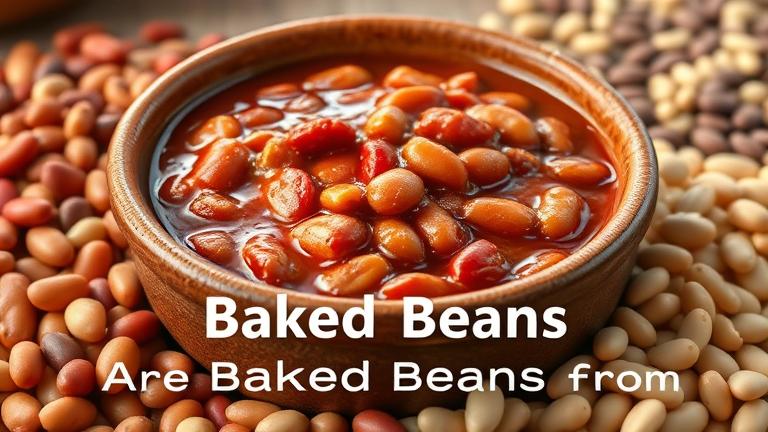
The Beans Behind the Baked: Exploring the Types Used in Baked Beans
Understanding the different types of beans used in baked beans reveals how their unique characteristics influence flavor and texture. Navy beans are among the most popular because of their small, oval shape and mild flavor. When cooked, they become wonderfully soft and are budget-friendly, which makes them ideal for everyday recipes. Their ability to absorb seasonings enhances their taste, making them a staple in baked bean dishes.
Another common bean in baked beans is the kidney bean. These larger, kidney-shaped beans have a hearty flavor and maintain their firmness during cooking. Their chewy texture adds a satisfying bite to baked beans, and they boost nutritional value with high protein and fiber content.
Beyond navy and kidney beans, a variety of other beans find their way into baked beans recipes. Pinto beans, for instance, lend a creamy texture and earthy flavor, making them highly versatile. Cannellini beans are known for their mild, smooth flavor, offering a different variation. The choice of beans often depends on regional preferences and desired flavors, with each variety affecting the final dish’s taste and consistency. This diversity makes baked beans a beloved comfort food across many cultures.
From Field to Plate: How Baked Beans Are Cooked and Prepared
Baked beans are cherished worldwide, partly because of their rich cooking tradition and flavorful ingredients. The process starts by soaking dried beans, which helps reduce cooking time and makes them easier to digest. Proper soaking ensures tender beans that absorb the flavors of seasonings more effectively.
After soaking, the beans are seasoned with a mixture of herbs and spices such as garlic, onion, paprika, and sometimes sweeteners like molasses or brown sugar. These ingredients create the characteristic savory and sweet flavor profiles typical in baked beans. The seasoned beans are then slow-cooked, either on the stovetop, in a slow cooker, or baked in the oven for a deeper, caramelized flavor.
Oven baking, in particular, develops a slightly crispy top layer, adding texture and visual appeal. The slow cooking process allows the flavors to meld and the beans to become tender. Many recipes also include ingredients like bacon or smoked sausages, which intensify the smoky, savory flavor. The finished dish is hearty and customizable, permitting home cooks to experiment with different seasonings and ingredients.
For a detailed guide on mastering bean preparations, including tips for perfect baked beans, visit our comprehensive cooking guide.
A Bite of History: The Cultural Significance of Baked Beans Around the World
Baked beans are more than just a meal; they embody cultural history and social tradition in many countries. Indigenous American communities have cultivated beans for centuries, considering them vital to their diets and culinary practices. These early preparations often involved native herbs and cooking techniques passed down through generations, as detailed in Farmonaut.
European settlers adapted native recipes, incorporating local ingredients and methods which led to the diverse baked bean dishes we see today. In Britain, for example, baked beans became a pantry staple in the 19th century, especially after canned versions arrived on the market, making them accessible and easy to prepare (Source: Test Food Kitchen). Meanwhile, in the United States, baked beans became associated with regional barbecue traditions and family cookouts, symbolizing community and shared heritage.
Today, baked beans continue to serve as a symbol of comfort and cultural identity, reflecting both historical roots and contemporary tastes. Their versatility and enduring popularity showcase their importance in global cuisine, linking past to present through flavor and tradition.
Nutritious and Delicious: Health Benefits and Nutritional Insights of Baked Beans
Baked beans are packed with nutrients that support overall health. They are an excellent source of dietary fiber, which plays a crucial role in promoting healthy digestion and regulating blood sugar levels. Dietary fiber intake is linked with a reduced risk of heart disease and improved weight management (Source: Farmonaut).
Additionally, baked beans provide high-quality protein, essential for muscle repair and immune strength. They are rich in key micronutrients such as iron, magnesium, and B vitamins, which help with energy production and metabolic health (Source: Farmonaut). Regular consumption can aid in lowering LDL cholesterol levels thanks to soluble fiber, contributing to better heart health.
Incorporating baked beans into balanced meals can enhance nutrient intake while maintaining a reasonable calorie content. Their versatility allows them to complement various dishes, making them a smart choice for health-conscious individuals seeking nutritious options. Overall, baked beans not only satisfy the palate but also bolster bodily functions through their rich nutrient profile.
Beans Around the Globe: Varieties of Beans Used in Baked Beans Worldwide
The diversity of beans used in baked bean recipes reflects regional culinary traditions and local ingredients. In the United Kingdom, navy beans are typically featured, cooked with tomato sauce, molasses, and salt pork to create a sweet and savory flavor reminiscent of British comfort food (Source: Test Food Kitchen). In contrast, France favors flageolet or lingot beans, often simmered with herbs, garlic, and sometimes served with Dijon mustard, emphasizing a herbaceous complexity.
Mexican baked beans commonly include pinto or black beans, seasoned with chili, cumin, and spices to produce a spicy, robust profile that complements traditional dishes. Italy employs chickpeas combined with olive oil, garlic, and fresh herbs to create Mediterranean-style baked beans, showcasing regional flavor profiles.
Ingredients like smoked meats in Southern US recipes or sweeteners such as molasses in Canadian styles further illustrate regional influences. These cultural variations highlight how local flavors, ingredients, and pantry staples shape baked bean recipes around the world. Their adaptability underscores baked beans’ global appeal and cultural significance.
Tips for Perfect Baked Beans: Secrets to Making the Best Batch Every Time
Achieving perfect baked beans relies on quality ingredients and careful cooking techniques. Starting with good-quality dried or canned beans is essential; soaking dried beans beforehand encourages even cooking and enhances flavor absorption. Proper seasoning with aromatics like onions, garlic, and spices at the start ensures depth of flavor (Source: Test Food Kitchen).
Slow simmering the beans on low heat or baking at a gentle temperature helps develop tenderness without falling apart. Incorporating acid such as vinegar or tomato sauce towards the end of cooking balances flavors and prevents the beans from becoming mushy. Regular taste testing during cooking allows for adjustments to salt and seasonings, ensuring flavor harmony.
Using a good seasoning blend and avoiding high heat during the final stages prevent overcooking. Giving baked beans time to rest allows flavors to meld, resulting in a more cohesive dish. Experts suggest gentle stirring and patience as essential elements to crafting the perfect batch every time.
For more expert insights, visit our comprehensive guide to baked bean perfection.
Sources
- Alachua Chronicle – Alachua County Seeks Input on Potential Local Food Hub
- Farmonaut – Top 5 Agriculture Management System Software Solutions 2025
- Farmonaut – Variable Rate Technology in Agriculture 2025
- Test Food Kitchen – How to Boil Frozen Raw Shrimp
- Test Food Kitchen – How to Make Perfect Baked Beans