
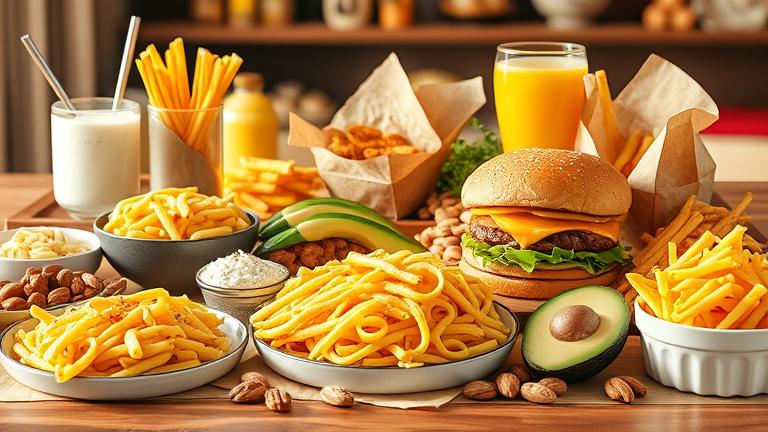
High-Calorie Foods Everyone Should Know
If you’re looking to gain weight or simply want to add more energy-dense foods to your diet, understanding which foods are high in calories can be very helpful. These foods pack a lot of nutrients and energy into small portions, making them easy to include in your daily meals. Whether you’re aiming to build muscle, recover from illness, or just enjoy hearty, satisfying dishes, knowing these high-calorie options is a great start.
Many common ingredients and dishes are naturally high in calories but are also rich in healthy fats, proteins, or complex carbs. Incorporating these into your meals can boost your calorie intake without needing large quantities. Let’s explore some of the most popular high-calorie foods that everyone should know about.
Foods Rich in Healthy Fats
- Nuts and Nut Butters: Almonds, peanuts, cashews, and their butters are calorie-dense. A small handful of nuts or a tablespoon of peanut butter can add a good amount of calories and healthy fats to your snack or meal.
- Avocados: This green fruit is high in monounsaturated fats and calories. Slice some avocado onto toast, salads, or blend it into smoothies for extra energy.
- Olive Oil and Other Healthy Oils: Using olive oil in cooking or drizzling over vegetables adds calories and health benefits. One tablespoon provides about 120 calories.
High-Calorie Protein Sources
- Fatty Fish: Salmon, mackerel, and sardines are rich in omega-3 fatty acids and calories. Including these in your diet boosts both your calorie intake and your health.
- Meats and Poultry with Fat: Cuts like ground beef, pork shoulder, and chicken thighs contain more calories than leaner options.
- Eggs: Eggs are a versatile, nutrient-rich, high-calorie food. Adding extra eggs or using whole eggs in recipes enhances calorie content.
Carbohydrate-Dense Foods
- Whole Grains: Quinoa, oats, brown rice, and whole wheat bread are nutritious and calorically dense options that provide lasting energy.
- Dried Fruits: Raisins, dates, and apricots are concentrated sources of natural sugars and calories. They make excellent snacks or additions to cereals and yogurt.
- Starchy Vegetables: Potatoes, sweet potatoes, and peas are high in carbs and calories. Roast or mash them for tasty, energy-rich side dishes.
Rich Dishes and Snacks
Some ready-to-eat meals and snack ideas are naturally high in calories. For example, smoothies made with fruit, nut butters, and milk, or hearty stews with meat and potatoes, can be both satisfying and calorie-dense.
It’s important to balance high-calorie foods with nutritious choices. Incorporate a variety of these foods into your meals rather than relying on processed or sugary options. A practical tip is to add nuts or avocado to salads or sandwiches to boost calories naturally.
Healthy Options for Healthy Weight Gain
If you’re looking to gain weight in a healthy way, choosing nutrient-rich foods is key. Increasing your caloric intake doesn’t mean you have to eat processed or sugary foods. Instead, focus on nutritious options that give your body the essential vitamins and minerals it needs, along with extra calories to support healthy weight gain.
Balancing your diet is important to ensure you’re not just adding empty calories but nourishing your body. Here are some practical, tasty food choices and tips to help you achieve your goals safely and effectively.
Focus on Nutrient-Dense Foods
Incorporate foods that are high in healthy fats, proteins, and complex carbohydrates. These provide more calories per serving and support overall health. For example, add avocados to salads or sandwiches. They’re loaded with heart-healthy fats and calories.
Next, include nuts and seeds such as almonds, walnuts, chia seeds, or flaxseeds. Snack on a handful or add them to yogurt and oatmeal for extra calories and nutrients. Nut butters like peanut or almond butter are also excellent choices—spread them on whole-grain bread or toss them into smoothies.
Choose Whole, Unprocessed Foods
Eating whole, minimally processed foods ensures you’re getting clean calories and vital nutrients. Whole grains like brown rice, oats, and whole wheat bread provide sustained energy and fiber. Incorporate starchy vegetables like sweet potatoes, squash, and peas to boost calorie intake naturally.
When adding protein, opt for lean meats like chicken, turkey, or fish. Plant-based options like beans, lentils, and tofu are also rich in protein and calories. Including a variety of these helps support muscle growth and overall health.
Eat More Frequently and in Larger Portions
Instead of three big meals, try eating five to six smaller meals or snacks throughout the day. This makes it easier to increase your calorie intake without feeling overly full. For example, have a smoothie in the morning, a handful of nuts as a snack, and a hearty lunch and dinner.
When serving portions, don’t shy away from larger servings, especially of energy-dense foods. Keep healthy snacks like trail mix or cheese and crackers nearby for quick calorie boosts.
Tips to Maximize Your Calorie Intake
- Add healthy oils like olive or coconut oil to your cooking and dishes.
- Include dairy products like full-fat yogurt, cheese, and milk if tolerated.
- Drink smoothies or shakes made with fruit, milk, and nut butters for a concentrated source of calories.
- Limit empty-calorie foods like candies or sodas, which can contribute to weight gain but lack nutrients.
Be mindful of your body’s signals. Focus on gaining weight gradually, aiming for about 1-2 pounds per week if possible. This helps ensure the gain is mostly muscle rather than fat, supporting your overall health.
Snacks That Help You Gain Weight Fast
If you want to increase your calorie intake quickly, choosing the right snacks is essential. The best snacks are convenient, tasty, and packed with healthy calories. They can help you gain weight steadily without feeling deprived. Whether you’re trying to bulk up or just find it hard to eat enough, these snack options can make a big difference.
Knowing how much to eat and how to pair foods can maximize your calorie intake. Small adjustments in portion sizes and combining high-calorie foods with others can boost your overall daily calories. Let’s explore some practical snack ideas and tips to help you gain weight fast and enjoy every bite.
Top High-Calorie Snack Options
- Nuts and Nut Butters: Almonds, peanuts, and cashews are calorie-dense and full of healthy fats. Spread peanut butter on toast or add a handful to yogurt for extra calories.
- Dried Fruits: Apricots, dates, raisins, and cranberries are sweet, easy to pack, and loaded with natural sugars and nutrients. Mix dried fruits with nuts for a satisfying trail mix.
- Granola and Energy Bars: Look for bars with nuts, seeds, and dried fruits. These are convenient for on-the-go snacking and add calories to your day.
- Cheese and Whole Grain Crackers: Cheese provides protein and fat, while crackers add fiber and carbs. Pairing them makes a tasty, high-calorie snack.
- Avocado: Rich in healthy fats, sliced avocado on toast or mixed into smoothies can significantly boost your calorie intake.
- Yogurt with Additions: Full-fat Greek yogurt mixed with honey, nuts, or granola makes a creamy, calorie-rich snack.
Tips for Portion Sizes and Pairing Foods
When snacking to gain weight, portion sizes matter. Don’t be shy about eating larger servings, but do so gradually to prevent digestive discomfort. Start by doubling your usual portion and adjust based on your comfort level.
Pair high-calorie foods together to create more filling snacks. For example, combine nuts with dried fruit, or spread nut butter on whole grain bread. Adding a splash of olive oil to salads or spreading cheese on crackers can also add extra calories without much effort.
Consistent snacking throughout the day helps increase your calorie intake without feeling overwhelmed. Aim to have a small, high-calorie snack every two to three hours if possible.
Another useful tip is to add liquids like smoothies or milkshakes between meals. They are easy to consume and can pack a calorie punch with ingredients like bananas, oils, and protein powders.
- Be mindful of portions: Larger servings help, but listen to your body’s signals.
- Mix and match: Combine different food groups for variety and better nutrition.
- Snack frequently: Regular intake throughout the day supports steady weight gain.
By choosing nutritious, calorie-dense snacks and paying attention to portion sizes, you can make steady progress toward your weight gain goals. Remember, consistency is key, and incorporating a variety of tasty options keeps your journey enjoyable and sustainable.
Meal Ideas to Boost Calorie Intake
If you’re looking to gain weight or simply want to increase your daily calorie intake, choosing the right meals can make a big difference. The key is to focus on nutritious, calorie-dense foods that keep you energized throughout the day. Here are some practical meal ideas for breakfast, lunch, and dinner that can help you add more calories in a tasty way.
Breakfast Options
Starting your day with a high-calorie breakfast sets the tone for sustained energy. Consider options like oatmeal topped with nut butter and sliced bananas or berries. Adding a handful of walnuts or almonds boosts calories and provides healthy fats. You can also blend a smoothie with full-fat Greek yogurt, milk, honey, oats, and your favorite fruits. Don’t forget to add a scoop of protein powder or nut butter for extra calories.
Another tasty idea is eggs cooked in butter or olive oil alongside whole-grain toast smeared with avocado or cream cheese. Pair these with a glass of whole milk or a fortified plant-based alternative. These choices supply both protein and healthy fats, helping increase your calorie count without making you feel overly full.
Lunch Ideas
For lunch, aim for hearty sandwiches or salads with calorie-rich ingredients. A turkey and cheese sandwich on whole wheat bread with mayonnaise or avocado is filling and high in calories. Include a side of sweet potato fries or a handful of trail mix for added energy.
If you prefer salads, add ingredients like nuts, seeds, cheese, roasted chicken, or beans. Drizzle with olive oil-based dressing to add healthy fats. A grain bowl with brown rice, grilled vegetables, hummus, grilled chicken or salmon, and a sprinkle of cheese can also provide a nutritious, calorie-dense meal.
Soups can be made more calorie-friendly by adding ingredients like cream, butter, or coconut milk. A hearty chili with beans, ground meat, and cheese or a creamy vegetable soup can keep you full and satisfied while increasing your calorie intake.
Dinner Suggestions
Dinners are an excellent opportunity to incorporate calorie-dense foods. Roasted chicken or beef served with mashed potatoes, buttered pasta, or creamy sauces can add significant calories. Incorporate healthy fats like olive oil, cheese, or avocado in your dishes.
Stir-fries with plenty of vegetables, protein (tofu, chicken, beef, or shrimp), and a generous splash of sesame oil or coconut milk can be both delicious and high in calories. Consider pasta baked with cheese and ground meat or lasagna for a filling, calorie-rich meal.
Adding nuts or seeds as toppings on salads, rice bowls, or casseroles enhances the calorie content and adds texture and flavor. Ending the day with a dessert like Greek yogurt with honey, granola, and fruit or baked goods made with butter or oil can also help increase total calorie intake.
- Tips for increasing calories: Use healthy fats like olive oil, nut butters, and avocados.
- Include snacks between meals, such as trail mix, cheese, or smoothies.
- Mix nutrient-dense ingredients into everyday meals to boost calorie count.
Focusing on nutritious, calorie-rich foods in your meals, combined with smart additions like nuts, oils, and dairy, can help you reach your weight gain goals without sacrificing flavor. Experiment with different ingredients and flavors to find what tastes best for you.
Understanding Nutrients for Weight Gain
Gaining weight in a healthy way starts with understanding the key nutrients your body needs. These include proteins, carbohydrates, and fats. Each one plays a special role in helping you build muscle, store energy, and stay healthy.
Proteins are like the building blocks for your muscles. When you eat protein-rich foods, such as chicken, fish, eggs, or beans, your body uses these to repair and grow muscle tissue. This is especially important if you’re trying to gain weight and muscle mass. Without enough protein, your weight gain might come from fat rather than muscle, which isn’t ideal for your health.
Carbohydrates give you the energy you need for daily activities and workouts. Foods like bread, rice, pasta, fruits, and vegetables provide complex carbs that give you energy steadily over time. When you consume carbs, your body turns them into glucose, which fuels your muscles and brain. Having enough carbs in your diet ensures you can exercise well and support muscle growth, making your weight gain healthier.
Fats often get a bad reputation, but they are essential for good health, especially when you want to gain weight. Healthy fats found in nuts, seeds, avocados, and olive oil help you store energy and also support hormone production. Fats are calorie-dense, meaning they pack a lot of energy into a small amount of food. That makes them helpful if you’re trying to increase your calorie intake without eating enormous portions.
Balancing these nutrients is important. Eating too much protein without enough carbs and fats can limit your energy, while too much fat might lead to unwanted fat gain instead of muscle. A balanced approach includes a variety of nutrient-rich foods from different groups.
Here are some tips for ensuring you get enough of each nutrient:
- Include a good source of protein at every meal. Think chicken, fish, eggs, dairy, or plant-based options like beans and lentils.
- Eat carbs like whole grains, fruits, and vegetables to maintain energy levels throughout the day.
- Add healthy fats to your diet, such as nuts, seeds, olive oil, or avocado, to boost calorie intake naturally.
Common Mistakes to Avoid
- Relying only on high-fat foods or junk foods that are high in unhealthy fats and sugars. These can lead to unhealthy weight gain and other health problems.
- Not eating enough calories overall, which can make healthy weight gain difficult.
- Ignoring the importance of protein, especially if you’re active and want to build muscle.
Remember, gaining weight should be a gradual process. Focus on nourishing your body with a variety of nutrient-dense foods. This way, you encourage healthy weight gain that supports muscle growth and overall well-being.
Foods to Avoid When Trying to Gain Weight
If you want to gain weight in a healthy way, it’s just as important to know which foods to limit or avoid. Not all calorie-dense foods help you build muscle and healthily increase your weight. Some can hinder your progress or even harm your health over time. Here are some common foods to watch out for when trying to gain weight safely.
First, avoid foods high in added sugars. These include candies, sodas, baked goods like cookies and doughnuts, and sugary cereals. While they contain a lot of calories, they offer little nutritional value. Relying on sugary foods might lead to energy spikes and crashes, as well as weight gain that favors fat accumulation instead of muscle. Instead, aim for nutrient-rich sources that give you vitamins, minerals, and healthy fats.
Next, stay cautious with fried foods. Items like fried chicken, French fries, and fried snacks are tempting because they’re tasty and calorie-dense. However, they are often loaded with unhealthy trans fats and excess oil. Eating too much fried food can increase bad cholesterol levels and cause inflammation, which isn’t ideal for a healthy weight gain plan. It’s better to choose baked or grilled versions of your favorite dishes.
Limit your intake of processed snacks. Chips, crackers, and snack bars can seem like quick stops for calories, but many are loaded with preservatives, artificial flavors, and excess salt. These ingredients don’t support muscle growth or overall health. Over time, consuming too many processed foods can lead to unwanted health issues like high blood pressure or insulin resistance.
Watch out for refined grains as well. White bread, white rice, and many pasta products are made from refined flour. These foods are stripped of fiber and nutrients, leading to rapid spikes in blood sugar. This can cause cravings for more unhealthy foods and make gaining weight more challenging in a healthy way. Whole grains such as brown rice, oats, and whole wheat bread are better choices because they provide lasting energy and support digestion.
Also, be cautious about excessive alcohol consumption. Alcoholic drinks are calorie-rich but offer no essential nutrients. Drinking too much can reduce your appetite, impair nutrient absorption, and hinder muscle growth. It’s fine to enjoy a drink occasionally, but moderation is key.
Finally, avoid foods with artificial trans fats, which are often found in margarine, some baked goods, and processed snacks. These fats can increase your risk for heart disease and inflammation, which are not signs of healthy weight gain.
In summary, focus on whole, nutrient-dense foods and limit those high in added sugars, unhealthy fats, and processed ingredients. Snack smart and choose foods that fuel your body with the nutrients it needs to gain weight in a healthy and sustainable way.
Tips for Incorporating Weight Gain Foods
Gaining weight in a healthy way involves more than just eating more calories. It’s about choosing nutritious, calorie-dense foods and finding easy ways to include them in your daily routine. Here are practical tips to help you incorporate weight gain foods smoothly and effectively.
1. Plan Your Meals Ahead
Start by planning your meals and snacks for the week. This helps ensure you include plenty of calorie-rich foods like nuts, seeds, avocado, and whole grains. When you plan ahead, you’re less likely to skip meals or rely on less nutritious options. Consider batch cooking or prepping ingredients in advance, so you always have healthy options ready.
2. Keep Nutritious, Calorie-Dense Foods Visible
Make sure foods like nuts, trail mix, cheese, and nut butters are placed where you can easily see and reach them. Having these on hand encourages snacking and makes it easier to add extra calories without much effort. For example, spread peanut butter on whole-grain toast or add cheese to your sandwiches for extra flavor and calories.
3. Add Healthy Fats to Every Meal
Healthy fats are a great way to boost calories and nutrition. Incorporate foods like avocado, olive oil, coconut oil, and fatty fish into your meals. Drizzle olive oil over salads or cooked vegetables, blend avocado into smoothies, and add a handful of nuts to yogurt. These small additions can significantly increase the calorie content without making your meals feel heavy.
4. Use Calorie-Boosting Additions
Boost your meals by adding ingredients that add calories without adding bulk. Examples include full-fat dairy products, honey, dried fruits, or granola. For breakfast, top your oatmeal with nuts and dried fruit. Add cheese or creamy dressings to salads and veggies.
5. Incorporate Snacks Into Your Routine
Healthy snacks between meals can fill in the calorie gaps. Good options include yogurt, smoothies, trail mix, cheese, and whole-grain crackers with hummus. Carry portable snacks with you so you can snack on the go without missing out on calories.
6. Practice Mindful Eating
Eat slowly and pay attention to your hunger cues. This helps you enjoy your meals more and can prevent overeating later. When you’re mindful, it’s easier to identify when you need to add another small portion or snack to meet your daily calorie goals.
7. Experiment and Find What Works
Everyone’s taste is different. Don’t hesitate to try new recipes or foods that can help you reach your weight gain goals. For instance, adding smoothies with protein powder or making energy bites with nuts and dried fruits are tasty, nutritious options.
8. Avoid Common Mistakes
- Don’t rush through meals — take your time to enjoy and digest your food.
- Watch out for too much processed or sugary foods, which can lead to unwanted health issues.
- Balance your high-calorie foods with fruits and vegetables to keep your diet nutritious.
By planning ahead, making smart ingredient choices, and listening to your body, you can incorporate weight gain foods into your daily routine with ease. These practical tips help you gain weight healthily while still enjoying your meals and snacks.