
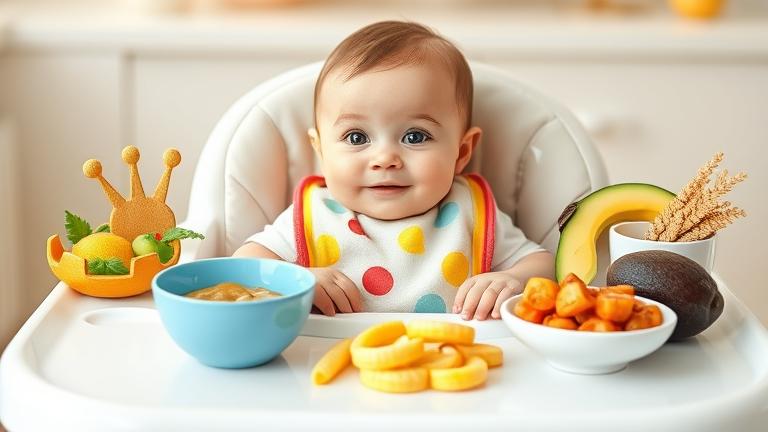
Ideal Foods for 8-Month-Old Babies
Introduction to Baby Food at 8 Months
At 8 months old, your baby is becoming more curious about new tastes and textures. This is a fun and important stage for introducing a variety of healthy foods. The goal is to provide nutritious options that support growth, development, and self-feeding skills.
Remember, at this age, babies are still learning to chew, so soft, easy-to-swallow foods are best. Always check that foods are cut into small pieces to prevent choking. Properly preparing and introducing new foods helps your baby develop healthy eating habits for life.
YouTube video embed code:
Best Food Choices for 8-Month-Old Babies
Here are some ideal foods that are safe, nutritious, and suitable for your little one.
- Vegetables: Cooked and pureed or chopped soft vegetables like sweet potatoes, carrots, peas, squash, and green beans provide essential vitamins. These are easy to digest and packed with nutrients.
- Fruits: Soft, ripe fruits like mashed bananas, cooked apples, pears, peaches, and avocados are perfect for babies. They add natural sweetness and are gentle on the stomach.
- Grains and Cereals: Iron-fortified cereals such as oatmeal, rice, or barley can be mixed with breast milk or formula. They help meet energy needs and support brain development.
- Proteins: Well-cooked, minced, or pureed meats like chicken, turkey, or beef provide necessary protein. Soft-cooked egg yolks (avoiding whites initially to check for allergies) are also good options.
- Dairy: Small amounts of plain yogurt and cheese (such as shredded mild cheddar) are great sources of calcium. Avoid sugary or flavored options.
- Legumes: Well-cooked lentils, beans, and chickpeas are nutritious and provide fiber. These can be mashed or pureed for easy eating.
Tips for Preparing and Serving Foods
– Always ensure foods are cooked until soft.
– Cut foods into small, manageable pieces to prevent choking.
– Introduce new foods gradually, waiting a few days before offering something different to watch for allergies.
– Mix familiar tastes with new ones to encourage acceptance.
Foods to Avoid at 8 Months
– Whole nuts or chunks of nuts that can be a choking hazard.
– Honey, due to the risk of botulism.
– Salt or sugar added to foods.
– Foods that are hard, sticky, or difficult to chew.
– Uncooked or undercooked eggs and meats.
Storage Tips for Baby Foods
| Food Type | Storage Duration | Tips |
| Pureed vegetables and fruits | 24-48 hours in the fridge | Store in airtight containers. |
| Cooked meats | Up to 2 days in the fridge | Reheat thoroughly before serving. |
| Prepared cereals | 1-2 days | Keep in sealed containers. |
| Frozen purees | Up to 3 months | Label with date for freshness. |
Providing a variety of healthy, age-appropriate foods helps support your baby’s growth. Keep offering new tastes and textures, and enjoy this exciting stage of your baby’s development.
Popular Foods for Your Baby’s Stage
When your baby reaches a new stage in their development, it’s exciting to introduce new foods. During this time, certain fruits, vegetables, and grains become favorites because they are easy to digest and packed with nutrients. Knowing which foods are popular and safe can help you plan healthy meals that your little one will enjoy.
At this stage, most babies are starting to develop better chewing skills and can handle a variety of textures. It’s a good idea to offer a mix of fruits, vegetables, grains, and small amounts of protein. These foods not only support growth but also help develop your baby’s taste buds and eating habits.
Fruits That Babies Love
- Bananas: Soft, sweet, and easy to mash, bananas are a top choice for babies. They are rich in potassium and provide quick energy.
- Avocado: Creamy and healthy, avocados are packed with healthy fats that support brain development. Mash well for easy eating.
- Apples and Pears: These fruits are best when cooked and pureed to prevent choking. They are gentle on your baby’s tummy and naturally sweet.
Vegetables That Are a Hit
- Sweet Potatoes: Naturally sweet and smooth when cooked, sweet potatoes are a nutritious choice rich in vitamins A and C.
- Carrots: Cooked and pureed carrots are mild and appealing, providing beta-carotene for eye health.
- Pumpkin: Rich in fiber and antioxidants, pumpkin is another favorite that blends well with other foods.
Grains and Cereals
- Rice Cereal: Easy to digest and often fortified with iron, rice cereal is a common first grain.
- Oatmeal: Mild and filling, oatmeal can be prepared with water or breast milk for added flavor.
- Barley: Nutritious and gentle, barley can be cooked and blended into purees or mixed with other foods.
Protein-Packed Foods
Once your baby is comfortable eating fruits and vegetables, small amounts of protein are a great addition. Options include well-cooked and pureed chicken, turkey, or soft beans. These foods are essential for muscle growth and overall development.
Safety Tips and Tips for Success
- Always check the texture: foods should be soft and smooth to prevent choking.
- Introduce new foods one at a time: this helps identify any allergies or sensitivities.
- Wait a few days before trying a new food: observe for reactions like rashes or stomach upset.
- Avoid honey and whole nuts at this stage: honey can cause botulism, and nuts are choking hazards.
Remember, every baby is unique. Some might love a new food immediately, while others take time to warm up to it. Keep offering a variety of healthy options and enjoy discovering new favorites together. By providing a balanced selection of popular, safe foods, you help lay the foundation for a lifetime of healthy eating habits.
Feeding Tips for 8-Month-Olds
Feeding an 8-month-old can be both exciting and a little challenging. At this age, babies are developing their eating skills, and it’s a great time to introduce new textures and flavors. With some practical tips, you can make feeding enjoyable and safe for your little one. Remember, each baby is different, so it’s important to observe their cues and preferences.
One of the key points to keep in mind is consistency. Try offering meals at regular times each day to help establish a routine. This not only helps your baby know what to expect but also encourages healthy eating habits as they grow. Keep in mind that babies at this stage are still learning how to swallow and chew, so choose soft, mashable foods that are easy to manage.
Introducing New Foods
- Start with single-ingredient purees or soft mashed foods. For example, mashed sweet potatoes, applesauce, or mashed banana are popular options.
- Introduce one new food at a time, waiting about three to five days before trying something different. This helps you notice any allergic reactions or sensitivities, such as rashes, swelling, or digestion issues.
- Offer a variety of fruits, vegetables, grains, and protein sources. This encourages your baby to develop a taste for different flavors and nutrients.
Safety Tips for Feeding
- Always supervise your baby during meals to prevent choking. Make sure foods are cut into small, manageable pieces.
- Ensure the feeding utensils are safe, preferably soft silicone spoons that won’t hurt their gums.
- Avoid foods that pose choking hazards, such as whole grapes, nuts, popcorn, or chunks of raw vegetables.
Adding More Texture
By 8 months, many babies are ready to try foods with more texture than purees. You can start offering small, soft finger foods like well-cooked pasta, soft cooked carrots, or small pieces of cheese. Always check that the pieces are small enough to prevent choking.
Encouraging Self-Feeding
Let your baby try feeding themselves with their fingers or an appropriate spoon. This helps develop motor skills and increases their interest in eating. Be patient, and expect some mess it’s part of the learning process!
Staying Hydrated
At this age, your baby may start drinking small amounts of water with meals. Use a sippy cup or small open cup to introduce this habit. Remember, breast milk or formula should still be the main source of nutrition until around 12 months.
Common Mistakes to Avoid
- Forcing your baby to eat if they turn away. Respect their cues and try again later.
- Offering new foods on a busy or stressful day. Choose relaxed moments for trying new tastes.
- Using foods that are too hard or sticky, which can be choking hazards.
With patience and attention, feeding your 8-month-old can become a fun and bonding experience. Remember to keep a calm environment, watch for signs of fullness, and always prioritize safety. Over time, your baby’s palate will expand, and mealtimes will turn into a delightful exploration of new tastes and textures.
Baby Food Safety Essentials
Feeding your baby can be a joyful and rewarding experience, but safety should always come first. Ensuring that the foods you offer are safe and healthy helps promote your baby’s growth and prevents illness. In this section, we’ll go over key safety guidelines to help you navigate baby food preparation and storage with confidence.
Wash Hands and Surfaces
Before preparing baby food, always wash your hands thoroughly with soap and water. Clean your countertops, cutting boards, and utensils to prevent bacteria from transferring to the food. This simple step is one of the most effective ways to keep your baby safe from potential pathogens.
Choose Fresh and Properly Stored Ingredients
Select fresh fruits, vegetables, meats, and other ingredients. Check for any spoilage signs like mold, bad smells, or sliminess. Proper storage is crucial; keep perishables refrigerated at 40°F (4°C) or below and use them before their expiration dates.
Cook Food Thoroughly
Always cook foods to appropriate temperatures to kill harmful bacteria. For example, cook meats until they reach an internal temperature of 165°F (74°C). Vegetables and grains should be soft enough for your baby to swallow easily. Use a food thermometer if needed to ensure thorough cooking.
Puree and Mash Properly
When preparing purees or mashed foods, make sure they are smooth enough for your baby’s age. Strain out any lumps or large pieces that could pose a choking risk. Don’t forget to test the temperature before feeding foods should be warmed to just above room temperature but not hot.
Safe Storage and Handling
Store baby food in clean, airtight containers. Refrigerate leftovers promptly within two hours of preparation. When freezing, use small portions to thaw easily. Label containers with dates so you can keep track of freshness.
Always discard any leftover food that has been out for more than one hour or shows signs of spoilage, such as a foul smell or mold. Avoid reusing partially eaten jars or containers to prevent bacterial growth.
Beware of Potential Allergens
Introduce new foods one at a time and wait three to five days before adding something new. Monitor your baby for any allergic reactions like rashes, swelling, or difficulty breathing. Consult your doctor about allergy concerns and safe food introduction timelines.
Common Mistakes to Avoid
- Feeding foods that are too hot or cold always check the temperature.
- Using honey or unpasteurized dairy products, which can contain bacteria harmful to babies under one year.
- Reusing opened jars or containers with leftover food indefinitely use fresh or properly stored portions instead.
By following these baby food safety essentials, you help create a healthy eating environment for your little one. Taking these simple precautions can make feeding safer and more enjoyable for everyone involved.
Creating Nutritious Baby Meals
Feeding your baby healthy, balanced meals is an important step in supporting their growth and development. When preparing nutritious baby food, it’s essential to include a variety of foods that provide key nutrients like vitamins, minerals, protein, and healthy fats. This helps your baby develop strong muscles, a healthy immune system, and good eating habits from the start.
At this stage, you want to focus on simple, wholesome ingredients. Fresh vegetables, fruits, grains, and proteins are the building blocks for nutritious meals. Always remember to prepare and serve food in a safe manner, avoiding added salt or sugar, which can be harmful to babies.
Choosing the Right Ingredients
- Vegetables: Opt for colorful options like sweet potatoes, carrots, peas, or squash. These are packed with vitamins and antioxidants that support your baby’s health.
- Fruits: Incorporate easy-to-digest fruits such as bananas, apples, pears, or peaches. Serve them cooked, mashed, or pureed depending on your baby’s age and chewing skills.
- Grains: Use iron-fortified cereals, oats, or rice. These provide energy and help develop your baby’s motor skills as they start to eat more textured foods.
- Proteins: Include well-cooked, finely chopped meats, poultry, beans, or tofu. Protein is vital for growth and tissue repair.
Preparing Baby Meals Safely
Safety is key when making nutritious meals for your baby. Always wash your hands and all produce thoroughly before cooking. Use fresh, high-quality ingredients and cook foods until they are soft and easily mashable. This reduces the risk of choking and makes it easier for your little one to swallow and digest.
When pureeing or mashing foods, aim for a smooth consistency initially, then gradually introduce more textured foods as your baby gets used to chewing and swallowing. You can add small amounts of breast milk, formula, or water to thin out purees if needed. Avoid adding salt, sugar, honey, or other seasonings that could be harmful at this stage.
Sample Meal Ideas
- Morning: Mashed banana mixed with iron-fortified cereal.
- Lunch: Pureed sweet potatoes and carrots with a small piece of well-cooked chicken or lentils.
- Snack: Soft peeled apple slices or rice cakes.
- Dinner: Mashed avocado with finely chopped cooked peas and rice.
Tips for Success
- Introduce new foods one at a time and watch for any allergic reactions.
- Offer small portions to prevent overwhelming your baby and to gauge their preferences.
- Prepare bigger batches of puree and store in airtight containers or ice cube trays for easy use during busy days.
- Keep mealtimes relaxed and fun. This helps your baby develop positive eating habits that last a lifetime.