
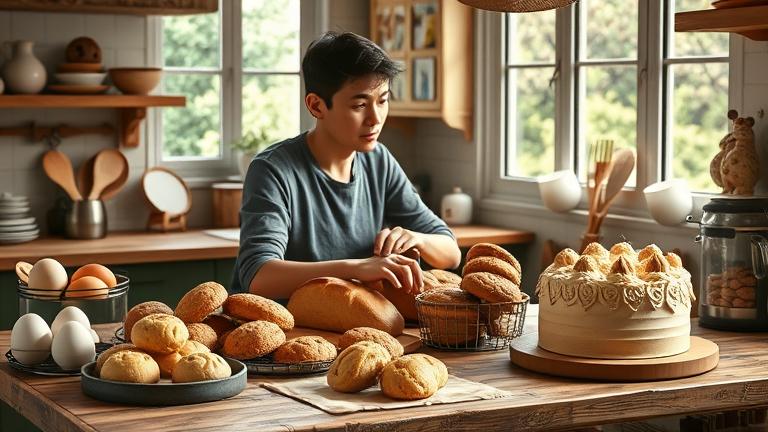
Easy Baking Ideas for Beginners
If you are new to baking, the idea of tackling complex recipes might seem intimidating. But don’t worry! There are many simple and delicious baking ideas perfect for beginners. Starting with straightforward recipes helps build confidence and skills in the kitchen. Plus, these ideas often require just a few basic ingredients and tools.
First, it’s helpful to gather some essential baking supplies. You’ll want measuring cups and spoons, a mixing bowl, a whisk or spoon, and a baking pan. A preheated oven and oven mitts are also must-haves for safety and consistency. Once you have these basics, you’re ready to begin exploring easy baking ideas.
Simple Baking Ideas to Try First
- Banana Bread: This moist and flavorful bread is forgiving for beginners. Use ripe bananas for natural sweetness. Mix mashed bananas, flour, sugar, baking soda, eggs, and a bit of butter. Pour into a loaf pan and bake at 350°F (175°C) for about 60 minutes. It’s hard to go wrong with banana bread, and the smell alone will make your kitchen inviting.
- Chocolate Chip Cookies: A classic that’s easy to customize. Combine flour, sugar, butter, eggs, vanilla, baking soda, and chocolate chips. Use a spoon or cookie scoop to form balls and place on a baking sheet. Bake at 375°F (190°C) for 10-12 minutes. Cookies are forgiving, so you can experiment with adding nuts or different types of chocolate.
- Quick Muffins: Muffins are perfect for breakfast or snacks. Mix flour, baking powder, sugar, milk, eggs, and melted butter. Pour into muffin tins and bake at 375°F (190°C) for 20-25 minutes. Blueberries or bananas make great mix-ins. Muffin batter is forgiving and hard to overmix, making it ideal for beginners.
Tips for Successful Baking
- Read the Recipe First: Familiarize yourself with each step before starting. This helps ensure you have all ingredients ready and understand the process.
- Measure Carefully: Using the right amount of ingredients makes a big difference. Invest in simple measuring tools if you don’t already have them.
- Mix Gently: Overmixing can lead to tough baked goods. Mix just until ingredients are combined unless otherwise specified.
- Don’t Rush: Baking takes time. Check your oven’s temperature with an oven thermometer to avoid surprises.
- Enjoy the Process: Baking is as much about creating and experimenting as it is about the final product. Have fun and don’t worry about perfect results at first.
Common Beginner Mistakes to Avoid
- Skipping Preheating: Always preheat your oven to ensure even baking.
- Using Too Much Flour: Measure carefully and level off your flour for accurate results.
- Opening the Oven Door Too Often: Resist the urge to check early or frequently, as this can cause baked goods to sink or not rise properly.
- Not Reading All Instructions: Read the entire recipe before starting. It saves time and prevents mistakes.
With these straightforward ideas and tips, you’ll soon feel more comfortable experimenting with your baking. Remember, every baker starts somewhere. Keep practicing, have fun, and you’ll master these simple recipes in no time!
Popular Bakes to Cure Boredom
When you’re looking for a fun way to spend your time in the kitchen, baking is a great choice. It not only keeps your hands busy but also fills your home with wonderful smells and delicious treats. Here are some popular bakes that are loved by many and perfect for passing the time.
Cookies and Biscuits
Cookies and biscuits are classic baked goods that are easy to make and endlessly customizable. Whether you prefer chewy chocolate chip cookies, buttery shortbread, or crispy crackers, baking cookies is a satisfying activity. You can experiment with different add-ins like nuts, dried fruits, or oatmeal to make each batch unique.
To get started, gather your ingredients: flour, sugar, butter, eggs, and your favorite mix-ins. Mix everything together, shape the dough into balls or discs, and bake until golden. Cookies are forgiving, so don’t worry if they turn out slightly differently each time. Plus, baking cookies is a wonderful way to bring family or friends together around the kitchen.
Loaves and Quick Breads
Loaves like banana bread, zucchini bread, or classic white bread are comforting and versatile. Making your own bread helps you understand the basics of baking and gives you fresh, warm bread whenever you like. Quick breads, which use baking powder or baking soda instead of yeast, are especially beginner-friendly.
Most quick bread recipes require simple mixing of ingredients, pouring into a loaf pan, and baking. For banana bread, ripe bananas add natural sweetness and moisture. Feel free to add nuts, chocolate chips, or berries to enhance flavors. Baking bread can be a soothing experience, and the reward is a house filled with delicious aromas.
Cakes and Cupcakes
Cakes are a great project for honing your baking skills. Start with simple recipes like sponge cake or pound cake. Cupcakes are perfect if you want individual portions and little sweets to share or enjoy yourself.
All you need are basic ingredients: flour, sugar, eggs, butter, and baking powder. Once baked, you can get creative with frosting and decorations. Making layered cakes or decorating cupcakes can be a fun art project and a tasty one too.
Remember, overmixing your batter can make the cake dense, so mix just until ingredients are combined. Baking cakes and cupcakes can be both relaxing and rewarding, especially when you see the smile on someone’s face after tasting them.
Pastries and Pies
If you’re feeling adventurous, baking pastries like croissants, Danish pastries, or pies can be very satisfying. These often involve creating flaky pastry dough, which might seem tricky at first but becomes easier with practice.
Peanut butter pie, apple crumble, or quiche are popular options. For pies, always chill your dough before rolling to prevent sticking. Crafting pastry skills can take a little time, but the flaky results are worth it. Plus, sharing a homemade pie or tart makes any occasion special.
Tips for Successful Baking
- Read the recipe thoroughly before starting.
- Use fresh ingredients for the best flavor.
- Pre-measure all ingredients to streamline the process.
- Don’t rush cooling baked goods; they’re easier to cut and decorate when slightly warm or cooled.
- Have fun experimenting, and don’t be discouraged by small mistakes—baking is all about practice and enjoyment.
Quick and Tasty Dessert Recipes
If you’re looking to satisfy your sweet tooth without spending hours in the kitchen, you’re in luck. There are plenty of dessert recipes that are both delicious and super quick to make. Whether it’s a last-minute dinner guest or a sudden craving, these ideas will help you whip up something tasty in no time.
Start with simple ingredients you probably already have at home. Many quick desserts require just a few ingredients like fruits, chocolate, cream, or store-bought cookies. With a little creativity, you can turn these basics into satisfying treats.
No-Bake Options That Save Time
No-bake desserts are perfect when you’re short on time. Consider making a quick chocolate mousse by whipping heavy cream with some melted chocolate. It takes just a few minutes and results in a rich, creamy treat. You can also try layered parfaits: layer yogurt, fresh fruit, and granola in a glass. This combo is not only tasty but healthy too.
If you want something with a crunch, make a no-bake cookie or energy bites. Mix rolled oats, honey, peanut butter, and chocolate chips. Roll into small balls and chill until firm. These are great for a quick snack or dessert and can be customized with nuts or dried fruit.
Speedy Fruit-Based Desserts
Fresh fruits are nature’s quick dessert. Strawberries, bananas, blueberries, or peaches are all versatile options. Make a simple fruit salad by chopping your favorite fruits and tossing them with a squeeze of lemon or a drizzle of honey. For added flavor, sprinkle with mint or cinnamon.
Another tasty idea is baked fruit. Slice apples or pears, sprinkle with cinnamon and sugar, and microwave for a few minutes. In just five minutes, you’ll have warm, soft fruit perfect for topping with a spoonful of yogurt or whipped cream.
Microwave Magic
The microwave can be your best friend for fast desserts. For example, a mug brownie made in a mug and cooked in under five minutes is a chocolate lover’s dream. Combine flour, sugar, cocoa powder, a splash of milk, and a bit of oil in a mug. Mix well and microwave for about 1-2 minutes until cooked. It’s warm, gooey, and satisfying.
Similarly, you can make quick fruit crisps by placing sliced fruit in a microwave-safe bowl, topping with a mixture of oats, butter, and brown sugar, and microwaving until bubbly. In minutes, you have a warm, comforting dessert.
Smart Tips for Making Quick Desserts
- Keep basic ingredients like chocolate, fruits, and cream stocked for instant desserts.
- Prep some components in advance, such as chopped fruits or cookie crumbs, to save time later.
- Use microwave recipes when speed is essential but don’t forget to watch to avoid overcooking.
- Balance quick cravings with healthier options by adding fresh fruits and yogurt when possible.
- Don’t be afraid to experiment. Sometimes combining what you have on hand leads to delicious new treats.
No matter how busy your day, these quick and tasty dessert recipes prove that satisfying your sweet cravings doesn’t have to be complicated or time-consuming. With just a few minutes and simple ingredients, you can enjoy a homemade treat that hits the spot.
Creative Baking for Weekends
Weekends are the perfect time to explore your baking skills and try out some creative, elaborate projects. Baking offers a wonderful way to experiment with new flavors, presentation styles, and techniques. It’s also a fantastic opportunity to impress family and friends with your culinary art. Whether you’re a beginner or have some baking experience, weekend baking allows you to relax, be playful, and enjoy the process.
Start by choosing a theme or a type of baked good you find exciting. For example, you might decide to make layered cakes with vibrant fillings, artistic tarts, or savory bread with unique ingredients. Once you have an idea, gather your ingredients and plan a little ahead. Having all your tools and ingredients ready helps the process go smoothly and keeps it fun.
Getting Started with Creative Ideas
- Look for inspiration online, in cookbooks, or from friends’ baking photos. Inspiration can come from seasonal ingredients, cultural cuisines, or even childhood treats.
- Mix different textures and flavors to make your baked goods more interesting. Think about adding nuts, fresh fruits, spices, or even edible flowers for visual appeal.
- Don’t be afraid to try new techniques, such as decorating with royal icing, making swirl patterns, or creating layered fillings. These small touches turn simple recipes into show-stoppers.
Steps to a Creative Weekend Bake
- Pick your recipe based on your chosen theme. For example, a fruit tart might use a flaky crust filled with pastry cream and fresh berries.
- Gather all your ingredients and tools early in the week. Include special items like food coloring, garnishes, or molds if needed.
- Follow the basic recipe, but add your personal touches. For example, switch in a different flavor of jam or add a sprinkle of cinnamon to your dough.
- Be patient with elaboration. Allow time for layering, chilling, or decorating. Good presentation takes time but makes a big impact.
- Experiment with decorations. Use piping bags to pipe icing designs, or sprinkle toppings like powdered sugar, chopped nuts, or edible glitter.
Tips for Successful Creative Baking
- Start with simpler projects if you’re new to elaborate baking. As you gain confidence, gradually try more complex creations.
- Keep notes of your experiments. Write down what works well and what could be improved for next time.
- Use quality ingredients. Fresh, good-quality items make a visible difference in flavor and appearance.
- Don’t rush. Creative baking needs patience, especially when working on delicate decorations or intricate layers.
- Share your creations! Baking is more fun when you share the results with loved ones, and their feedback can inspire future projects.
Making Baking a Weekend Tradition
By dedicating part of your weekend to creative baking, you turn a routine activity into a fun, rewarding experience. Over time, you’ll develop your skills and discover your unique baking style. Plus, the joy of sharing your delicious and beautiful treats makes weekends memorable.
So, pick a recipe, gather your ingredients, and start experimenting. With some patience and a little bit of flair, your weekend baking can become a cherished tradition filled with tasty surprises and happy smiles.
Fun Baking Tricks and Hacks
Baking can be so much fun, especially when you have a few clever tricks up your sleeve. These helpful hacks can make your baking easier, faster, and even more enjoyable. Whether you’re a beginner or a seasoned baker, trying out these tips will help you elevate your baking game and impress your friends and family.
1. Measure Ingredients Accurately
Accurate measurements are the key to successful baking. Use the right tools like measuring cups for dry ingredients and liquid measuring cups for liquids. For dry ingredients like flour, spoon the flour into the cup and level it off with a flat edge, rather than scooping directly from the bag. This prevents packing and ensures you use the correct amount. For sticky ingredients like honey or syrup, spray your measuring cup with a little non-stick spray first. This helps the ingredient slide out easily without sticking, saving a mess and making cleanup simpler.
2. Keep Your Butter Soft and Ready
If your recipe calls for softened butter but you’ve forgotten to take it out ahead of time, there are quick tricks. You can soften butter rapidly by cutting it into small pieces and microwaving briefly in short bursts of 5 seconds. Alternatively, place the butter between two sheets of wax paper and flatten it with a rolling pin. Softened butter mixes more easily, helping you achieve smooth batters and perfect cookies.
3. Use the Right Pan Size
Using a pan that’s too big or too small can change your baking results. To avoid this, double-check your recipe’s recommended pan size. If you don’t have the exact size, adjust the baking time accordingly — a thicker batter may need a longer bake, while a thinner one could cook faster. Remember, transferring batter to a different size pan may also affect how evenly it bakes.
4. Keep Baked Goods Fresh Longer
To keep cookies, cakes, and bread tasting fresh, store them properly. Use airtight containers or wrap baked items tightly with plastic wrap. For cookies and crackers, keeping them at room temperature works well for a few days. For longer storage, freeze baked goods in freezer-safe bags or containers. They can last up to three months and still taste fresh when thawed.
5. Speed Up Cooling Time
Cooling baked goods can take time, but here are a couple of tricks to speed it up. Place baked items on a wire rack so air can circulate around them, preventing sogginess. To cool cakes faster, put the cake in the fridge for about 15-20 minutes. Just be sure to cover it loosely so it doesn’t dry out. This is great when you need to frost a cake quickly.
6. Easy Ways to Decorate
Decorating can be fun, especially when you use simple hacks. For example, to get perfect icing with clean lines, dip your spatula or knife in hot water and dry it before spreading. This keeps the icing smooth and helps you create sharp edges. For adding color, use food coloring gel instead of liquid — it’s more vibrant and won’t thin out your icing.
7. Prevent Cake Crumbs in Frosting
If you’ve ever had crumbs mixed into your frosting, here’s a trick: chill the cake before frosting. Cold cakes are easier to work with and prevent crumbs from mixing into your icing. Also, apply a thin “crumb coat” first, then refrigerate for 30 minutes before adding the final layer. This step keeps crumbs in check and gives you a smooth finish.
8. Quick Tips for Sticky Doughs
Sticky doughs, like bread or cookie dough, can be tricky to handle. Lightly dust your work surface and your hands with flour before working with the dough. Using parchment paper underneath also prevents sticking and makes cleanup easier. Chilling sticky dough in the fridge for about 30 minutes can firm it up, making it easier to handle and cut.
Extra Tips To Remember
- Always preheat your oven fully before baking. This ensures even cooking.
- Keep your ingredients at room temperature for better mixing and rising.
- Have fun with sprinkles, edible glitter, or fruits to add extra flair to your baked goods.
With these fun baking tricks and hacks, you can enjoy baking more and create delicious treats with less fuss. Try out a few and see how they make your baking experience even better!
Baking Tips for Novice Cooks
If you are new to baking, don’t worry. Baking is a fun skill that gets easier with practice. These tips can help you avoid common mistakes and make your baking experience more enjoyable. Whether you’re baking bread, cookies, or cakes, a few simple tricks can make a big difference.
Understand Your Oven
Every oven is slightly different. Some heat hotter than others, and many have hot spots. Spend some time learning how your oven behaves. You can do this by placing an oven thermometer inside and checking the temperature regularly.
Rotating your baked goods halfway through cooking can help ensure even browning and baking. Also, avoid opening the oven door too often while baking, as this can cause sudden drops in temperature that may affect your results.
Measure Ingredients Carefully
Accuracy matters in baking. Use measuring cups and spoons for dry and liquid ingredients. For the best results, level off dry ingredients like flour with a flat edge, rather than scooping directly from the bag. Investing in a kitchen scale can improve precision, especially for baking staples like flour or sugar.
Remember, using too much or too little of an ingredient can change the texture and taste of your baked goods. Take your time to measure carefully for every recipe.
Follow the Recipe, Then Get Creative
When starting out, stick closely to the recipe. Baking is a science, and small changes can lead to unexpected results. As you gain confidence, you can start experimenting with flavors and ingredients.
If something goes wrong, don’t get discouraged. Common issues like flat cookies or dry cakes usually have simple solutions. For example, if your cookies spread too much, chilling the dough before baking can help maintain shape.
Tip: Prepare All Your Ingredients First
Before you begin mixing, gather and measure everything you’ll need. This “mise en place” approach helps prevent forgetting ingredients or rushing during baking. Plus, it keeps the process organized and stress-free.
- Check that ingredients are fresh, especially baking powder and baking soda. Old leavening agents can result in flat baked goods.
- Set your oven to the correct temperature early. This helps prevent over- or under-baking.
Avoid Common Mistakes
- Overmixing batter can cause tough, dense baked goods. Mix only until ingredients are combined.
- Using the wrong pan size can affect baking time and texture. Follow the recipe’s suggested pan size.
- Not preheating the oven can lead to uneven baking and flat or undercooked results.
Practical Troubleshooting
If your baked item turns out poorly, consider these quick fixes:
- If a cake is dense, it might need more leavening or be underbaked. Try adding a pinch of baking soda or baking powder next time.
- If cookies are flat, chilling the dough before baking can prevent spreading.
- If bread isn’t rising properly, make sure your yeast is fresh and proofed correctly.
Remember, the more you practice, the better your baking will become. Don’t be afraid to try, learn from mistakes, and enjoy your delicious creations!
Best Baked Goods to Try Now
If you’re looking to expand your baking skills or just want to enjoy some delicious treats, trying new baked goods can be a fun and rewarding experience. From sweet to savory, there’s a world of options that can suit any taste or occasion. Whether you’re a beginner or an experienced home baker, these baked goods are perfect for experimentation and discovering new favorites.
1. Classic Banana Bread
Banana bread is a comforting and versatile bake that uses ripe bananas for natural sweetness. It’s easy to make and great for using up overripe fruit. To get started, mash the bananas and mix with flour, sugar, eggs, and a little butter or oil. Baking it moist and tender, banana bread is perfect for breakfast or a quick snack. Feel free to add nuts, chocolate chips, or even a swirl of peanut butter for extra flavor.
2. Flaky Croissants
Croissants are a bit more advanced but incredibly rewarding. They require making laminated dough, which involves folding butter into the dough multiple times to create thin layers. The result is a flaky, buttery pastry that melts in your mouth. You can keep them plain or fill them with chocolate, almond paste, or ham and cheese for savory options. Practice makes perfect, so don’t be discouraged if your first batch isn’t perfect.
3. Rustic Sourdough Bread
Getting started with sourdough may seem intimidating, but it’s a rewarding process. It all begins with cultivating a sourdough starter, a mixture of flour and water that ferments over time. Once active, you can make a rustic loaf with a chewy crust and tangy flavor. Sourdough is excellent for sandwiches or just enjoying fresh with butter. Patience is key, as proofing times can range from a few hours to overnight.
4. Soft Pretzels
Soft pretzels are a fun, chewy baked good with a crispy exterior. Making them involves boiling the shaped dough in baking soda water before baking, which gives them that distinctive color and flavor. You can top pretzels with coarse salt, sesame seeds, or even cinnamon sugar for sweet variations. They’re perfect for snack time or parties.
5. Decadent Cheesecake
Cheesecake is a rich and velvety dessert that can be customized with different toppings and flavors. Basic cheesecakes use cream cheese, eggs, sugar, and a graham cracker crust. Baking can be done in a water bath to prevent cracking. Once cooled, they develop a smooth texture and deep flavor. Try adding fruit compote, chocolate, or caramel for extra decadence.
Tips for Trying New Baked Goods
- Follow recipes carefully, especially for more delicate items like croissants and sourdough.
- Use quality ingredients for the best flavor and texture.
- Don’t be discouraged if your first attempt isn’t perfect — baking is a skill that improves with practice.
- Experiment with flavors and toppings to make each baked good unique to your taste.
Whether you stick with classic recipes or venture into more complex territory, trying these baked goods can bring new excitement to your kitchen. Happy baking!