
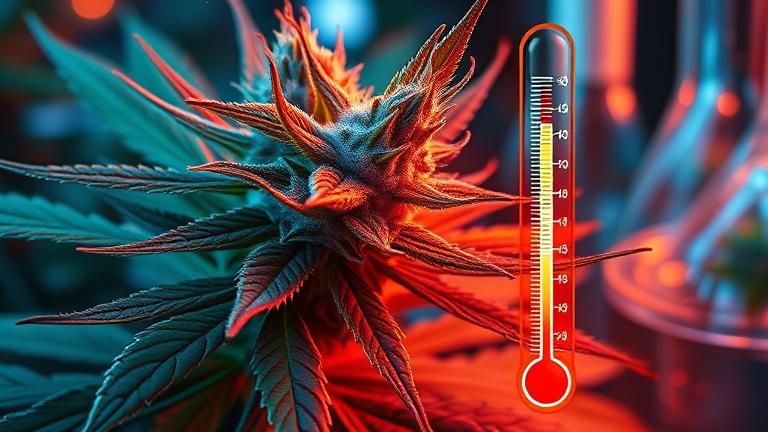
Understanding Terpenes and Their Role
Terpenes are natural compounds found in many plants, including herbs, fruits, and flowers. They are part of what gives plants their distinctive scents and flavors. You might have noticed the citrusy smell of a lemon or the pine aroma of fresh needles, and these scents are thanks to specific terpenes. Understanding what terpenes are can help you appreciate the complexity of flavors and aromas in your cooking and natural products.
Terpenes belong to a large family of organic compounds. There are over 20,000 different types, each with unique properties. Some are responsible for the sweet aroma of lavender, while others give pine trees their sharp scent. These compounds are tiny but pack a punch in how they influence our senses and even our health.
Beyond just smelling good, terpenes play important roles in plants. They help plants defend themselves from pests and diseases. For example, certain terpenes have natural insect-repelling abilities. Others attract pollinators like bees and butterflies, which helps plants reproduce. In the natural world, terpenes are like an unseen toolkit for plants to survive and thrive.
In addition to their natural functions, terpenes are gaining attention for their potential health benefits. Some research suggests that certain terpenes might contribute to the therapeutic effects of herbal remedies or plant-based products. For example, some terpenes are thought to have calming effects or anti-inflammatory properties.
Many common plants contain a mix of terpenes, which combine to create the overall aroma and flavor. For example, in herbs like basil and thyme, different terpenes blend to create their characteristic scents. In citrus fruits, limonene is a common terpene that provides that bright, fresh smell and flavor.
Knowing about terpenes can help you make more intentional choices when selecting ingredients for cooking and natural products. If you want a dish with a relaxing aroma, you might look for herbs rich in linalool. For a citrusy, uplifting flavor, limonene-rich ingredients are ideal.
It’s fascinating to see how these tiny molecules play such a big role in the natural world and our experience. Whether you’re cooking, scenting your home, or exploring herbal remedies, understanding terpenes adds a new layer of appreciation for nature’s craftsmanship in plants. Keep in mind, the variety and combination of terpenes can vary widely, so each plant offers a unique sensory experience.
Next time you smell a herb or taste a fruit, think about the terpenes behind that aroma and flavor. They are nature’s way of communicating and protecting, and with a little knowledge, you can also enjoy their many benefits. Remember, experimenting with different herbs and natural products can open up a whole new world of flavor, scent, and wellness.
How Heat Affects Terpenes
Terpenes are the aromatic compounds found in many plants, especially in herbs and cannabis. They give these plants their distinctive smells and flavors. When it comes to cooking or processing these plants, understanding how heat affects terpenes is key to capturing the best aroma and flavor. Heat can change or even destroy these delicate compounds if not managed carefully.
Different temperatures can have different effects on terpenes. Low to moderate heat can sometimes help release their scent, making your dish or infusion more flavorful. But if the heat gets too high or lasts too long, it can break down the terpenes. This breakdown reduces their aroma and can significantly alter the taste.
For example, most terpenes have specific temperature ranges where they are stable. Some popular terpenes like limonene (citrus scent) or myrcene (earthy, herbal aroma) start to degrade at around 330 to 350 degrees Fahrenheit. When exposed to temperatures above this, their structure can change, making the flavor less vibrant or even bitter. This is why overcooking or exposing herbs to high heat too quickly can ruin their natural aroma.
How Heat Changes Terpenes
Heat affects terpenes mainly by causing evaporation. Since terpenes are volatile, meaning they evaporate easily, applying heat releases their aroma into the air. That’s why you often smell herbs when you cook them. However, if the heat is too high, the terpenes evaporate too quickly or degrade before you get a chance to savor their full flavor.
In addition to evaporation, high heat can cause chemical changes. Some terpenes break down into new compounds, some of which may have less pleasant flavors or aromas. For example, heating limonene excessively can lead to the formation of compounds that have a bitter taste. This process is called thermal degradation.
Tips for Preserving Terpenes During Heating
- Use moderate heat: Keep cooking temperatures around 300 to 330 degrees Fahrenheit for delicate herbs or plant materials to preserve maximum terpene content.
- Cook for shorter times: Limit exposure to heat; the longer the heat acts, the more terpenes can break down. Add herbs towards the end of cooking when possible.
- Avoid direct high heat: Use indirect heat methods like simmering or baking instead of frying or grilling at very high temperatures.
- Use low-temperature infusion: When making extracts or infusions, simmer at low heat for a gentle extraction without destroying the terpenes.
- Cover your pot: Covering helps trap volatile compounds, preserving more aroma during cooking.
Common Mistakes to Avoid
- Overheating herbs or plant material right at the start, which can cause immediate terpene loss.
- Cooking for too long at high heat, degrading the flavor quickly.
- Using high heat methods like direct frying without controlling temperature.
By understanding how heat impacts terpenes, you can better control your cooking and preparation methods. This ensures that you preserve the natural aroma and flavor of your herbs, making your dishes taste more vibrant and true to their original profile. Remember, patience and careful temperature control go a long way in keeping those precious terpenes intact!
Ideal Temperatures to Preserve Terpenes
When working with terpenes, the key is to keep their delicate aromatic compounds intact. These molecules can be easily damaged by heat, so understanding the ideal temperature range is essential for preserving their flavor and beneficial properties. Proper temperature management ensures that your products retain their full spectrum of aromas and effects.
Terpenes are sensitive to heat. If exposed to high temperatures for too long, they can evaporate or degrade, reducing the quality of your extract or infused material. Typically, terpenes begin to vaporize at temperatures between 330°F and 365°F (165°C to 185°C). To keep them safe and intact, it’s best to stay below this range during processing or consumption.
Optimal Temperature Range
The sweet spot for preserving terpenes is generally between 160°F and 220°F (70°C to 105°C). Within this range, volatilization of terpenes is minimized, allowing you to enjoy the full aroma and therapeutic effects.
- Below 160°F (70°C): Very gentle heating, ideal for infusions or delicate extractions. It prevents most terpene loss but might slow down extraction rates.
- Between 160°F and 180°F (70°C to 82°C): Generally considered safe for decarboxylation and extraction, as it balances efficiency with terpene preservation.
- Up to 220°F (105°C): Manageable for short periods, especially when needing to evaporate solvents or activate compounds. Use caution and monitor temperature closely.
Tips for Gentle Heating
To keep terpenes intact during your cooking or extraction process, always control your heat carefully. Use a thermometer or temperature-controlled equipment whenever possible. An oven with accurate temperature settings or a sous-vide cooker can provide very precise heat control, helping you avoid accidental terpene loss.
When heating on the stove, consider using a double boiler. This indirect method provides gentle, even heat and reduces the risk of burning or over-heating. Stir frequently to distribute heat evenly and prevent hotspots that could damage your terpenes.
Common Mistakes to Avoid
- Heating above 365°F (185°C) This can cause rapid terpene evaporation, resulting in loss of aroma and potential degradation of beneficial compounds.
- Ignoring temperature control Relying solely on time without monitoring temperature can lead to unintended terpene damage.
- Overheating during decarboxylation Decarboxylation, the process of activating cannabinoids, should be done at low to moderate temperatures to preserve terpenes while activating the compounds.
Practical Example
If you’re making a tincture or oil infusion and want to preserve terpenes, keep your heating process gentle. Use a double boiler set at about 160°F (70°C). Allow your herbs or concentrates to sit in this warm environment for a couple of hours, stirring occasionally. This method helps extract cannabinoids and terpenes without losing their aromatic qualities.
Overall, understanding and maintaining the right temperature is your best strategy for keeping the natural flavors and benefits of terpenes. With careful heat management, you can craft high-quality extracts, infusions, and products that truly showcase their aromatic potential.
Temperatures That Destroy Terpenes Quickly
When it comes to preserving the rich flavors and potential health benefits of terpenes, understanding temperature is crucial. Terpenes are the aromatic compounds in cannabis that give it its distinctive smell and taste. But they are quite delicate and can break down rapidly if exposed to certain temperatures.
Knowing which temperatures damage terpenes helps you better control your cooking, extraction, or storage processes. In general, high heat can cause a quick loss of these beneficial compounds. Staying below specific temperature thresholds ensures you keep the maximum flavor and therapeutic properties.
Key Temperature Thresholds
- 150°C (302°F) and above: This is the temperature where many terpenes start to degrade rapidly. When heating cannabis or other aromatic plants above this point, expect a quick reduction in terpene quality, total aroma, and flavor. This is especially true during vaping or cooking.
- 175°C (347°F): At this temperature, significant terpene loss occurs. Many delicate terpenes begin to evaporate very quickly, often within seconds. Cooking methods that reach this heat or higher can destroy much of the terpene content.
- 200°C (392°F) and above: Very high temperatures cause almost complete degradation of some key terpenes. If you’re baking or cooking at these temperatures, the aromatic and potential medicinal benefits are greatly diminished.
The Importance of Low and Slow
To preserve terpenes, aim for lower temperatures when vaporizing or cooking. For example, vaporizing cannabis typically occurs between 157°C and 220°C. Staying closer to the lower end of this range, around 157°C to 165°C, helps retain more of those fragrant terpenes.
When extracting oils or concentrates, gentle methods like cold-pressing or low-temperature distillation help maintain terpene profiles. If you’re infusing oils or making tinctures, avoid heating above 150°C. This ensures the therapeutic compounds stay intact and effective.
Practical Tips to Protect Terpenes
- Use a thermometer: Always monitor your cooking or vaporizing temperature with a reliable device. This gives you control and prevents unintentional overheating.
- Start low, go slow: Begin processing at lower temperatures and increase gradually if needed. This minimizes terpene loss.
- Opt for indirect heat: When cooking, use methods like simmering or double boiling instead of direct high heat.
- Avoid open flames and high flames: Excessively high heat sources can push temperatures past the safe threshold quickly.
- Store properly: Keep dried herbs or concentrates in cool, dark places. Excessive heat during storage can also degrade terpenes over time.
Understanding and respecting these temperature guidelines helps you get the most flavor, aroma, and benefits from your cannabis or herbs. Keep your heat lower and your attention sharp, and you’ll preserve those precious terpenes much better.