
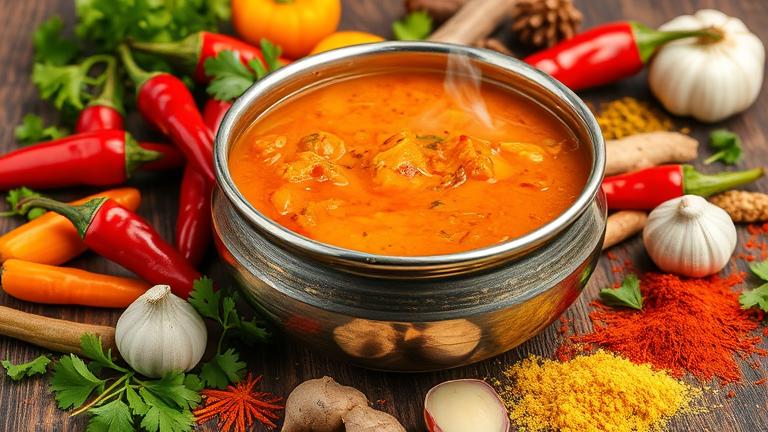
Key Ingredients to Enhance Curry Flavor
When it comes to making a delicious and satisfying curry, the right ingredients can truly make a difference. These essential components help build a rich, deep flavor profile that makes your curry stand out. Whether you’re following a traditional recipe or experimenting with your own twist, adding these key ingredients will elevate your dish and delight your taste buds.
First, aromatic spices are the foundation of any great curry. Common spices like cumin, coriander, turmeric, and garam masala add warmth and complexity. Toasting whole spices before grinding them releases their essential oils, intensifying their flavor. A simple tip is to dry-toast these spices in a hot pan for a minute or two, then grind them fresh for maximum aroma.
Next, fresh herbs add bright, vibrant notes. Cilantro leaves are a classic choice, sprinkling over the curry just before serving. For an extra layer of flavor, consider adding fresh basil or mint, especially in green or Thai-style curries. These herbs cut through the richness and add a fresh finish to your dish.
Another important ingredient is acids, which balance the spices and deepen the curry’s flavor. A splash of lemon or lime juice added at the end can brighten the dish. Vinegar or tamarind paste are also popular options, particularly in Indian and Southeast Asian curries. They help to sharpen the flavors and add a pleasing tang.
Don’t forget about aromatics like onions, garlic, and ginger. Sautéing them until golden releases their natural sweetness and gives your curry a savory depth. Fresh ginger adds a slightly spicy zing, while garlic enhances the overall aroma. Using freshly minced ingredients is better than powders for a more vibrant flavor.
For a richer taste, incorporating coconut milk or cream can add a velvety texture and subtle sweetness. This is especially common in Thai or South Indian curries. Simmering your curry with coconut milk allows the flavors to meld together beautifully.
For an extra layer of richness, consider adding a dollop of yogurt or a splash of cream toward the end of cooking. These help mellow the spices and give the curry a smooth, luscious quality. Just stir in and serve soon after for the best texture.
Finally, a pinch of salt is essential, but it’s important to taste as you go. Salt enhances all other flavors and helps bring the dish together. Be cautious with initial salt levels, then adjust as the curry simmers and flavors develop.
- Tip: Use freshly ground spices whenever possible for maximum flavor.
- Tip: Taste your curry before serving and adjust acidity and salt for a balanced taste.
- Tip: Store spices in a cool, dry place to keep their aroma strong.
Popular Herbs and Spices for Better Taste
Adding the right herbs and spices can truly transform your curry, giving it more depth and complexity. These ingredients not only boost flavor but also add aroma, making your dish more inviting and tasty. Whether you are new to cooking or looking to refine your curry skills, knowing which herbs and spices to use is key to creating a delicious meal.
Some herbs and spices are versatile and commonly used in many curry recipes. Others are more specific but can really enhance particular flavors. Let’s explore some of the most popular options and how they can improve your cooking.
Common Herbs for Curry
- Cilantro (Coriander leaves): Fresh cilantro is a staple in many curries. It adds a bright, citrusy flavor and a fresh aroma. Sprinkle chopped cilantro on top just before serving for the best taste and appearance.
- Bay leaves: These leaves add a subtle depth to the curry broth. Add whole bay leaves during cooking and remove before serving. They impart a slightly floral, herbal note.
- Mint: Fresh mint leaves give a cool, refreshing touch, especially in lighter, yogurt-based curries. Chop and stir in at the end for a vibrant flavor.
Popular Spices for Curry
- Cumin: Ground cumin seeds provide an earthy, slightly nutty flavor. It’s often one of the first spices toasted in the pan to release its aroma. Use about one teaspoon per serving for balanced flavor.
- Coriander powder: This spice has a mild, citrusy taste that complements cumin well. It forms the base of many curry spice blends.
- Turmeric: Known for its bright yellow color, turmeric also adds a gentle, warm bitterness. Use it in small amounts, usually about half a teaspoon, to give your curry a vibrant hue and subtle flavor.
- Garam Masala: A blend of spices including cinnamon, cardamom, clove, and pepper. It’s added near the end of cooking to bring all the flavors together. Sprinkle about half a teaspoon to one teaspoon, depending on the recipe.
- Chili Powder: For heat and a smoky flavor, add chili powder to taste. Be cautious if you prefer mild curry; start with a small amount and add more gradually.
Tips for Using Herbs and Spices Effectively
- Always toast whole spices like cumin or coriander before grinding. This enhances their flavor significantly.
- Add delicate herbs like cilantro and mint at the end of cooking to preserve their fresh aroma.
- Store herbs and spices in a cool, dark place to keep their flavor intact longer.
- Don’t be afraid to experiment with combinations. Making your own spice blend can add a signature touch to your curry.
Remember, the right balance is key. Too much spice can overpower the dish, while too little might make it bland. Taste as you go, and adjust seasonings gradually for the best results. With a good selection of herbs and spices, your curry can reach new levels of flavor that will impress family and friends alike.
Tips for Balancing Curry Flavors
Bringing together the right balance of sweet, sour, salty, and spicy flavors is the secret to a delicious, harmonious curry. When each element complements the others, your curry will taste vibrant and well-rounded. Don’t worry with a few simple tips, you can easily master flavor balancing in your cooking.
First, taste your curry as it cooks and at the end. This helps you identify which flavor might need adjusting. Remember, flavors can develop and change as the curry simmers, so tasting regularly is key.
Balancing Sweetness
If your curry tastes too tangy or spicy, adding a touch of sweetness can tone it down. Common options include a teaspoon of honey, sugar, or coconut milk, depending on the style of curry. A bit of sweetness can also enhance the other flavors by creating contrast. Be cautious add small amounts, taste, then adjust gradually.
Adjusting Sourness
Sour elements like lemon juice, lime, or vinegar brighten a curry but can overpower if used too much. If your curry becomes too sour, balancing with a pinch of sugar can mellow the acidity. Conversely, if it lacks brightness, a splash of acid near the end of cooking will enhance the overall flavor.
Controlling Saltiness
Salt is crucial, but too much can ruin the dish. Always taste before adding more. If your curry turns out too salty, add a small potato or a bit of unsalted coconut milk and cook it a little longer. These can absorb some excess salt. Remember, it’s easier to add salt gradually, so start with less.
Managing Spiciness
If your curry is too hot, salty, or sour, cooling it down helps. Adding coconut milk, yogurt, or a dollop of cream reduces the heat, creating a creamy balance. For an extra flavor boost, fresh herbs like cilantro or mint can provide a fresh contrast to spicy heat.
Practical Tips for Flavor Balance
- Start with small additions taste and adjust slowly.
- Use fresh ingredients like lime juice or herbs at the end for the best flavor punch.
- Pair overly spicy curries with a side of rice or bread, which can help mellow the heat.
- Consider the main flavor profile you want whether it’s more sweet, tangy, or spicy and adjust other elements accordingly.
Remember, every curry is unique. Don’t be afraid to experiment and trust your palate. With some practice, you’ll find it easier to create perfectly balanced, tasty curries every time. Enjoy crafting flavors that excite your senses and impress your family or friends!
Secret Boosters for Richer Curry
Want to take your curry from good to unforgettable? Sometimes, a few clever ingredients and methods can make a huge difference, giving your dish a more decadent and layered flavor. These secret boosters are simple to find and easy to incorporate, making your curry stand out every time.
Use Ghee Instead of Oil
Ghee, which is clarified butter, has a rich, nutty flavor that adds depth to your curry. Swapping out regular cooking oil for ghee at the start of cooking can enhance the aroma and create a more luscious base. Ghee also has a higher smoke point, so it handles those quick sautés better without burning.
Add a Touch of Cocoa or Dark Chocolate
Odd as it sounds, a small piece of dark chocolate or a pinch of cocoa powder can intensify the richness of your curry. The bitterness balances spiciness and adds complexity. Be sure to use a high-quality dark chocolate or pure cocoa. Stir it in toward the end of cooking and let it melt completely.
Incorporate Aromatic Whole Spices
Whole spices like cinnamon sticks, cardamom pods, or bay leaves can infuse your curry with fragrant depth. Toast them briefly in ghee or oil before adding other ingredients. This step releases essential oils and boosts flavor, making your curry more aromatic and richer.
Add a Splash of Coconut Milk or Cream
Coconut milk or cream introduces a velvety texture and a subtle sweetness that complements spicy flavors. Use in moderation a quarter to half a cup stirred in during the simmering stage. It adds a luxurious feel without overpowering the other ingredients.
Boost with Umami-Rich Ingredients
Umami is the fifth flavor, often described as savory or meaty. You can boost it with ingredients like soy sauce, fish sauce, miso paste, or even a little dried mushrooms. For a vegetarian option, try tomato paste or nutritional yeast. Adding these enhances the depth and makes the curry taste more decadent.
Finish with Fresh Herbs and a Drizzle of Oil
Just before serving, sprinkle freshly chopped cilantro or basil over your curry. A quick drizzle of flavored oil, such as garlic-infused olive oil or chili oil, can add a finishing layer of richness. These final touches brighten the dish while maintaining overall decadence.
Tip for Extra Creaminess: Blend Part of the Curry
This trick is popular in many traditional recipes. Take a portion of your cooked curry, puree it until smooth, then stir it back into the pot. The result is a thicker, creamier sauce with more body, making every bite richer and more satisfying.
- Be cautious with additives to avoid overpowering the main flavors.
- Experiment with small quantities first you can always add more.
- Use fresh ingredients when possible for the most vibrant flavor.
- Let your curry simmer gently after adding these boosters to meld flavors thoroughly.
With these secret boosters, your curry can reach new heights of richness and flavor. A little ingenuity and some unexpected ingredients are all it takes to impress family or guests with a decadent, flavorful dish they’ll remember.
Adjusting Spice Levels Perfectly
Spice levels can make or break a curry, and knowing how to adjust them helps you enjoy your dish exactly how you like it. Whether you prefer milder flavors or want to turn up the heat, there are simple tips to help you get it just right.
First, it’s important to start with the right amount of spice when you are cooking. If a recipe calls for chili powder, hot peppers, or other spicy ingredients, add them gradually. You can always add more, but you can’t remove excess once it’s in. Taste as you go so you can find that perfect balance.
To Make a Dish Milder
- Add Dairy: Incorporate ingredients like yogurt, cream, or coconut milk. These can soften the heat and give your curry a richer, creamier texture.
- Add Sugar or Honey: A small amount of sweetness can counteract extreme spiciness. Try adding a teaspoon at a time and tasting afterward.
- Include Acid: A splash of lemon juice, vinegar, or tamarind can help mellow intense flavors. Add gradually and taste frequently.
- Use Vegetables: Adding extra cooked vegetables like potatoes or carrots can absorb some of the heat and balance the spice level.
To Make a Dish Hotter
- Add More Spices: Incorporate additional chili powder, fresh chopped hot peppers, or cayenne pepper. Do this in small amounts and taste after each addition.
- Simmer Longer: Sometimes, letting the curry simmer for a longer period allows flavors and heat to develop deeper. Just keep an eye to avoid overcooking the ingredients.
Quick Fixes for Overly Spicy Curry
If you accidentally add too much spice and it becomes overwhelming, don’t worry. Here are some quick remedies:
- Add Dairy or Coconut Milk: These are the fastest way to tone down heat without changing the flavor too much.
- Serve with Neutral Sides: Offering rice, bread, or naan can help balance the spiciness on your plate.
- Mix in Acid or Honey: A squeeze of lime or a touch of sugar can quickly cut the heat and improve taste.
Extra Tips for Spicy Cooking
- Use Fresh Chili Peppers: Fresh chilies vary in heat. Taste a small piece before adding more to avoid surprises.
- Test Small Batches: When experimenting with spice adjustments, make a small test portion first.
- Store Spicy Ingredients Safely: Keep hot peppers and spices away from children and pets to prevent accidental burns or reactions.
Remember, the key to adjusting spice levels is to go slow. Small, gradual changes are safest and most effective. With a little practice, you’ll master the art of making your curry perfectly spicy just the way you like it!
Easy Fixes to Improve Curry Taste
If your curry doesn’t taste quite right, don’t worry. Sometimes, a simple adjustment can transform it into a delicious dish. Whether your curry is too bland, too spicy, or lacking depth, there are easy fixes you can try to boost its flavor.
One common issue is a bland taste. To enhance the flavors, try adding a splash of acid such as lemon juice or a bit of vinegar. Acidic elements brighten up the dish and can make the spices pop. Add small amounts at a time, tasting as you go, to avoid overpowering the curry.
If your curry is too salty, introducing a little sweetness can balance the flavor. A teaspoon of honey, sugar, or coconut milk can mellow the saltiness without making the dish sweet. Remember to add gradually and taste frequently to find the perfect balance.
Sometimes, the curry might lack depth or richness. In this case, stirring in a spoonful of coconut cream, yogurt, or even a splash of coconut milk can add creaminess and enhance the overall flavor. These ingredients also help mellow out overly spicy curries and give them a smooth finish.
If the curry is missing warmth or aroma, consider adding fresh or dried herbs and spices. A pinch of freshly chopped cilantro, basil, or parsley can lift the flavors. Toasted spices like cumin or coriander added near the end of cooking can also intensify the aroma.
Another quick fix is to adjust the seasoning. Sometimes, all your curry needs is a bit more salt or spice. Sprinkle in a little more salt, or add a dash of hot sauce, chili powder, or a pinch of cayenne pepper to give it some heat. Always start small and taste before adding more.
If your curry tastes flat or dull, adding umami can help. Options include a splash of soy sauce, fish sauce, or a handful of sautéed mushrooms stirred in at the end. These ingredients boost savory notes and bring depth to the dish.
Here are some practical tips for fixing your curry:
- Keep tasting as you make adjustments. Small steps prevent overdoing it.
- Remember that ingredients like lemon juice or honey can change flavor quickly. Add sparingly.
- If in doubt, a splash of coconut milk or yogurt can often fix multiple issues at once, adding creaminess and balance.
By trying these simple fixes, you can turn an imperfect curry into a flavorful feast. Experiment with what you have at hand, and remember that even small changes can make a big difference. Don’t be afraid to adjust and taste until your curry hits the flavor you love.
Missed Ingredients You Should Try
When making a curry, it’s easy to stick to the basics like spices, vegetables, and protein. But sometimes, adding a few less common ingredients can really elevate your dish and give it a new flavor dimension. These overlooked ingredients are simple to find and can turn an ordinary curry into something special.
Fresh Herbs
Herbs like cilantro, basil, and mint are often used as garnishes, but adding them during cooking can give your curry a fresh kick. For example, stirring in chopped fresh basil towards the end of cooking adds a sweet, peppery flavor, while cilantro can boost the aroma. Don’t be afraid to experiment with different herbs that match your preferred flavor profile. Fresh herbs not only enhance taste but also brighten the dish visually and aromatically.
Unique Spices
While turmeric, cumin, and coriander are common curry staples, consider trying less typical spices. Cardamom pods add a warm, aromatic note, and a touch of fenugreek seeds offers a slightly nutty, bitter flavor. Adding a pinch of cinnamon or star anise can also lend a subtle sweetness that balances spicy heat. These spices might be unfamiliar but can provide a complex depth to your curry.
Acidic Ingredients
In many recipes, a splash of acid is used to brighten flavors. Lime juice or vinegar can brighten the overall taste profile, but you might also explore alternatives like tamarind paste or pomegranate molasses. Tamarind, in particular, is a traditional ingredient in many South Asian curries and adds a tangy richness. Be careful to add these ingredients gradually, tasting as you go to avoid overpowering the dish.
Unexpected Proteins and Vegetables
If you usually stick to chicken or potatoes, consider trying chickpeas, lentils, or even seafood like shrimp or fish. These ingredients bring different textures and flavors, making your curry more interesting. Vegetables such as zucchini, eggplant, or sweet potatoes can also add variety and sweetness. Adding these can save you from the usual routine and introduce new tastes and textures.
Fermented and Preserved Items
Ingredients like kimchi, fermented garlic, or preserved lemons can add a tangy, umami-rich note to your curry. Kimchi, especially, can bring a spicy, sour crunch that complements hearty spices. Use these sparingly at the end of cooking to preserve their bright flavors. They provide an exciting twist that can surprise your palate and add depth to your dish.
Tips for Experimenting
- Start with small amounts, especially when trying unfamiliar ingredients, and taste as you go.
- Make a note of what you add so you can recreate successful combinations later.
- Balance strong flavors with ingredients like coconut milk, yogurt, or cream to keep the curry smooth and rich.
- Don’t be afraid to try fusion ideas, like adding a dash of soy sauce or a squeeze of orange juice for a different twist.
Adding these overlooked ingredients can turn a basic curry into a personal culinary adventure. Remember, cooking is about exploring and adjusting to your taste. So go ahead, try something new and enjoy discovering your perfect flavor combination!