
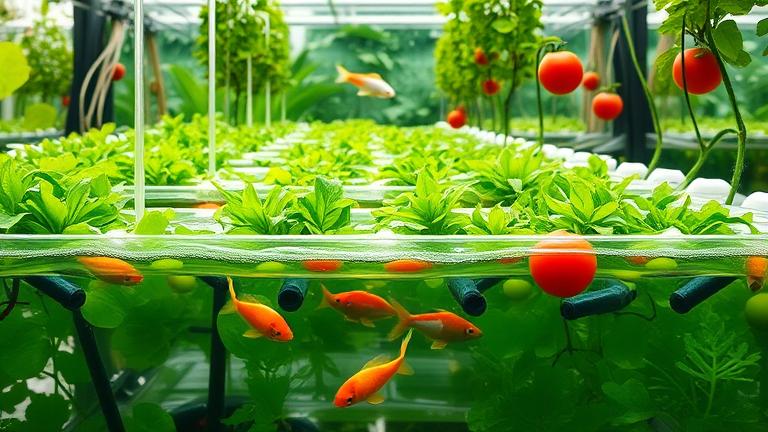
Best Vegetables for Aquaponics Growth
When setting up an aquaponic system, choosing the right vegetables is key to a successful and productive garden. Not all plants thrive equally in this unique environment, where fish waste provides nutrients and water circulates constantly. The best vegetables for aquaponics are those that grow well in water-rich conditions and can handle the steady nutrient supply. Here, we’ll explore some top options along with their growth habits and tips for success.
One of the most popular vegetables for aquaponic systems is lettuce. Lettuce is fast-growing, requiring only a few weeks to harvest, and it adapts well to the water-based environment. It prefers cooler temperatures and plenty of light, making it an excellent choice for indoor systems or shaded outdoor setups. Leaf varieties like Romaine or Butterhead are especially easy to grow. Because they grow upright and have relatively shallow roots, they don’t block light for other plants.
Another favorite is basil. This versatile herb not only adds flavor to dishes but also benefits from the nutrients in aquaponics. Basil enjoys warm temperatures and lots of sunlight, so position it where it can receive at least six hours of direct light daily. Regular harvesting encourages bushier growth and prevents flowering, which can bitter the leaves. Basil’s fast-growing nature makes it ideal for continuous harvests, especially in small spaces.
Tomatoes are a popular vegetable for aquaponics, but they require a bit more attention. They need stable, warm conditions and support structures like cages or trellises. Tomatoes have deep roots and thrive in nutrient-rich water, producing abundant fruit if cared for properly. Consistent pH levels and attention to water quality are important to prevent diseases like blossom-end rot. Cherry tomatoes are a beginner-friendly variety, offering quick yields and manageable sizes.
Herbs like mint and chives also do well in aquaponic systems. Mint grows vigorously and can spread quickly, so it’s best in containers to control its growth. Chives are hardy, require minimal maintenance, and their onion-like flavor enhances many dishes. Both herbs prefer well-lit conditions and benefit from regular pruning to promote healthy, ongoing growth.
Among root vegetables, radishes are surprisingly suitable for aquaponics. They grow quickly and don’t require deep soil, making them perfect for water-based systems. Radishes prefer cooler weather and should be harvested before they become too large and woody. Other root crops, like carrots and beets, can be grown but need deeper containers and more attention to water conditions to prevent issues like rot.
- Choose vegetables based on your climate and available space.
- Monitor water quality regularly, especially pH and nutrient levels.
- Adjust lighting and temperature according to each plant’s needs.
- Practice crop rotation to maintain healthy systems and prevent diseases.
In summary, lettuce, basil, tomatoes, mint, chives, and radishes are among the top vegetables that flourish in aquaponic gardens. Selecting the right plants and paying close attention to their unique needs can lead to a thriving, productive system. Start with these easy-to-grow options, and watch your aquaponic garden flourish with fresh vegetables all year round.
Easy Vegetables for Beginners in Aquaponics
If you are just starting out with aquaponics, choosing the right vegetables can make the whole journey much more enjoyable. You want plants that are simple to grow, forgiving of minor mistakes, and quick to show results. In this section, we will explore some of the best beginner-friendly vegetables to grow in your aquaponic system.
One of the top choices is lettuce. Lettuce grows quickly and doesn’t require much attention. It can be harvested in as little as 30 days, making it perfect for beginners eager to see fast results. Lettuce thrives in cool temperatures and needs consistent water, which fits well with the aquaponic environment. You can grow different varieties like romaine, leaf, or butter lettuce, giving you some options for flavors and textures.
Next up is herbs. Basil, mint, and cilantro are great options to start with. They are hardy, grow fast, and add flavor to your kitchen. Herbs typically do well in smaller containers, making them ideal for small aquaponic setups. Plus, fresh herbs can be harvested continuously, so you get a constant supply without over-planting.
Radishes are another beginner-friendly vegetable. They grow quickly often in just three to four weeks and don’t need much space. Radishes are a fun vegetable for beginners because they provide almost instant gratification. Plus, they like cooler conditions, so they are suitable for a variety of climates.
Cucumbers can be a good choice once you get comfortable with basic aquaponic care. While they may need a little more space and support, they can produce a good yield. Choose small or bush-type cucumber varieties for easier management. They can be harvested in about 50 to 70 days, and their high water content can help keep your aquaponic water balanced.
Other vegetables like Swiss chard and spinach are also suitable for beginners. Swiss chard is colorful, nutritious, and easy to grow, thriving in similar conditions to lettuce. Spinach, another fast grower, can be ready in around 40 to 45 days and is excellent for salads or cooking.
- Start with a few plants of each type to learn how they grow and what they need.
- Ensure your system has stable water temperatures and proper lighting for healthy growth.
- Regularly check water quality good pH levels and enough nutrients are vital for your plants’ success.
- Be patient. Even low-maintenance plants need time to establish.
Remember, choosing easy vegetables not only makes your first aquaponics experience successful but also encourages you to keep experimenting and expanding your garden. Stick with these beginner-friendly options, and you’ll be amazed at how quickly you can harvest fresh, home-grown vegetables from your aquaponic system.
Nutritional Benefits of Aquaponic Vegetables
Eating vegetables grown in aquaponic systems offers many health advantages. These vegetables are packed with essential nutrients that support overall wellness. Many home cooks choose aquaponic produce because they are fresh, healthy, and flavorful.
One of the main benefits of aquaponic vegetables is that they often contain higher levels of vitamins and minerals. Because these plants grow in nutrient-rich water, they can absorb more beneficial substances compared to soil-grown counterparts. For example, leafy greens like lettuce and spinach tend to be especially rich in vitamin C and iron when grown aquaponically.
Another advantage is that these vegetables are typically harvested quickly after they are ready. This means they spend less time in storage, which helps preserve their nutrients. Freshly picked aquaponic produce often has a better flavor and retains more of its natural vitamins and antioxidants. These antioxidants may help protect your cells from damage and boost your immune system.
Growing vegetables in aquaponic systems also reduces the risk of chemical contamination. Since these systems rely on natural processes and do not require pesticides or fertilizers, their produce tends to be cleaner and safer to eat. This is especially important if you are conscious about chemical residues in your food.
How Aquaponic Vegetables Promote Wellness
- Rich in antioxidants: These help combat free radicals in your body, supporting healthy aging and immune health.
- High in fiber: Many aquaponic vegetables, like kale and Swiss chard, are excellent sources of dietary fiber. Fiber aids digestion and helps maintain a healthy weight.
- Low in calories: Most aquaponic greens are low-calorie but nutrient-dense, making them perfect for a balanced diet.
- Enhanced mineral content: Vegetables grown in water with fish waste can accumulate minerals like calcium and magnesium, which are important for bone health.
| Vegetable | Nutrient Focus | Typical Benefits |
|---|---|---|
| Lettuce | Vitamin K, Vitamin A | Supports blood clotting, vision, and immune function |
| Spinach | Iron, Folate | Boosts energy, supports cell growth |
| Swiss Chard | Magnesium, Vitamin C | Helps muscle function, boosts immunity |
| Kale | Antioxidants, Vitamin C | Reduces inflammation, promotes skin health |
Incorporating aquaponic vegetables into your meals is a practical way to enjoy fresh, nutrient-rich produce. Remember that washing your vegetables thoroughly before eating helps remove any surface bacteria. Also, vary your choices to maximize different nutrients and keep your diet exciting. With proper care, aquaponic vegetables can be a nutritious and sustainable addition to your daily routine.
Tips for Caring for Your Aquaponic Veggies
Growing vegetables in an aquaponic system is a rewarding way to produce fresh, healthy food. To keep your plants thriving and your system running smoothly, it’s important to follow some simple care and maintenance tips. Proper watering, feeding, and system management will help you get the best harvest possible.
Water Quality and Balance
In an aquaponic setup, water is the foundation for your vegetables’ health. Make sure to check the water regularly for pH levels, ideally between 6.8 and 7.2. This range helps plants absorb nutrients efficiently and keeps fish happy too. Use a reliable testing kit so you can catch any imbalances early.
If the pH drops too low or rises too high, you can adjust it with natural solutions like lime or the appropriate pH buffers. Keep an eye on water temperature as well most vegetables prefer temperatures between 65°F and 75°F. Too hot or too cold can stress your plants and fish alike.
Change or top up your water regularly to keep it fresh. Avoid overfilling or letting the water stagnate, as this can promote algae growth or harm your fish. Always top off with dechlorinated water to protect aquatic life.
Feeding Your System and Plants
Feeding is crucial for healthy vegetable growth in aquaponics. Your fish provide nutrients for your plants, but they need the right diet too. Give your fish high-quality, species-appropriate food, and avoid overfeeding. A good rule of thumb is to feed only what they can consume in a few minutes, preventing leftover food from polluting the water.
Remember, overfeeding can lead to excess nutrients and water quality issues. If you notice cloudy water or a foul smell, reduce feeding frequency or portion size. Keep a feeding schedule to maintain balance in the system.
Your vegetables will benefit from supplemental nutrients if you notice slow growth or yellowing leaves. Consider adding organic liquid fertilizers or compost teas directly designed for aquaponic systems, but always follow recommended doses to prevent nutrient overload.
Managing the System
Regular system checks help catch problems early. Inspect your grow beds and fish tanks weekly for signs of pests, algae, or blockages. Clear out any debris or dead plant material to prevent decay and disease.
Ensure your water pumps and aeration equipment are functioning properly. Good airflow and water circulation promote healthy root development and prevent oxygen depletion. Clean filters as needed but avoid over-cleaning, which can disturb beneficial bacteria.
If you notice sluggish plant growth, test your water quality and nutrient levels. Adjust feeding and water parameters accordingly. Keep a maintenance schedule to routinely check all system components and perform small repairs before issues escalate.
- Use natural pest control methods to protect your vegetables from common pests without harming your fish or the aquatic environment.
- Monitor your plants regularly for signs of nutrient deficiencies, such as yellow or stunted growth, and address them promptly.
- Stay consistent with water testing and system maintenance for the best results and a healthy, productive aquaponic garden.
Common Challenges in Aquaponic Vegetables
Growing vegetables in an aquaponic system can be rewarding, but it comes with its own set of challenges. Whether you are new to aquaponics or have some experience, you might encounter pests, diseases, or system imbalances that affect your plants. Understanding these issues and knowing how to troubleshoot them can help you maintain a healthy, productive system.
One of the most common problems is pest infestation. In an aquaponic setup, pests like aphids, spider mites, or snails can attack your vegetables. These pests can weaken the plants, making them less productive or even killing them if left unchecked. The best approach is prevention. Regularly inspect your plants for early signs of pests and remove any unwanted visitors manually. You can also introduce beneficial insects, such as ladybugs or predatory mites, that naturally control pest populations. Avoid using chemical pesticides, as they can harm your fish and disrupt the balance of the system.
Another frequent concern is plant diseases. Common issues include root rot, caused by overwatering or poor drainage, and fungal infections like powdery mildew. To prevent diseases, ensure good water quality and proper circulation in your system. Avoid overcrowding plants, which can promote disease spread. If you notice signs of disease, remove affected leaves or plants promptly. Using organic remedies, like neem oil or potassium bicarbonate solutions, can help control fungal problems without harming your fish or plants.
System imbalance is also a key challenge. Aquaponic systems rely on a careful balance between fish waste, bacteria, and plant roots. If the nitrogen levels become too high or too low, plants can suffer from nutrient deficiencies or toxicity. Monitoring water quality regularly is crucial. Use testing kits to keep track of pH, ammonia, nitrites, and nitrates. Ideal pH levels typically range from 6.8 to 7.2. If pH is too high or low, adjust it gradually using natural methods like adding lime or peat moss. Maintaining proper fish stocking levels also helps. Overstocking can lead to excess waste and water quality issues, while too few fish may not produce enough nutrients for your plants.
Another common issue linked to system imbalance is insufficient plant growth. This may happen if your system’s nutrient levels are not adequate. Nutrients in aquaponics primarily come from fish waste, so healthy fish are vital. If plants appear stunted or yellowing, check water parameters and consider adding supplemental nutrients carefully. You might also need to increase fish feed or adjust circulation to enhance waste production.
Lastly, dealing with system failures or equipment issues is essential. Pump failures, leaks, or blocked pipes can cause system shutdowns and harm your plants. Regular maintenance is key. Check pumps, filters, and pipes weekly for signs of damage or clogging. Keep spare parts on hand and develop a simple troubleshooting plan to address problems quickly.
In summary, being proactive and attentive is the best way to handle common aquaponic challenges. Regular monitoring, maintaining system balance, and practicing good pest and disease prevention can lead to a thriving vegetable garden in your aquaponic setup.
Popular and Trending Aquaponics Vegetables
In the world of aquaponics, certain vegetables are gaining popularity among home gardeners and hobbyists. These crops thrive in the symbiotic system where fish wastewater provides nutrients, and the plants filter the water for the fish. Staying up-to-date with trending vegetables can help you make the most of your aquaponics setup and enjoy fresh, healthy produce year-round.
Some vegetables have become favorites because they grow quickly, are easy to maintain, and taste delicious. Whether you’re starting a new aquaponics system or looking to diversify your crops, these trending vegetables are worth considering.
Leafy Greens
Leafy greens top the list of popular aquaponics vegetables. Varieties like lettuce, kale, and Swiss chard are favorites because they grow fast and can be harvested multiple times. They also flourish in the balanced environment of aquaponics systems. You can enjoy fresh lettuce for salads, wraps, or sandwiches from your own garden.
For best results, plant different types of greens together to extend your harvest period. Keep an eye on water temperature and nutrient levels, as these greens prefer cooler conditions and consistent nutrients. A common mistake is overfeeding fish, which can lead to excess nutrients and algae growth. Regular water testing keeps your greens healthy and vibrant.
Cucumbers
Cucumbers are trending because they grow quickly and produce abundant fruit in aquaponics setups. They thrive in vertical systems or trellises, saving space and making harvesting easier. Cucumbers enjoy warm water temperatures and plenty of sunlight, so place your system where they can get six hours or more of direct sunlight daily.
Be sure to provide support for climbing varieties to prevent vine breakage. Common mistakes include overwatering or a lack of pollination, which can reduce fruit set. Hand pollinating can boost yields if bees or other pollinators aren’t around.
Herbs
Herbs like basil, mint, and cilantro are becoming popular choices for aquaponics, especially because they grow well in small spaces and can be harvested continually. Fresh herbs add flavor to your cooking and can be snipped whenever needed. Basil, for example, loves the warm, nutrient-rich water of aquaponic systems and can be grown indoors all year.
When growing herbs, avoid overcrowding and ensure good water circulation. Overcrowding can lead to disease and poor air circulation. Regular pruning encourages healthy growth and more frequent harvests. Many gardeners enjoy experimenting with different herbs to find their favorites and diversify their kitchen options.
Tomatoes
While technically a fruit, tomatoes are a vegetable staple in aquaponics communities. They flourish in the nutrient-rich environment and produce fruit multiple times during the growing season. Tomatoes prefer warm water and plenty of sunlight. They often do well in containers with trellises for support.
A common mistake when growing tomatoes is overwatering or not providing enough support for the heavy fruit. Proper pruning of the suckers and regular watering help improve yield and fruit quality. Many gardeners find that combining tomatoes with basil in aquaponics systems enhances flavor and pest resistance.
Final Tips for Growing Trending Aquaponics Vegetables
- Start with hardy plants like lettuce or herbs if you’re new to aquaponics.
- Maintain a balanced system with proper pH and nutrient levels for best results.
- Choose crops based on your climate, space, and the amount of light available.
- Experiment with different vegetables to find what works best for your setup.
By focusing on these trending vegetables, you can enjoy a diverse and productive aquaponics garden. Happy growing, and enjoy fresh, home-grown produce all year long!
Advanced Varieties for Experienced Growers
If you are an experienced aquaponic grower looking to push the boundaries of your setups, exploring advanced vegetable varieties can be quite rewarding. These varieties often have unique growth needs or offer higher yields, making them perfect for seasoned enthusiasts eager to experiment and optimize their systems. Incorporating these into your aquaponic garden can keep you challenged and deepen your understanding of plant cultivation.
One way to elevate your aquaponic system is by growing heirloom and hybrid vegetables that are less common in standard setups. These varieties often come with specific growth habits or nutrient requirements, providing a fun challenge for advanced growers. For example, select heirloom tomatoes such as ‘Jersey Devil’ or ‘Black Krim’ which produce rich flavors and distinctive colors. They tend to have different root structures and may need customized support, so monitoring your system closely is essential.
Another aspect to consider is experimenting with fast-growing or high-yield varieties. For leafy greens, try upgrading from standard lettuce to more complex varieties like romaine or heading varieties such as head lettuce. For herbs, consider basil ‘Genovese’ or cilantro ‘Slow Bolt’ which are known for vigorous growth and resilience. These faster and more abundant varieties maximize your system’s productivity and provide fresh produce more often.
Optimizing high-level yields involves understanding and adjusting for each vegetable’s specific needs. Advanced growers often manipulate lighting, water flow, and nutrient levels more precisely. For instance, adjusting the flow rate of water to match root zone requirements can significantly boost growth. Also, supplementing your aquaponic system with targeted nutrients like calcium or potassium can help certain varieties thrive, especially if you notice deficiencies.
Techniques such as crop succession planting can also increase overall yields. This means planting new crops as soon as others are harvested, maintaining a constant supply of produce. For example, after harvesting basil or cucumbers, immediately start new seedlings for continuous growth. Combining this with advanced varieties ensures that your system stays productive year-round.
Experimentation is key for seasoned growers. Try mixing different vegetable varieties in the same system, observing their interactions and growth patterns. Keep detailed records of each variety’s performance, noting factors like growth rate, flavor, pest resistance, and nutrient needs. Over time, this data helps refine your system for better results.
- Monitor your system closely when trying new or advanced varieties, as they may have unique demands.
- Adjust nutrient levels based on the specific needs of each plant type.
- Use supplemental lighting or temperature control to optimize growth conditions.
- Maintain detailed records to learn what works best for your setup.
Remember, cultivating advanced vegetable varieties in aquaponics is about balancing experimentation with careful observation. It pushes your skills and keeps your garden interesting. With patience and a willingness to adapt, you can achieve high yields and exceptional flavors that truly demonstrate your gardening expertise.