
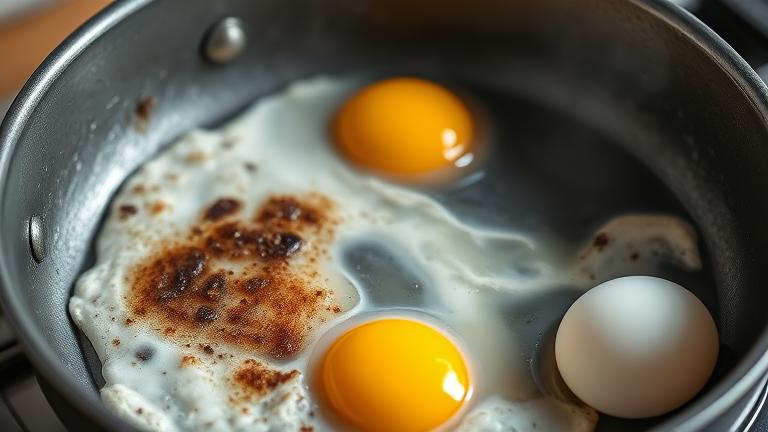
Introduction to Cooking Eggs Properly
Cooking eggs properly is essential for both safety and enjoying their best texture and flavor. Whether you like them runny, firm, or somewhere in between, understanding the basics helps you get perfect results every time. Properly cooked eggs not only taste better but also reduce the risk of foodborne illnesses caused by bacteria like Salmonella.
There are many popular methods for cooking eggs, including boiling, scrambling, frying, poaching, and baking. Each method has its own techniques and recommended times to achieve the ideal doneness. Knowing how long to cook eggs ensures they are safe to eat while maintaining a pleasant texture. For example, a soft-boiled egg usually takes about 4 to 6 minutes, while a hard-boiled egg generally needs 9 to 12 minutes.
Getting the timing right is key. Overcooked eggs can become rubbery or chalky, while undercooked eggs can be unsafe. It’s helpful to remember that different cooking methods require different durations, and factors like egg size, starting temperature, and your stove’s heat speed can affect cooking times.
Basic Methods and Proper Times
- Boiled Eggs: Bring water to a boil, then add eggs gently. For soft-boiled, cook for 4-6 minutes; for hard-boiled, 9-12 minutes. Immediately cool in ice water to stop cooking and make peeling easier.
- Scrambled Eggs: Whisk eggs thoroughly, pour into a heated pan, and cook over medium-low heat. Stir gently and frequently. Proper doneness is when eggs are just set but still moist, usually after 3-4 minutes.
- Fried Eggs: Use a non-stick pan with some butter or oil. Cook on medium heat. Sunny-side up takes about 2-3 minutes, while over-easy eggs need an extra flip and another 30 seconds to 1 minute.
- Poached Eggs: Simmer water with a splash of vinegar. Crack eggs into a small cup, then gently slide into water. Cook for about 3-4 minutes until whites are set but yolks remain runny.
- Baked Eggs: Crack eggs into a greased dish and bake at 350°F (175°C) for 12-15 minutes or until whites are firm.
Tips for Perfectly Cooked Eggs
- Always start with fresh eggs for the best texture and safety.
- Use a timer or watch closely to avoid over- or under-cooking.
- Adjust cooking times slightly depending on egg size and your equipment.
- For boiling, immediately place eggs in ice water after cooking to stop the process and make peeling easier.
- Safety first: cook eggs until whites and yolks are firm if you’re serving them to vulnerable groups like pregnant women or the elderly.
With these basics, you can confidently cook eggs to suit your taste and safety preferences. Practice makes perfect, and soon you’ll master your favorite eggs just the way you like them!
Signs of Overcooked Eggs
Overcooking eggs is a common mistake that can turn a simple breakfast into a TV show of textures and smells you don’t want. Knowing the signs of overcooked eggs helps you avoid ending up with rubbery, unappetizing results. Plus, it allows you to perfect your timing and get the most delightful eggs every time. Keep an eye out for these visual and sensory clues that eggs are overdone.
Color Changes
One of the first signs your eggs may be overcooked is a change in color. For scrambled eggs, the yolk and whites should be soft and moist. If you notice the eggs turning a dull, grayish or greenish hue, it’s a classic indicator they have gone too far. This discoloration happens because overcooking causes a chemical reaction within the proteins, turning them brown or gray. Similarly, boiled eggs that develop a greenish ring around the yolk are usually overcooked. While harmless, this ring signals the eggs have been cooked too long.
Texture Clues
- Rubbery or Chewy Texture: If your eggs feel tough and rubbery when you touch or bite into them, they are overdone. This is especially noticeable in scrambled eggs or omelets, which should be fluffy and tender. Overcooked eggs lose moisture and become tight, making them less pleasant to eat.
- Hard and Dry: Overcooked boiled eggs often turn dry and crumbly, especially around the yolk. Instead of a creamy center, the yolk might feel chalky or crumbly, indicating they’ve been cooked beyond the perfect point.
Odor Indicators
Sometimes, overcooked eggs develop a strange or sulfuric smell. This unpleasant odor comes from the formation of hydrogen sulfide gas when eggs are cooked too long. If your eggs emit a distinctly rotten or foul smell, it’s a sign they’ve been overcooked and may have some off-putting qualities. While a faint sulfur smell is normal in boiled eggs, a strong odor is a warning that they are beyond their best.
Surface Appearance
Overcooked scrambled eggs or omelets may develop a shiny, rubbery surface that is stiff and uninviting. They might also be unevenly cooked, with some parts dry and others still soft. For fried eggs, watch for edges curling up or becoming crispy and dark. These signs show the heat has been too intense or the eggs left on the pan too long.
Practical Tips to Prevent Overcooking
- Set a timer, whether using an alarm or a watch, especially when boiling eggs or making delicate preparations.
- Cook eggs on medium or low heat to avoid rapid overcooking.
- Remove eggs from heat immediately once they reach the desired consistency to prevent carryover cooking.
- If in doubt, check eggs frequently near the end of cooking, as they can shift from perfect to overdone quickly.
Changes in Texture and Color
When you cook eggs, their texture and color can change quite a bit depending on how long they are cooked. Understanding these changes can help you achieve the perfect consistency and appearance each time.
As eggs cook longer, the proteins in both the whites and yolks firm up. If you leave eggs on the heat too long, the whites can become rubbery — that stiff, chewy texture that feels bouncy in your mouth. The yolk can turn chalky, losing its creamy texture and becoming dry and crumbly. This often happens when eggs are overcooked, such as making hard-boiled eggs or scrambled eggs that sit on the stove too long.
Color changes are also common. The whites usually turn from clear or translucent to a solid white. Sometimes, they develop a slightly cloudy appearance if cooked just right. Overcooking can cause the whites to develop a greenish or grayish tint around the yolk. This discoloration is caused by a reaction between the iron in the yolk and the sulfur in the whites, and it’s harmless but can look unappetizing.
The yolk’s color can also shift during cooking. A runny, soft yolk will stay bright yellow or orange if cooked gently and briefly. But if you cook the egg longer, the yolk turns firmer and may become pale or grayish. For example, soft-boiled eggs cooked for 4 to 6 minutes keep the yolk liquid or creamy, while hard-boiled eggs left in boiling water for 10-12 minutes have a fully solid, firm yolk.
Here are some practical tips to avoid undesirable texture and color changes:
– Timing is key. Use a timer to cook eggs for the desired doneness.
– For soft eggs, cook at a gentle simmer and keep the cooking time to about 4-6 minutes.
– For hard-boiled eggs, boil for 9-12 minutes, then cool immediately in ice water to stop further cooking.
– When scrambling, cook on medium-low heat, stirring gently, to avoid rubbery eggs.
– If you notice the eggs turning grayish or greenish, remove them from heat immediately to prevent further color change.
Knowing how texture and color evolve as eggs cook helps you make the perfect dish. Whether you want a silky soft yolk or firm whites, controlling cooking time can make all the difference. Plus, understanding these changes helps prevent overcooking, which can ruin the appearance and mouthfeel of your eggs.
Why Overcooking Causes Egg Sulfurs
Have you ever peeled a hard-boiled egg and immediately noticed a strong, sulfur-like smell? That scent is caused by chemical reactions happening inside the egg when it’s cooked too long. Understanding why overcooking leads to egg sulfurs can help you avoid that unpleasant aroma and enjoy perfectly cooked eggs every time.
Eggs contain proteins and sulfur compounds naturally present in the yolk. When you heat an egg, these proteins start to denature or break apart. If you cook the egg just right, the proteins set, giving the egg a nice firm texture. But if you cook it too long or at too high a temperature, a chemical change occurs that produces sulfurous compounds, giving off that distinctive odor.
The main culprit behind the smell is a compound called hydrogen sulfide. Hydrogen sulfide forms when the sulfur in the egg’s yolk reacts with iron in the egg. This reaction is accelerated with prolonged heating. The more you cook the egg past its ideal point, the more hydrogen sulfide is released into the air and the egg itself. That’s why overcooked eggs, especially hard-boiled ones, tend to smell strongly of sulfur.
Another factor contributing to the sulfur smell is the breakdown of amino acids, particularly one called methionine, found in egg proteins. When eggs are cooked too long, methionine releases sulfur compounds during the breakdown process. These volatile compounds then escape from the egg, resulting in that characteristic odor.
It’s also helpful to know that the pH level of the egg influences how strongly the sulfur smell develops. Fresh eggs tend to have a neutral or slightly acidic pH, which limits sulfur release. As eggs age, their pH becomes more alkaline. An alkaline environment promotes more sulfur compound formation, which intensifies the odor when overcooked. So, fresher eggs are less likely to develop a strong sulfur smell if cooked properly.
A common mistake is boiling eggs for too long. Typically, boiling a large egg for about 9-12 minutes yields a perfect hard yolk without excessive sulfur smell. Cooking for longer increases the risk of overcooking. Using a gentle simmer instead of a vigorous boil can also help prevent rapid, uneven heating, reducing sulfurous reactions.
To avoid that sulfur-y smell, consider these practical tips:
- Use fresh eggs and cook them just until yolks are firm but not overdone.
- Set a timer so you don’t accidentally leave eggs boiling too long.
- Stop the cooking process quickly by transferring eggs to cold water once done. This “shocking” halts further chemical reactions.
- Avoid boiling eggs at a vigorous boil; simmering gently is gentler on the eggs.
Remember, moderate cooking is key. Knowing how and when the chemical reactions occur allows you to cook eggs that are flavorful, tender, and free of that undesirable sulfur odor. With these tips, you can enjoy perfectly cooked eggs every time, without the smell that overcooking can cause.
Effects on Nutritional Value
Overcooking eggs can actually reduce some of their nutritional benefits. Eggs are packed with important nutrients like vitamins, minerals, and high-quality protein. However, when cooked too long or at too high a temperature, certain nutrients can break down or become less available for your body to absorb.
One of the main nutrients affected by overcooking is vitamin B complex, especially vitamins B6 and B12. These are sensitive to heat and can degrade if eggs are cooked excessively. For instance, hard-boiled eggs left on the stove for too long might have lower levels of these vitamins compared to perfectly cooked eggs. Similarly, antioxidants like lutein and zeaxanthin, which are good for eye health, can also diminish in number when eggs are overcooked.
In addition, overcooking can influence the digestibility of egg proteins. While cooking actually helps make proteins more digestible, too much heat can cause proteins to become tough and less accessible. This means your body might not fully absorb all the amino acids, the building blocks of protein, if eggs are overcooked extensively.
Another point to consider is that excessive heat can lead to the formation of harmful compounds like advanced glycation end products (AGEs). These compounds are linked to inflammation and oxidative stress in the body. Although the amounts formed by normal cooking are usually small, overcooking can increase their presence, which is not ideal for overall health.
Practical Tips to Preserve Nutritional Value
- Cook eggs just until they are firm but not tough. For example, a soft-boiled egg with a slightly runny yolk retains more nutrients than a hard-boiled one left boiling too long.
- Avoid high-temperature methods like frying at very high heat or overcooking in the microwave for too long.
- Use gentle cooking techniques such as poaching or soft boiling to keep nutrients intact.
- Store cooked eggs properly and consume them within a few days to maintain their nutritional quality.
In summary, while eggs are nutritious and versatile, cooking them correctly is key to preserving their health benefits. By avoiding overcooking, you can enjoy all their nutrients and get the most out of this healthy food staple.
Tips to Avoid Overcooking Eggs
Cooking eggs perfectly can be a little tricky, especially if you’re aiming for just the right texture. Whether you’re boiling, scrambling, or frying, overcooking eggs can lead to a rubbery texture or an unappealing green ring around the yolk. Fortunately, with some simple tips, you can master the art of cooking eggs without going overboard.
First, know that timing is everything. Pay close attention to each method of cooking and set timers accordingly. For example, soft-boiled eggs usually take about 4-6 minutes, while hard-boiled eggs need around 9-12 minutes. Using a timer ensures you don’t leave eggs on the stove or in the oven for too long.
Another helpful trick is to use the right temperature as a guide. For boiling eggs, start with cold water, then bring it to a gentle boil. Once boiling, reduce the heat to low and set a timer. After the desired time, immediately transfer the eggs to a bowl of ice water. This stops the cooking process and prevents overcooking.
If you prefer scrambled eggs, remove them from heat just when they are slightly runny or moist. They will continue to cook from residual heat, so waiting a few seconds before removing them from the pan makes a big difference. Similarly, when frying eggs, cook over medium or low heat to avoid crisping and toughening the whites or yolks.
Use the Right Tools
- Timer: Always set a timer based on the egg type and size.
- Slotted spoon: Use it to carefully lift eggs out of hot water and stop the cooking instantly.
- Thermometer: For precise control, especially when cooking eggs in the oven or sous vide, a digital thermometer can be very helpful.
Practice and Adjust
Every stove and pot is different, so don’t hesitate to experiment a bit to find the perfect timing for your equipment. Keep notes of successful times and techniques so you can reproduce perfect eggs every time. Overcooking can also happen with larger eggs, so consider adjusting cooking times accordingly.
It’s also a good idea to check early and often when you’re learning. For example, if you’re boiling eggs, you can remove one small egg after a few minutes to check its doneness before cooking the rest. This way, you can tailor the timing to your preferences.
Prevent Overcooking with Residual Heat
- Remove eggs from hot water or pan as soon as they reach your desired doneness.
- Pour off hot water and transfer eggs immediately to an ice bath to halt cooking processes.
Remember, patience and attention are key. With these practical tips, you’ll avoid overcooking eggs and enjoy perfectly cooked dishes every time. The more you practice, the better you’ll get at judging the ideal cook time for your taste and equipment.
Perfect Egg Cooking Times Revealed
Getting your eggs just right can be surprisingly simple once you know the recommended cooking times. Whether you love a soft-boiled egg with a runny yolk or a hard-boiled egg suitable for snacks and salads, timing is key. In this section, you’ll find easy-to-follow guidelines for different types of eggs and dishes to help you achieve perfect results every time.
Soft-Boiled Eggs
Soft-boiled eggs have a delicate, runny yolk and a tender white. To get that perfect soft center, bring your eggs to a gentle boil, then reduce the heat and cook for about 4 to 6 minutes. Keep in mind, the exact time depends on the egg size and how runny you want the yolk. For a slightly firmer yolk, go for a full 6 minutes.
When done, transfer the eggs immediately to cold water to stop the cooking process. Tip: Gently tap around the shell and peel or serve directly in an egg cup with a small spoon for easy sipping.
Medium-Boiled Eggs
For a yolk that’s slightly creamy but not runny, aim for a cooking time of 7 to 9 minutes. These eggs are great for salads or toast. After boiling, cool in cold water for a few minutes. When you peel or cut into these eggs, the yolk should be firm but still moist and slightly soft in the center.
Hard-Boiled Eggs
Hard-boiled eggs are perfect for snacks, sandwiches, or deviled eggs. To achieve a fully firm yolk, cook the eggs for 10 to 12 minutes. Start by placing eggs in a pot, cover with cold water, then bring to a boil. Once boiling, reduce heat to a simmer and start timing.
After cooking, immediately cool eggs in ice water for at least 5 minutes. This cooling process helps make peeling easier and prevents a greenish ring around the yolk caused by overcooking.
Poached Eggs
Poached eggs require about 3 to 4 minutes in simmering water to achieve a tender white and a runny yolk. Keep the water just below boiling, swirling gently, then slide in a fresh cracked egg in a cup. Use a slotted spoon to lift the egg when the white is set but the yolk remains soft. For a firmer white, cook a minute longer.
Scrambled Eggs
For creamy scrambled eggs, cook over low heat for about 3 to 5 minutes, stirring constantly. For fluffier eggs, whisk well and cook for a similar time, but avoid high heat. Remove from heat just before they look fully set, as they will continue to cook from residual heat. Be careful not to overcook, which makes eggs rubbery.
Tips for Perfect Eggs Every Time
- Use eggs that are a few days old for easier peeling when hard boiling.
- Start with cold water for more even cooking and easier peeling.
- Adjust cooking times based on egg size and altitude, as higher altitudes may require longer cooking times.
- Always cool eggs quickly in ice water after cooking to stop the process and improve peelability.
With these simple timing tips, you can cook eggs perfectly for any dish or preference. Remember, a little practice makes perfect, so don’t be afraid to experiment and find your ideal egg texture!