
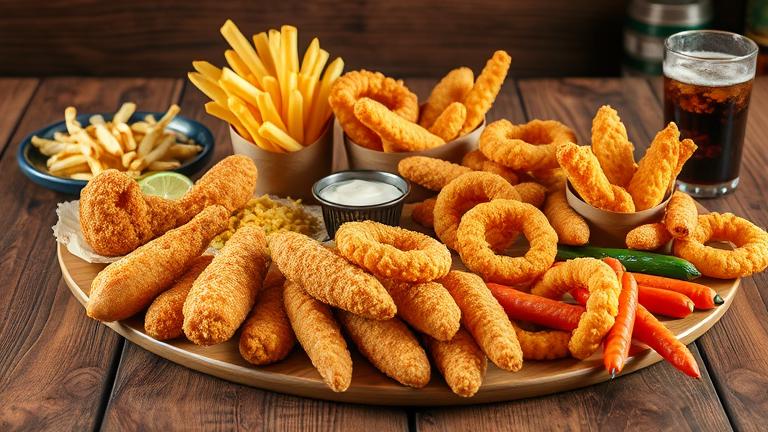
What Is Fried Food? An Overview
Fried food is a popular cooking method where food is cooked in hot oil or fat. This technique creates a crispy, golden exterior that many people find delicious. You might find fried foods on menus everywhere, from fast food restaurants to homemade family dinners.
Frying is one of the oldest cooking methods, dating back thousands of years. Today, it remains favored because it adds flavor and texture that other cooking methods might not achieve. Fried foods are often rich, satisfying, and perfect for sharing with friends or family.
There are different types of frying, but the most common are deep frying, pan frying, and stir frying. Deep frying involves submerging the food fully into hot oil, resulting in an evenly crispy coating. Pan frying uses less oil and is done in a shallow pan, ideal for items like burgers or cutlets. Stir frying, typically done in a wok, involves quick cooking with a small amount of oil, often used for vegetables and small pieces of meat.
Some of the most well-known fried foods include French fries, fried chicken, tempura vegetables, fish and chips, and even doughnuts. These dishes are loved all over the world and showcase the versatility of frying. Different countries have their own special fried treats, like Italian arancini or Filipino lumpia.
Fried food offers many benefits, such as enhanced flavor, appealing texture, and a satisfying crunch. However, because frying involves oil, it’s important to enjoy fried foods in moderation to maintain a balanced diet. Also, the type of oil used can affect the healthiness and flavor of the final product.
In addition to traditional frying, you might hear about healthier options like air frying or oven frying. These methods aim to give a similar crispy result but with less oil, making them a fun alternative for those watching their fat intake.
Understanding the basics of fried food helps you appreciate its appeal and provides a foundation for exploring various recipes. Whether you’re craving crispy chicken or golden onion rings, mastering fried foods can be both fun and rewarding in your home kitchen.
- Remember to use the right oil for the temperature and food type.
- Always be cautious with hot oil to prevent burns or fires.
- Enjoy fried foods as part of a balanced diet, not excess.
Healthier Ways to Fry Food
Frying can be a tasty way to prepare food, but it often brings concerns about health and nutrition. Luckily, there are smarter ways to fry that can help you enjoy your favorite dishes with less fat and fewer calories. By choosing healthier oils, controlling the frying temperature, and following some simple tips, you can make frying a more nutritious part of your cooking routine.
Choose Healthier Oils
The type of oil you use makes a big difference. Some oils are higher in healthy fats and withstand heat better, making them better options for frying. For instance, oils like olive oil, avocado oil, and canola oil are rich in monounsaturated fats, which are heart-friendly.
On the other hand, avoid oils with trans fats or those that are heavily processed. Stay away from palm oil or hydrogenated fats, which can contain unhealthy trans fats. Selecting oils with a high smoke point is also important, as it prevents burning and the formation of harmful compounds.
Tip: Use just enough oil to coat the food lightly—this reduces excess fat and makes your meal healthier.
Manage Temperature for Better Results
Temperature control is key when frying. Keeping the oil at the right heat prevents food from absorbing too much oil and getting greasy. Usually, a temperature of 350 to 375 degrees Fahrenheit is ideal for most frying; a thermometer can help monitor this.
If the oil is too cool, food can soak up extra oil, making it greasy and unhealthy. Too hot, and the outside might burn before the inside cooks properly. Use a deep-fry thermometer for accuracy, or test the oil by dropping in a small piece of bread—if it sizzles immediately and browns in a minute, you’re set.
Practice makes perfect. Adjust the heat as needed and avoid overcrowding the pan, which can cause the temperature to drop.
Other Tips for a Healthier Fry
- Opt for shallow frying instead of deep frying to use less oil.
- Pat food dry before frying—moisture can cause splattering and reduce the oil’s effectiveness.
- After frying, place food on a paper towel-lined plate to drain excess oil.
- Try alternative methods like air frying or oven baking for crispy results with less fat.
- Limit fried foods to occasional treats rather than regular meals.
Remember, even with healthier oils and careful temperature control, frying adds calories to food. Balancing fried dishes with plenty of vegetables and whole grains can help create a more nutritious diet. With these simple steps, you can enjoy fried favorites that are a little kinder to your health.
Popular Fried Dishes Worldwide
Fried foods are loved all around the world, offering crispy, savory bites that satisfy many cravings. From street stalls to fine dining, fried dishes reflect local ingredients, flavors, and traditions. Exploring these dishes can inspire your cooking and expand your culinary horizons.
Let’s take a tour of some popular fried dishes from different cultures. Each one has a unique flavor profile and history, showing how frying techniques adapt to local ingredients and tastes.
America: Fried Chicken
Fried chicken is a classic in the United States. Crispy on the outside and juicy inside, it’s often seasoned with spices like paprika, garlic, and black pepper. Many regions have their own take, from Southern buttermilk fried chicken to spicy Nashville hot chicken.
For perfect fried chicken at home, use a buttermilk marinade to tenderize the meat. Coat it with a seasoned flour mixture and fry in hot oil until golden brown. Remember, maintaining the right oil temperature (around 350°F or 175°C) is key to crispy, evenly cooked chicken.
Japan: Tempura
Tempura features vegetables and seafood lightly battered and fried until crisp. The batter is usually made with cold water, flour, and sometimes egg, creating a delicate crunch. It’s served with dipping sauces, often a simple soy-based or tentsuyu sauce.
To make tempura, handle the batter gently and don’t overmix. Keep the batter cold to ensure a light, airy coating. This dish is often cooked quickly in hot oil (around 340°F or 170°C), so ingredients remain tender and flavorful inside.
India: Samosa and Pakora
Indian fried snacks like samosas and pakoras are popular street foods. Samosas are pastry pockets filled with spiced vegetables or meat, then fried until crispy. Pakoras are vegetables or lentil pieces coated in chickpea flour batter and fried to golden perfection.
When frying these snacks, use enough oil to allow even cooking and avoid overcrowding. This will help ensure they turn out crispy rather than soggy. Serve with tangy chutneys for a full flavor experience.
Mexico: Churros
Churros are sweet, elongated fried dough coated in cinnamon sugar. They’re crispy on the outside and soft inside, often enjoyed with hot chocolate for dipping. Their simple ingredients include flour, water, salt, and a bit of sugar.
To make perfect churros, pipe the dough into hot oil using a star-shaped nozzle for a distinctive texture. Fry until golden and dust with cinnamon sugar while still warm. They are best enjoyed fresh.
France: Goujonnes and Beignets
French cuisine offers a variety of fried delights, such as goujonnes—breaded fish strips—and beignets, sweet fried dough often dusted with powdered sugar. Both are beloved for their light, fluffy or crispy textures.
For beignets, use a yeasted dough that rises before frying at 350°F (175°C). When frying fish goujonnes, coat them in seasoned breadcrumbs and fry until crispy. Both dishes are best served immediately for maximum enjoyment.
- Tip: Always use a thermometer to keep your frying oil at the right temperature. Too hot can burn foods quickly, too cool can result in greasy, soggy dishes.
- Tip: Cut ingredients uniformly for even frying. For example, slice vegetables evenly or pipe dough with a steady hand.
- Tip: Be cautious when frying – hot oil can splatter. Use a deep, heavy pot and avoid overcrowding to prevent accidents.
Fried dishes across the globe share a common appeal: their crispy texture and rich flavor. Experimenting with different recipes can bring international taste adventures into your own kitchen.
Tips for Perfect Fried Foods
Frying is a popular way to cook a variety of foods, from crispy chicken to golden fries. Achieving the perfect fried food involves a few simple tips that help ensure a crispy exterior and evenly cooked interior. Whether you’re a beginner or looking to improve your technique, these practical tips can make a big difference in your results.
Choose the Right Oil
Select an oil with a high smoke point, such as vegetable, peanut, or canola oil. These oils can handle higher temperatures without burning, which is key to getting that crispy crust. Avoid using butter or olive oil for frying, as they have lower smoke points and can burn quickly.
Properly Prepare Your Food
Pat your ingredients dry before frying. Excess moisture can cause oil to splatter and make foods soggy. For breaded items, ensure they are coated evenly using a dredging station: dip first in flour, then in beaten egg, then in bread crumbs or batter. This layer helps create a golden, crunchy coating.
Control the Temperature
Maintaining the right oil temperature is vital. Use a thermometer to keep the oil around 350°F to 375°F (175°C to 190°C). Too low, and foods can turn greasy; too high, and they may burn on the outside before cooking through. Test the temperature by dropping a small piece of bread or a bit of batter into the oil. If it sizzles and rises to the surface quickly, you’re good.
Don’t Overcrowd the Pan
Frying too many items at once lowers the oil temperature, resulting in greasy, uneven foods. Fry in small batches, giving each piece space. This prevents sticking and promotes crispiness.
Use the Right Tools
Utilize a deep, heavy pot or a fryer for safety and even heat distribution. Use a slotted spoon or spider tool to carefully lift foods out of the oil. Place fried foods on a wire rack or paper towels to drain excess oil, but avoid stacking them, which can make them soggy.
Practice Troubleshooting
- Food is soggy: Check the oil temperature; it might be too low or foods weren’t dry enough before frying.
- Food burns quickly: Reduce the heat slightly and watch closely during frying.
- Oil smokes or splatters excessively: Ensure correct oil type and that temperature isn’t too high.
Extra Tips for Success
- Use fresh oil when frying for the best flavor and texture.
- Adjust cooking times based on the size and thickness of your ingredients.
- Practice makes perfect. Don’t rush — take your time and monitor the oil temperature carefully.
With these tips, you’ll cook fried foods that are crispy on the outside and tender inside every time. Patience and attention to detail are your best allies when perfecting the art of frying. Happy frying!
The History of Fried Food
Fried food has a long and tasty history that spans many civilizations and centuries. It is beloved in many cultures around the world today, but how did frying become such a popular cooking method? Let’s explore its origins and how it has evolved over time.
The concept of frying food dates back thousands of years. Archaeological evidence shows that ancient civilizations, such as the Egyptians, were already frying foods like bread and small pieces of meat as early as 2500 BCE. They used simple tools and oils derived from plants or animals. Frying was a practical way to cook food quickly and make it more flavorful.
In China, fried foods have been part of traditional cuisine for many centuries. By the Tang Dynasty (618–907 AD), stir-frying and deep-frying techniques were well established. Chinese innovation brought new flavors and methods, such as coating foods in batter or flour before frying to create crispy textures. These methods spread along trade routes and influenced other Asian cuisines.
Moving westward, frying also became popular in the Mediterranean region. The Greeks and Romans enjoyed fried foods like fish, olives, and bread. The Romans, especially, fried foods in olive oil, a staple in their diet, and shared recipes for fried foods in their cookbooks. Their influence helped spread frying techniques across Europe.
During the Middle Ages, frying was mainly a luxury for the wealthy, as good quality oil was expensive. However, by the Renaissance, fried foods became more common among ordinary people, especially street vendors and tavern owners. Fried doughnuts, fritters, and other treats started appearing in cities across Europe. These sweet and savory snacks were easy to prepare and transport, making them popular street foods.
In the 18th and 19th centuries, frying took hold in America, especially with the arrival of European immigrants. Fried chicken, a classic Southern dish, has roots in both European traditions and African cooking methods. The use of cast iron skillets and vegetable oils like lard contributed to the development of Southern fried chicken. Meanwhile, the invention of deep-frying methods led to iconic foods like French fries and fried fish.
Industrialization in the 20th century made frying even more widespread. Fast food chains popularized foods like fried chicken, onion rings, and tempura. These foods became symbols of convenience and indulgence. Today, frying continues to adapt with new techniques, healthier oils, and diverse global flavors, but its roots lie in ancient practices of quick, tasty cooking.
- Be aware that frying methods and ingredients varied by region and era.
- Understanding this history can help you appreciate the evolution of fried foods today.
- Next time you enjoy fried fish or a crispy snack, remember you’re tasting a tradition that has traveled through centuries.
Types of Oil Used in Frying
When it comes to frying, choosing the right oil is key to getting crispy, delicious results. Different oils have different properties that can affect the flavor, texture, and health benefits of your fried foods. Understanding these options helps you pick the best oil for your recipe and dietary needs.
Several oils are popular for frying, each with its own advantages. Let’s explore some of the most common options and what makes them special.
Vegetable Oils
Vegetable oils, such as canola, soybean, and sunflower oil, are widely used for frying. They typically have a high smoke point which means they can be heated to high temperatures without burning. This makes them ideal for deep frying or pan frying.
These oils are usually neutral in flavor, so they won’t overpower the taste of your food. They are also often affordable and widely available in grocery stores.
Olive Oil
Olive oil, especially extra virgin, offers a rich flavor that can add a Mediterranean flair to your fried dishes. However, it has a lower smoke point compared to vegetable oils, which means it can start to smoke at lower temperatures.
For high-temperature frying, it’s better to use refined olive oil, which has a higher smoke point but less flavor. Extra virgin olive oil is excellent for shallow frying or finishing dishes with a drizzle of good quality oil.
Peanut Oil
Peanut oil is a favorite for deep frying, especially in Asian cuisines. It has a high smoke point and a slightly nutty flavor that can complement certain foods. It also resists oxidation well, meaning it can be reused a few times if stored properly.
However, people with peanut allergies should avoid using this oil, as traces can cause allergic reactions.
Coconut Oil
Coconut oil is gaining popularity for its unique flavor and health benefits. It has a high smoke point, especially the refined variety, making it suitable for frying. Its slightly sweet aroma adds a tropical touch to fried foods.
Keep in mind that unrefined coconut oil has a distinct coconut scent, which might not suit all dishes. It’s best used when you want that coconut flavor to shine through.
Tips for Choosing the Best Frying Oil
- Look for oils with high smoke points—above 400°F (204°C)—for deep frying.
- Choose oils that match your flavor preferences and dish style.
- Consider health aspects; some oils contain healthier fats like monounsaturated fats found in olive and peanut oils.
- Check if the oil is refined or unrefined to match your taste and cooking needs.
Common Mistakes to Avoid
- Using low smoke point oils at high temperatures, which can lead to smoking, burned flavor, and harmful compounds.
- Reusing frying oil too many times, risking off-flavors and degraded oil quality.
- Neglecting to store oils properly—keep them in a cool, dark place to prevent rancidity.
Choosing the right oil for frying can enhance your dishes and make the process safer and healthier. By understanding the properties of each oil, you can select the best one for your frying adventures and enjoy perfectly crispy, tasty results every time.
Common Mistakes When Frying
Frying is a popular cooking method that can produce delicious, crispy dishes. However, it’s easy to make mistakes that can affect the texture, taste, and even safety of your fried foods. Knowing these common errors can help you cook more confidently and get better results every time.
One of the most frequent mistakes when frying is not controlling the oil temperature. If the oil is too hot, the outside of your food might burn before the inside is cooked through. On the other hand, if the oil is too cool, your food can become greasy and soggy. To avoid this, it’s essential to use a thermometer and keep the oil at the right temperature, usually between 350°F and 375°F (175°C to 190°C) for most fried foods.
Another common error is overcrowding the pan. When you add too much food at once, the oil temperature drops suddenly. This results in uneven frying and greasy textures. Instead, fry in small batches, giving each piece enough room to cook evenly. This helps achieve that crispy, golden-brown finish everyone loves.
Handling food improperly can also cause problems. For example, if you add wet or damp items into hot oil, it can splatter and cause burns or a messy kitchen. Always pat your ingredients dry with paper towels before frying. Also, avoid overcrowding the frying basket or pan, since crowded food often sticks together or cooks unevenly.
Even temperature control and handling are vital, but timing is just as important. Keep a close eye on your frying time. Overfrying can lead to burnt, tough, or bitter flavors, while underfrying might leave your food undercooked and unsafe to eat. Follow recipe guidelines and test pieces to ensure they are cooked through and crispy.
Using the wrong type of oil can sometimes be a mistake. Oils with low smoke points, like extra virgin olive oil, are not suitable for high-temperature frying because they burn easily. Instead, choose oils with high smoke points such as vegetable, canola, or peanut oil. This helps prevent smoke, unpleasant flavors, and potential health hazards.
Lastly, safety should never be overlooked. Never leave hot oil unattended, and keep a fire extinguisher nearby. Be cautious when adding ingredients to the hot oil, and always use utensils that won’t melt or conduct heat poorly. Have a plan for safely disposing of or storing leftover oil after cooking.
- Maintain proper oil temperature with a thermometer.
- Fry in small batches to avoid temperature drops.
- Dry ingredients thoroughly before frying.
- Select oils with high smoke points for frying.
- Never overcrowd the pan or basket.
- Watch frying times closely to prevent over- or undercooking.
- Practice safety measures to prevent accidents.
By avoiding these common mistakes, you’ll turn simple frying into a rewarding experience, resulting in crispy, tasty dishes every time. Remember, practice makes perfect, and paying attention to details is key to mastering the art of frying.