
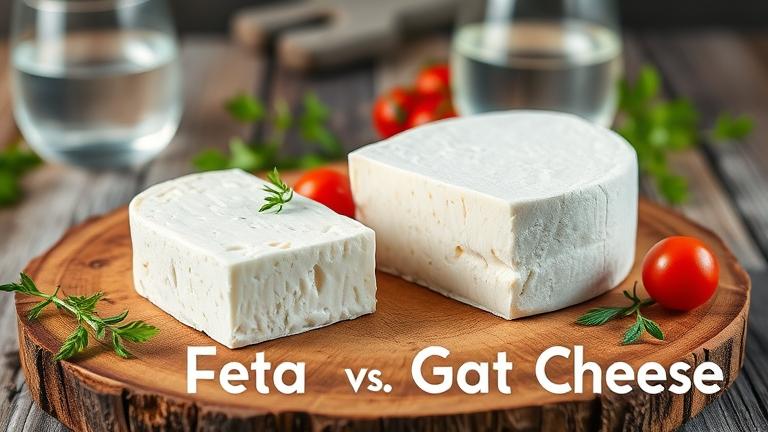
Health Benefits of Feta Cheese
Feta cheese is a delicious, tangy cheese that can add flavor to many dishes. But besides its great taste, feta also offers several health benefits. It is packed with important nutrients that can support your overall health when included in a balanced diet.
One of the main reasons feta cheese is healthy is because it is rich in protein. Protein helps build and repair tissues, supports muscle health, and keeps you feeling full longer. If you’re looking for a tasty way to boost your protein intake without relying on meat, feta is a good choice.
Feta is also loaded with calcium, which is essential for strong bones and teeth. Regularly eating calcium-rich foods like feta can help prevent osteoporosis and maintain bone density as you age. Plus, feta contains other minerals such as phosphorus and magnesium, which work together to keep your bones and muscles healthy.
In addition to nutrients that benefit your bones, feta cheese provides vitamins such as B12 and riboflavin. Vitamin B12 is important for your brain health and energy production, while riboflavin plays a role in converting food into energy. Just a small amount of feta can contribute to your daily vitamin needs.
Feta cheese is also lower in calories and fat compared to many other cheeses. It has a unique texture that allows you to enjoy flavor in smaller portions. Because of its lower fat content, feta can be a smarter choice if you’re watching your calorie intake or trying to eat heart-healthy foods.
Another benefit is that feta contains probiotics, which are healthy bacteria that can support your digestive system. Probiotics help maintain a good balance of gut bacteria, which can improve digestion, boost immunity, and even impact your mood positively.
It is worth noting that feta is naturally lower in lactose than some other cheeses, making it easier to digest for people with lactose intolerance. However, if you have severe lactose issues, it’s best to enjoy feta in moderation or consult your healthcare provider.
In summary, adding feta cheese to your meals can give you a nutrient boost while keeping your taste buds happy. To maximize health benefits, try using feta in salads, omelets, or as a topping for roasted vegetables. Remember, moderation is key even with healthy foods, so enjoy feta as part of a well-rounded diet.
Health Benefits of Goat Cheese
Goat cheese is a tasty and versatile ingredient that offers a range of health benefits. Many people choose goat cheese not only for its unique flavor but also because of its nutritional profile. If you’re looking to add a nutritious touch to your meals, goat cheese might just be a smart choice.
One of the main advantages of goat cheese is its easy digestibility. Unlike some other cheeses, goat cheese contains a different type of fat that is generally easier for your body to break down. This can be especially helpful for people who are sensitive to cow’s milk or have digestive issues. Additionally, goat cheese is naturally lower in lactose, which is the sugar found in milk that can cause discomfort for some individuals.
In terms of nutrients, goat cheese is rich in healthy fats, protein, and important minerals. It provides a good source of calcium, which is essential for strong bones and teeth. It also supplies magnesium, phosphorus, and zinc—minerals that support your overall health. Because goat cheese contains more short-chain and medium-chain fatty acids, it may help boost your metabolism and support weight management when eaten in moderation.
Another reason to consider goat cheese as part of your diet is its probiotic content. Like many fermented foods, some goat cheeses contain beneficial bacteria that support gut health. A healthy gut can improve digestion, strengthen your immune system, and help regulate your mood. Just look for labels that specify “live and active cultures” to get the maximum probiotic benefits.
When comparing goat cheese to cow’s milk cheese, it often has less saturated fat and calories. This makes it a good choice if you’re trying to eat heart-healthy foods. However, you should still enjoy it in moderation since it does contain calories and fat. Balance your diet with a variety of other nutrient-rich foods for overall health.
Though goat cheese has many health perks, it’s important to be mindful of its sodium content. Some varieties can be quite salty, which might not be suitable for people watching their salt intake. Always check nutrition labels if you’re following specific dietary restrictions.
Incorporating goat cheese into your meals can be easy and tasty. Use crumbled goat cheese on salads, spread it on whole-grain bread, or melt it in omelets. Its creamy texture and tangy flavor can enhance many dishes. Just remember to enjoy it as part of a balanced diet for the best health benefits.
Nutritional Comparison
When choosing between feta and goat cheese, understanding their nutritional profiles can help you make better choices for your diet and recipes. Both cheeses have unique flavors and health benefits, but they differ in calories, fats, proteins, and other important nutrients. Let’s take a closer look at how they compare.
Feta cheese is a soft, crumbly cheese traditionally made from sheep’s milk or a mix of sheep and goat milk. It’s known for its tangy flavor and salty taste. Goat cheese, often called chèvre, is made from goat’s milk and has a creamy texture with a slightly tart flavor. Both are popular in salads, spreads, and cooking dishes.
Calories and Fat Content
One of the first things to consider is calorie content. Feta cheese typically contains around 75-80 calories per ounce. It also has about 6 grams of fat, with a good portion being saturated fat. Goat cheese tends to be slightly lower in calories, averaging about 70 calories per ounce, and contains around 5 grams of fat. Both cheeses are flavorful, so you often only need a small amount to add richness to your meals.
When it comes to fats, goat cheese generally has a higher proportion of healthy fats like monounsaturated fats. Feta may contain more saturated fats, which should be enjoyed in moderation. If you’re watching your fat intake, consider portion size and incorporate these cheeses carefully into your diet.
Proteins and Nutrients
Both cheeses are good sources of protein. Feta provides about 4 grams of protein per ounce, while goat cheese offers about 3 grams. Protein helps build muscle and keeps you feeling full longer.
In addition to protein, these cheeses deliver important minerals. Feta is rich in calcium, which is great for bone health, with roughly 140 mg per ounce. Goat cheese also supplies calcium, but slightly less—about 60-70 mg per ounce. Both contain phosphorus, which supports teeth and bone strength, and smaller amounts of zinc and vitamin B12.
Other Key Nutrients and Considerations
- Sodium: Feta is notably high in sodium, with around 300-400 mg per ounce, making it somewhat salty. Goat cheese has less sodium, usually around 70-90 mg per ounce. If you need to watch your salt intake, goat cheese might be the better choice.
- Cholesterol: Both cheeses contain cholesterol, with feta having roughly 25 mg per ounce and goat cheese around 15-20 mg.
- Carbohydrates: Both are low in carbs, typically less than 1 gram per ounce, making them suitable for low-carb diets.
Summary of Nutritional Differences
| Nutrient | Feta (per ounce) | Goat Cheese (per ounce) |
|---|---|---|
| Calories | 75-80 | 70 |
| Fat | 6 grams | 5 grams |
| Protein | 4 grams | 3 grams |
| Sodium | 300-400 mg | 70-90 mg |
| Calcium | 140 mg | 60-70 mg |
Both feta and goat cheese can be part of a balanced diet, offering protein, calcium, and flavors that enhance many dishes. Keep an eye on sodium if you are sensitive to salt, and enjoy these cheeses in moderation. Whether you prefer the crumbly tang of feta or the creamy richness of goat cheese, understanding their nutritional differences can help you make smarter choices for your health and cooking needs.
Dietary Concerns and Considerations
When enjoying cheese, it is important to consider various dietary concerns that might affect your health or fit your specific diet. Cheeses can vary widely in ingredients, nutritional content, and how easily they digest. By understanding these factors, you can make better choices that suit your lifestyle and health needs.
One of the most common concerns with cheese is sodium content. Many cheeses, especially processed and aged varieties, contain high levels of salt. Excessive sodium can contribute to high blood pressure and other health problems. If you are watching your salt intake, look for cheeses labeled “low sodium” or choose fresher, less processed options like fresh mozzarella or ricotta. You can also reduce overall salt in your diet by balancing cheese consumption with other low-sodium foods.
Digestibility is another important consideration. Some cheeses are easier on the stomach, especially for those with sensitive digestion. Fresh cheeses such as cream cheese, cottage cheese, and mozzarella tend to be milder and easier to digest because they contain less aging and fermentation. On the other hand, aged cheeses like cheddar, Gouda, and blue cheese contain higher levels of bacteria and molds, which might cause discomfort for some people or those with digestive issues.
Allergies and Dietary Restrictions
Cheese is a dairy product, so people with lactose intolerance or a dairy allergy should be cautious. Lactose intolerance occurs when your body does not produce enough lactase, the enzyme needed to digest lactose, the sugar in milk. Symptoms include bloating, gas, and diarrhea after eating cheese. Fortunately, certain cheeses are naturally lower in lactose, such as Parmesan, Swiss, and aged cheddars, making them more tolerable for some people.
If you have a dairy allergy, it is best to avoid cheese altogether, as even small amounts can cause allergic reactions. Vegan options like plant-based cheeses made from nuts, soy, or root vegetables can be suitable alternatives. Always check labels for ingredients and allergens if you choose these replacements.
Suitability for Different Diets
Cheese can fit into various dietary plans, but some varieties may be more appropriate than others. For instance, if you are following a low-fat diet, opt for cheeses labeled “reduced fat” or “fat-free.” Cottage cheese and mozzarella are often lower in fat compared to double or triple-cream Brie or blue cheese.
For those on a low-carb or keto diet, cheese is generally considered a good source of fats and protein. Hard cheeses like Parmesan, aged cheddar, and Swiss work well because of their high fat content and minimal carbs.
Additional Tips
- Always check nutrition labels for sodium, fat, and lactose levels.
- Experiment with different cheese types to find ones that sit well with your digestion.
- Consider portion control to manage intake of salt and fat.
- When in doubt, consult a healthcare provider or dietitian for personalized advice regarding cheese and your dietary needs.
Understanding the dietary concerns around cheese helps ensure you enjoy it safely and guilt-free. Whether you are managing sodium, lactose, or fat intake, there are options and strategies to include cheese in your diet comfortably and healthfully.
Tips for Choosing Healthier Cheese Options
Cheese is a tasty and versatile food, but it can also be high in saturated fats and sodium. If you’re trying to make healthier choices, it’s helpful to know how to pick cheeses that fit into a balanced diet. Here are some practical tips to help you enjoy cheese without overdoing it.
1. Pay Attention to Portion Sizes
One of the easiest ways to enjoy cheese while keeping your calories and fat intake in check is to watch your portion sizes. Instead of reaching for a large slice or handful, try sticking to about one ounce per serving, which is roughly the size of your thumb or a pair of dice.
You can use a small kitchen scale or measuring cup to get familiar with what this looks like. Remember, even healthy cheeses can add up if eaten in excess. Cutting cheese into smaller pieces can help control portions and prevent overindulgence.
2. Read Labels Carefully
When shopping for cheese, take a moment to read the nutrition labels. Look for options that have lower saturated fat and sodium content. Some cheeses are naturally lower in fat, like mozzarella and cottage cheese, compared to richer ones like cheddar or Swiss.
Check the ingredient list for any added preservatives or unwanted additives. Organic or natural cheeses often have fewer preservatives, but always review the nutrition facts for a clearer picture of health benefits.
3. Choose Less Processed and Harder Cheeses
Processed cheeses tend to be higher in sodium and artificial ingredients. Hard cheeses like Parmesan, Pecorino, and aged cheddar typically have more intense flavors, so you can use smaller amounts to add flavor without increasing calorie intake.
Additionally, aged cheeses usually contain more nutrients and less moisture, meaning you might use less of them for the same flavor boost.
4. Pair Cheese with Healthy Foods
Combine small servings of cheese with nutrient-rich foods such as fresh fruits, vegetables, whole grain crackers, or nuts. This not only makes your snack more balanced but also adds fiber, vitamins, and antioxidants to your meal.
For example, pairing a slice of cheese with apple slices or carrot sticks turns a rich food into a nutritious snack. Using cheese as a flavor accent rather than a main component helps you enjoy it more healthfully.
5. Opt for Lower-Fat and Reduced-Sodium Varieties
Many brands now offer cheeses labeled as low-fat or reduced-sodium. These options can be a good choice if you’re trying to cut back on unhealthy fats or salt. Keep in mind, though, that some low-fat versions may have added sugars or preservatives, so always check the labels.
If you prefer natural cheeses, look for versions marked as “light” or “part-skim,” which typically contain less fat but still deliver good flavor.
6. Use Cheese as a Flavor Enhancer
Instead of loading up your dishes with large amounts of cheese, try using it sparingly to enhance flavor. A small sprinkle of Parmesan on pasta, a dash of shredded cheese on salads, or a thin slice on sandwiches can satisfy your cravings without excess calories or fat.
This approach allows you to enjoy cheese’s rich taste while maintaining a healthier overall meal.
Summary of Tips for Healthier Cheese Choices
- Control portions — aim for about one ounce per serving.
- Read labels to choose lower fat and sodium options.
- Pick less processed and aged cheeses to maximize flavor with less quantity.
- Pair cheese with fruits, vegetables, and whole grains for balanced snacks.
- Look for low-fat or reduced-sodium varieties when possible.
- Use cheese as a flavor enhancer rather than the main ingredient.
By following these simple tips, you can enjoy cheese as part of a healthy diet. Start small, make smarter choices, and savor the delicious flavors while taking care of your health.