
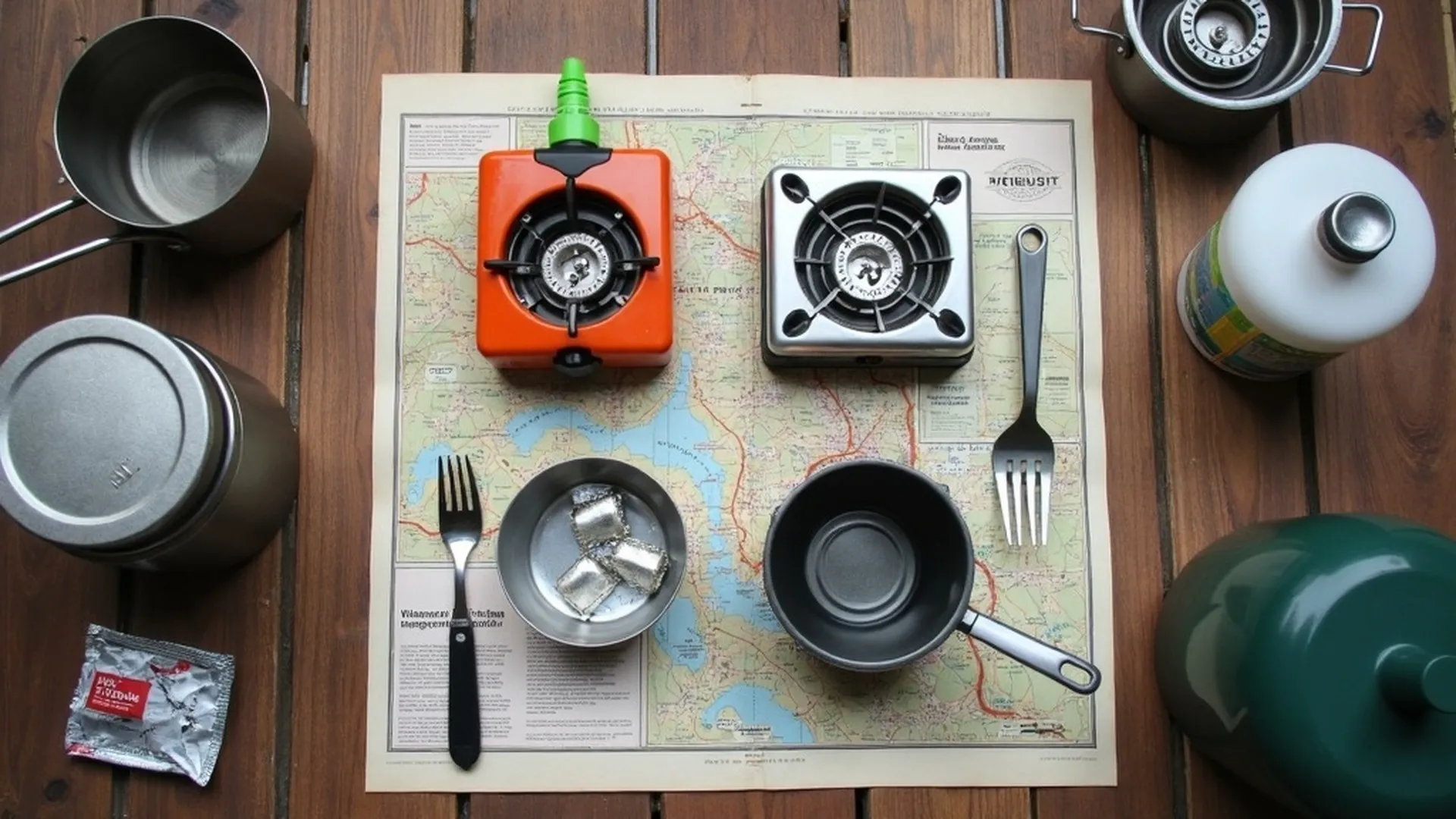
If you want the best emergency stove for most situations, a small canister stove like the MSR PocketRocket or any similar compact gas stove is usually the top choice. It is fast, lightweight, easy to use, and reliable when you need heat right away.
These stoves work with screw-on gas canisters, which are simple to store and carry. You just attach the stove, turn the valve, and light it. In an emergency, that kind of speed makes a big difference. They also boil water quickly, which is great for cooking simple meals or making safe drinking water.
If you want something that does not rely on gas, a small alcohol stove is another solid option. It burns cleanly and the fuel is easy to find. It is slower than a gas stove but still dependable when you need a basic cooking setup.
For people who prefer something that works with sticks or twigs, a lightweight wood burning stove can also work well. It saves you from carrying fuel at all, which is helpful during long power cuts.
In the end, pick a stove that feels simple and safe for you. The best emergency stove is the one you can use confidently when things get tough.
Why You Need an Emergency Stove
Having an emergency stove matters more than people think. When the power goes out or a storm hits, you still need to eat and drink. A stove helps you boil water for safety, heat simple meals and even warm drinks that keep your spirits up. I once had a twenty four hour blackout and without a stove, I would have eaten cold canned food the whole time. With a stove, I was able to make soups and tea, which made the whole situation way easier. In an emergency, even a small warm meal feels like comfort. A stove is not just a tool. It is a type of security.
Key Features to Look For
When you are choosing an emergency stove, portability matters a lot. Some stoves look amazing online but feel super heavy in real life. I made that mistake once. I bought a metal stove that felt like carrying a bowling ball. If a stove is too heavy, you might not use it when you need it. Fuel type is another big thing. Gas canisters are easy but sometimes hard to find during storms. Liquid fuel can be strong but needs more skill. Wood stoves are fun but useless when everything is wet. Also think about how fast the stove heats water because slow stoves waste time and fuel. And always check for stability. A wobbly stove is dangerous. The best stove is simple to use even when you are tired or stressed.
Fuel Types Compared: Pros and Cons
Gas canister stoves are easy and fast. You twist the canister on, light it and you are ready. They burn clean and boil water quickly, but in cold weather they do not work as well. Once during a storm I could not find any canisters in the stores. They were all sold out. Liquid fuel stoves are great for cold weather and long trips. They are powerful but harder to use because you must pump and prime them. Solid fuel tablets are lightweight and convenient but burn slower. They leave a sticky residue on pots too. Wood burning stoves are fun and use natural fuel like sticks and pine cones. But if everything outside is wet, you will struggle to cook anything. Each fuel type has its strengths. The best one depends on what kind of emergencies you expect.
Safety Considerations You Cannot Ignore
Safety should always come first. Never use a stove in a closed room. Even tiny flames make fumes that can make you sick. I once used a stove in a tent and felt dizzy before I even realized the air was bad. Always keep the air moving. Also make sure the stove sits on a flat and stable surface. I had a pot fall off once because the legs of the stove were tiny and uneven. It was a mess and a little scary. Fuel leaks are dangerous too. Always check canisters and bottles before lighting anything. Keep flammable items far away and never walk away from a running stove. Accidents happen when people stop paying attention. Have a little water or sand nearby to put out small flames. A few simple habits make stove use much safer.
Top Use Cases and How to Match the Stove
Different situations need different types of stoves. If you want one for home emergencies, choose a strong and stable canister stove that can hold bigger pots. These work great when the power goes out. For car kits, something tiny and simple like a folding stove with solid fuel tablets works better. You do not need a gourmet stove in your trunk. You just want something that can heat water. For bug out bags, weight matters the most. A small alcohol stove or mini gas stove is perfect because it fits easily and does not slow you down. For camping or outdoor trips, wood burning stoves can be fun and practical, but they depend on dry wood. I once tried to use one after it rained and could barely get it lit. The best stove is the one that fits what you actually do, not the one that looks the coolest online.
Budget vs Premium Models: What Is Worth Paying For
Budget stoves work fine for simple things, but they are not always strong. I tried a cheap stove during a windy day and the flame kept blowing out. It drove me crazy. Budget stoves usually have thin legs and smaller burners. But they are great if you just need something for small meals or boiling water once in a while. Premium stoves cost more but they work better in cold weather, wind or tough conditions. They heat faster, stay stable and sometimes run on different fuels. I once used a friend’s multi fuel stove in the snow and it worked better than any stove I owned. But expensive does not always mean better for everyone. If your needs are simple, a basic model is perfect. If you camp often or deal with harsh weather, a premium stove is worth the price.
Maintenance and Storage Tips to Maximize Lifespan
Taking care of your stove keeps it ready for real emergencies. Clean it after each use because soot and residue build up fast. Solid fuel leaves sticky marks and wood stoves fill with ash. Fuel should be stored in a cool place. Gas canisters should not sit in hot rooms. Liquid fuel bottles must be tightly sealed. I once stored a bottle in a warm shed and the pressure made the cap swell. It scared me enough to start storing fuel safely. Keep the stove in a place you can find quickly. Test parts like rubber seals and legs every few months. They get old and can crack. Practicing with your stove once in a while also helps. The more you use it, the more confident you feel when an emergency hits.
How to Test Your Emergency Stove Before You Need It
Testing your stove ahead of time is one of the smartest things you can do. Start with a simple boil test. Fill a pot with water and see how long it takes. Some stoves take forever. Others are fast. Knowing this helps you plan fuel storage. Try using the stove in wind or at night so you know how it behaves in real conditions. One time I tried cooking in the dark and could not find the valve without a flashlight. Now I keep a small headlamp in my kit. Make sure the stove stays stable when there is weight on it. Check fuel attachments for leaks and learn how the stove lights. Cooking something small during a practice session teaches you how much fuel you really need. Testing builds confidence and makes emergencies less stressful.
Common Mistakes to Avoid
A very common mistake is forgetting to buy fuel. I have done it. I bought a stove, stored it proudly and did not buy fuel at all. During a blackout, I pulled the stove out and had nothing to burn. Another mistake is using the stove indoors without ventilation. Even small flames can make bad air. People also set stoves on unstable surfaces. I had a pot fall once because the surface was uneven. Not practicing is another mistake. Opening a stove for the first time during an emergency is confusing and stressful. People forget to carry backup ignition like matches or lighters too. Redundancy is important. And never ignore old or damaged parts. A quick check every few months keeps the stove dependable.
My Top Recommendations and Final Picks
The best stove depends on your needs. For home emergencies, a stable canister stove is great. They boil water fast and handle bigger pots. For car kits, small folding solid fuel stoves are perfect. They cannot spill, they are tiny and they work well for quick meals. For bug out bags, lightweight mini stoves are the best because they keep your pack light. For cold weather or heavy camping, multi fuel stoves are powerful and reliable. I have used many and learned that the best choice is the one you feel comfortable using. A simple stove you trust is better than a fancy stove you do not understand. Always test your stove before relying on it.
Conclusion
Choosing the best emergency stove is really about choosing what fits your life. You do not need the most expensive or the most complicated stove. You just need one that works for your situation. Think about where you live, the emergencies you face and how much fuel you can store.
Practice ahead of time so you feel ready. A good emergency stove brings peace of mind. It helps you stay calm, warm and fed during hard times. Pick the one that feels right for you, test it and keep it somewhere easy to reach. And if you have a story about a stove that worked great or failed badly, share it. We all learn from each other and that helps everyone stay prepared.