
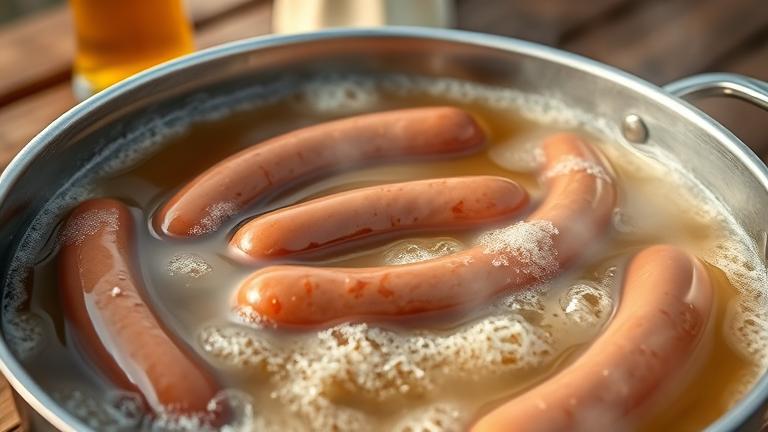
Benefits of Boiling Brats in Beer
Boiling bratwurst in beer is a popular technique that many home cooks and grill masters swear by. This method not only cooks the sausages thoroughly but also enhances their flavor and texture in several enjoyable ways. Using beer as part of the cooking process can turn ordinary brats into a mouthwatering treat with added depth and richness.
One of the biggest advantages of boiling brats in beer is the flavor infusion. Beer contains malt, hops, and yeast, which can add subtle flavors to the sausages as they cook. When you simmer bratwurst in beer, these flavors seep into the meat, giving it a richer, more complex taste. Different types of beer can bring different nuances—light lagers add a mild sweetness, while darker ales give a deeper, caramel-like flavor. Experimenting with various beers can personalize your bratwurst to match your taste preferences.
Another benefit is improved juiciness. Boiling in beer creates a gentle, moist heat environment that helps retain the sausages’ natural juices. This means your brats stay moist and succulent rather than drying out during cooking. The beer’s moisture surrounds the meat, preventing it from becoming tough or stringy. As a result, you get juicy, flavorful sausages every time.
Furthermore, beer infusion can make your bratwurst tender. The alcohol and other compounds in beer help break down connective tissues in the meat, resulting in a softer, more tender texture. This is especially helpful if your brats are slightly thicker or more fibrous. The gentle simmering in beer ensures even cooking, avoiding the rubbery or chewy outcomes that sometimes happen with high heat grilling alone.
A practical tip is to use the same beer you plan to serve with the brats for the boiling process. This way, the flavors blend seamlessly. Also, consider adding aromatics like onions, garlic, or herbs to your beer bath for an extra boost of flavor. Keep an eye on the simmer; you want a gentle boil, not a rolling one, to prevent the sausages from bursting or becoming overcooked.
- Adding beer during boiling enhances flavor and makes the bratwurst more delicious.
- The moist environment helps keep the meat juicy and tender.
- Beer infusion can soften tougher sausages, making them more enjoyable to eat.
In summary, boiling brats in beer is a simple step that can elevate your sausage game. It boosts flavor, maintains juiciness, and ensures tender results. Next time you cook bratwurst, try this method—you might find it becomes your new favorite way to prepare them.
How Beer Enhances Flavor and Juiciness
Using beer in sausage making is a popular trick that adds both flavor and moisture to the final product. When you mix beer into your sausage mixtures, it does more than just introduce a subtle, malty background. It interacts with the meat and fat to create a richer, juicier, and more flavorful sausage.
But how exactly does beer work its magic? The answer lies in its unique components. Beer contains water, alcohol, hops, and malted grains, each playing a role in enhancing the sausage’s qualities. Understanding these can help you choose the right beer and use it wisely in your recipes.
How Beer Improves Flavor
First, beer adds a depth of flavor that straightforward seasonings can’t match. The malted grains provide a slightly sweet, nutty taste, while hops contribute a bitter note that balances richness. Depending on the type of beer you choose, the flavor can range from light and refreshing to dark and robust.
Imagine using a pale ale in a sausage mix. It imparts a subtle citrus and pine aroma, making the sausage lively and complex. On the other hand, a stout can add smoky, roasted flavors that deepen the overall taste. When selecting beer, consider how its flavor profile complements your ingredients.
How Beer Keeps Sausages Juicy
Juiciness in sausages depends a lot on moisture retention during cooking. Beer helps with this because it contains water and alcohol, both of which influence the meat’s texture.
During cooking, the alcohol in beer evaporates, creating small steam pockets inside the sausage. These pockets help keep the meat moist and tender. Plus, the water in beer acts as a tenderizer, breaking down muscle fibers and making the sausage softer and more succulent.
Additionally, the acids present in beer (like malic and lactic acid from fermentation) slightly break down proteins, allowing the meat to retain more moisture. This results in a juicy bite every time, especially if you don’t overcook the sausages.
Which Components of Beer Make a Difference?
| Component | Role in Sausage |
|---|---|
| Water | Provides moisture, helps keep the meat tender and juicy |
| Alcohol | Enhances flavor, helps dissolve fats and flavors, and creates steam to retain moisture |
| Malt and sugars | Add sweetness and richness, balancing spices and seasonings |
| Hops | Contribute bitterness and aromatic qualities, adding complexity to flavor |
| Fermentation acids | Break down proteins slightly, improving moisture retention and tenderness |
Choosing the right beer depends on your taste preference and the sausage style. Light beers work well for subtlety, while darker beers bring boldness. Experimenting with different types can yield unique and delicious results.
Keep in mind, too much beer can make the mixture too runny, so add gradually and test the texture. Also, remember that high alcohol content can evaporate during cooking, so don’t worry if you don’t taste much alcohol in the finished sausage.
Best Types of Beer for Boiling Brats
Choosing the right beer for boiling brats can elevate your sausage game. The beer you select adds flavor, aroma, and depth to your brats, so it’s worth picking one that complements the meat and your seasoning. When shopping for beer, consider things like flavor profile, alcohol content, and how well it pairs with other ingredients.
Most cooks prefer lagers, ales, or stouts for boiling brats. Each type brings something unique to the table. Let’s explore these options so you can decide which is best for your next cookout.
Lagers
Lagers are a popular choice for boiling brats. They are light, crisp, and smooth, making them versatile for many flavors. A basic lager provides a mild maltiness that complements the savory taste of the sausage without overpowering it.
For a balanced flavor, opt for a pale lager or pilsner. These beers have a clean, refreshing taste that keeps the focus on the brats. Beer with around 4.5% to 5.5% alcohol by volume (ABV) works well because it adds flavor without being too strong.
- Example: Budweiser, Heineken, or Pilsner Urquell
Ales
Ales are more flavorful than lagers, often with richer aromas and a bit of sweetness. They add depth and a slight caramel note to your brats, which is particularly nice if you want a more robust taste.
For boiling, you might choose an amber ale or a brown ale. These beers have moderate ABV, usually around 4% to 6%, which enhances flavor without too much alcohol loss during simmering.
- Example: Sierra Nevada Pale Ale, Newcastle Brown Ale
Stouts
If you prefer a rich, intense beer, stouts are a good pick. They have bold roasted flavors and dark fruit notes that give your brats a smoky, complex flavor. This is great if you enjoy a hearty, full-bodied taste.
Because stouts tend to be higher in alcohol content, around 4.5% to 8%, use them sparingly. Their strong flavor might overshadow the sausage if too much is used, so consider adding a splash or mixing with a lighter beer.
- Example: Guinness, Murphy’s Irish Stout
Tips for Choosing the Best Beer for Boiling Brats
- Pick a beer you enjoy drinking. The flavor will transfer to the meat.
- Stay away from overly sweet or heavily hopped beers, as they can produce bitter or undesirable tastes.
- Consider the overall flavor profile of your meal. Light beers work best with milder seasonings, while darker beers suit richer spices.
- Don’t worry about using expensive craft beer; a good-quality domestic beer often works just as well.
By selecting the right beer, you add more than just flavor—you create a memorable sausage experience. Whether you choose a light lager, a flavorful ale, or a bold stout, your brats will turn out delicious and full of character.
Step-by-Step Cooking Tips
Boiling brats in beer is a simple and flavorful way to prepare this tasty sausage. The beer adds moisture and extra flavor, making your brats juicy and delicious. To get the best results, follow these practical tips for preparation, cooking times, and temperature control.
1. Choose the Right Beer
Select a beer that complements the flavor of your brats. Light lagers, pilsners, or pale ales are popular choices because they add a subtle maltiness without overpowering the sausage. You don’t need anything fancy; a basic domestic beer works well and keeps the process affordable.
2. Prepare the Brats and Equipment
- Place the brats in a large pot or saucepan.
- Pour in enough beer to cover the sausages completely. Generally, about 2 to 3 cups of beer per pound of brats is a good ratio.
- Add optional flavorings, like sliced onions, garlic, or herbs, for extra taste.
Make sure your pot is large enough so the sausages aren’t crowded. Crowding can lead to uneven cooking and less flavor absorption.
3. Control the Temperature and Cook Time
- Start by heating the beer mixture over medium heat.
- Bring it to a gentle simmer—not a full boil. A gentle simmer prevents the sausages from bursting and keeps them tender.
- Once simmering, reduce the heat to low. Maintain a steady, gentle simmer.
- Cook the brats for about 20-30 minutes. Thinner sausages may be done closer to 20 minutes, thicker ones may take longer.
This cooking time allows the flavors to meld and ensures the brats are thoroughly cooked. Use a meat thermometer to check that the internal temperature reaches at least 160°F (71°C), which is the safe temperature for pork sausages.
4. Finish with Grilling or Searing
After boiling, many cooks like to give the brats a quick sear on the grill or in a hot skillet. This step adds a crispy exterior and enhances flavor. Just transfer the brats and cook over medium-high heat for 2 to 3 minutes per side until browned.
5. Serve and Enjoy
Serve your beer-boiled brats with your favorite buns, condiments, and sides. Because they’ve been simmered in beer, they’re juicy and flavorful with every bite.
Tips for Perfect Brats:
- Don’t overcook; sticking to the 20-30 minute range prevents them from becoming tough.
- If you prefer a smoky flavor, add a splash of liquid smoke to the beer or finish on a grill with wood chips.
- Use tongs or a slotted spoon to carefully remove the brats from the beer to keep them intact.
By following these simple steps, your beer-boiled brats will come out juicy, flavorful, and perfectly cooked every time. Enjoy the process and savor your delicious creation!
Common Mistakes to Avoid
Boiling is a fundamental step in many cooking and brewing recipes, but it can be tricky to get right. Whether you’re boiling pasta, vegetables, or brewing beer, certain mistakes can lead to less-than-ideal results. Knowing what to watch out for helps you achieve perfect outcomes every time.
One common mistake is overboiling. When something boils too long, it can become mushy or lose its flavor. For example, boiled vegetables might turn soggy, and pasta can become overly soft and sticky. To prevent this, set a timer and keep an eye on your dish. Remember, you can always remove it from the heat sooner if it looks done. Also, using a lid can speed up the boiling process, but be cautious not to boil over. Keep the heat at a gentle boil rather than a vigorous one, especially with delicate foods.
Another mistake is using the wrong type of beer when boiling or brewing. Not all beers are suitable for cooking or brewing purposes. Beers that are too hoppy or too bitter can overpower your dish or brew. It’s best to choose a mild beer that complements your recipe without overwhelming it. For example, a light lager or pale ale typically works well in cooking, while more robust beers like stouts or porters are great for brewing richer flavors.
Additionally, some home cooks forget to add enough salt or seasoning during the boiling process. Adding salt to the water when boiling pasta or vegetables enhances flavor and helps maintain the food’s texture. A good rule of thumb is to make the water taste like seawater before adding your ingredients. Don’t forget to taste and adjust your seasonings after boiling, especially if you’re making a soup or stew.
It’s also a mistake to leave the boiling unattended for too long, especially when using high heat. Over-boiling can cause splattering or even accidents in the kitchen. Always stay nearby and adjust the heat as needed. A gentle simmer is often better than a hard boil for delicate foods. For example, when boiling eggs, a gentle simmer prevents them from cracking and getting rubbery.
- Use a timer to avoid overcooking or undercooking foods.
- Select beers that match your recipe’s flavor profile.
- Add enough salt to the water to enhance taste.
- Monitor the heat to prevent boiling over or splattering.
- Stay nearby when boiling to catch any sudden boil overs.
By being mindful of these common mistakes and taking simple precautions, you’ll boost your confidence in boiling and get consistently delicious results. Practice makes perfect, so don’t worry if it takes a few tries to master the process. Happy boiling!
Cultural and Historical Reasons
Boiling brats in beer is a popular cooking method that has deep roots in German and Central European traditions. This technique is more than just a way to cook sausages; it carries cultural significance and reflects regional tastes and customs. The practice of boiling brats in beer likely started as a way to enhance flavor and keep sausages moist during festive celebrations.
Historically, Germans have enjoyed sausages as part of their culinary heritage for centuries. In many regions, especially in Bavaria and the Rhineland, brewing beer and making sausages have long been cherished local crafts. Combining these two elements into one cooking method demonstrates how food can reflect community identity and cultural pride. Over time, this method spread beyond Germany, influenced by immigrants and regional exchanges, especially in areas with a strong German heritage like parts of the United States.
In various regions, boiling brats in beer is associated with specific traditions and celebrations. For example, during Oktoberfest, a world-famous beer festival in Germany, it is common to serve bratwurst cooked in beer, celebrating both beer culture and hearty Bavarian cuisine. Similarly, in many American festivals and barbecues, this method is popular because it brings out complex flavors and makes the sausages extra tender.
The type of beer used also holds cultural significance. Light lagers are often chosen for their mild flavor, which complements the sausage, while darker ales or stouts can add richer, deeper tastes. Some regions have traditional beer recipes that are specifically paired with certain types of sausages, strengthening local culinary identity.
Regional variations of this cooking technique highlight unique local flavors and customs. In some areas, people add herbs or spices to the beer broth, reflecting local tastes. Others might serve the brats with regional sides like sauerkraut or pretzels, further emphasizing local traditions. These variations make the process adaptable and personal, allowing cooks to celebrate their heritage with a modern twist.
Understanding these cultural and historical reasons helps us appreciate boiling brats in beer as more than just a cooking method. It’s a culinary tradition that connects communities through shared flavors, celebrations, and history. Whether enjoyed at a festive gathering or a casual backyard cookout, this technique embodies the warmth and richness of regional food cultures.
Serving Suggestions and Pairings
Boiled brats in beer are a classic, flavorful dish that’s perfect for casual gatherings or family dinners. To make your meal even more enjoyable, consider a few simple serving tips and tasty pairings. The key is to highlight the savory, juicy sausage while creating a balanced plate that everyone will love.
Start by choosing a good presentation. Arrange the brats on a platter with some fresh, crusty bread or soft rolls nearby. You can also serve the sausages directly from the pan or skillet, keeping warm over low heat. Garnish with chopped onions, mustard, and maybe a few pickle slices for added flavor and color. A sprinkle of fresh herbs, like parsley or chives, can make the dish look inviting and fresh.
Side Dishes to Complement Boiled Brats
- Potato options: Classic choices include German potato salad, crispy roasted potatoes, or buttery mashed potatoes. These starchy sides soak up the beer-infused juices and provide a hearty base.
- Vegetable sides: Simple steamed or roasted vegetables like green beans, Brussels sprouts, or carrots add a fresh, healthy touch to the meal. A tangy coleslaw or a crunchy pickle salad also pairs well by cutting through the richness of the sausage.
- Grain-based dishes: Consider serving with rye or pretzel rolls, crusty French baguette, or even soft buns for a traditional feel. These breads are great for holding the juicy brats and toppings.
Complementary Beverages
Because the main dish involves beer, choosing beverages that complement or contrast this flavor can elevate your meal. Light beers such as pilsners, lagers, or wheat beers work beautifully because they refresh the palate without overpowering the sausage.
If you prefer non-alcoholic options, try sparkling water with a slice of lemon or a crisp apple cider. For a more festive touch, serve a traditional German beer or even a fruity soda that matches the savory flavors of the brats.
Presentation Ideas for an Enjoyable Meal
- Family-style: Serve the sausages and side dishes on large platters, encouraging everyone to help themselves. Use colorful bowls and bright napkins for a fun, inviting look.
- Plated service: Plate the brats with a generous spoonful of mustard, a side of potato salad, and a few vegetable garnishes. Garnishing with fresh herbs adds a pop of color, making the dish visually appealing.
- Outdoor picnic: Pack the sausages and sides in a picnic basket, and set up with picnic blankets and rustic tableware. This relaxed setting pairs perfectly with the casual, comforting nature of boiled brats in beer.
Remember, the goal is to create a meal that’s both fun and satisfying. Whether you serve your boiled brats with traditional sides or get creative with new pairings, a good presentation and thoughtful combinations will make your meal memorable. Enjoy the process and have fun sharing this flavorful dish with friends and family!