
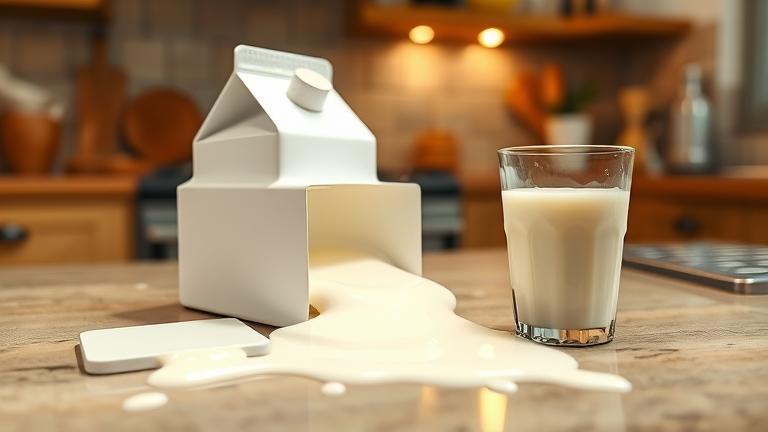
Common Causes of Sour Milk
Sour milk happens when fresh milk turns into a tangy, unpleasant-tasting liquid. Many home cooks wonder why this happens before the milk’s expiration date. Usually, sour milk results from bacterial activity and how the milk is stored. Knowing these causes can help you prevent spoilage and identify when milk is no longer good to use.
The main reason milk becomes sour is because of bacteria. Milk naturally contains tiny microorganisms, including lactic acid bacteria. When milk is left out at room temperature or stored improperly, these bacteria begin to multiply rapidly. As they do, they produce lactic acid, which causes the milk to develop that distinctive sour smell and taste. This process is often quick in warm environments but can also happen in the fridge if the milk is kept too long.
Another common cause is how the milk is stored. If the container is not sealed tightly, airborne bacteria can contaminate the milk. Exposure to air also allows other microorganisms from the environment to get in, speeding up spoilage. Using a dirty or unclean container can also introduce bacteria, so always pour milk into a clean container and keep it covered.
Temperature plays a big role in how fast milk sours. Milk stored at temperatures above 40°F (4°C) encourages bacterial growth. That’s why it’s important to keep milk refrigerated and avoid leaving it out at room temperature for extended periods. Even after the sell-by date, milk can stay fresh for a few days if kept cold. But once it warms up, bacteria flourish quickly.
Sometimes, milk can become sour even before its expiration date if it’s been exposed to contaminants or temperature fluctuations. For example, if you forget to close the fridge door properly or if the milk is near the back where temperatures are slightly higher, it may spoil faster. Light exposure, especially sunlight, can also degrade milk quality over time, though it’s less common as a cause of sourness.
Other factors include how the milk was handled at the store. Sometimes, milk can be contaminated at the point of purchase if the packaging is damaged or dirty. Always check the milk for a clean seal, proper packaging, and a good sell-by date before buying.
- Keep milk refrigerated at or below 40°F (4°C).
- Always store milk in a tightly sealed container.
- Use milk before the expiration date for best quality.
- Pour milk into a clean container instead of returning unused milk to the original carton.
- Avoid leaving milk out at room temperature for extended periods.
By understanding these common causes of sour milk bacterial growth, storage conditions, and handling you can better prevent spoilage. Always rely on your senses to check for sourness or off-odors. When in doubt, it’s safest to discard milk that smells or tastes unpleasant.
How to Tell if Milk is Spoiled
Milk is a common kitchen staple, but knowing when it has gone bad is important for safety and quality. Spoiled milk can cause stomach upset or food poisoning, so it’s good to check carefully before pouring a glass or using it in recipes. Fortunately, there are simple ways to tell if your milk is still good to use or if it’s time to toss it out.
The most reliable signs of spoiled milk include changes in smell, appearance, and taste. Trust your senses to help determine whether milk is safe, but keep in mind that some signs are more obvious than others. Regularly inspecting your milk can save you from unpleasant surprises and ensure your family eats safely.
Check the Odor
The quickest way to tell if milk is spoiled is by smelling it. Fresh milk has a mild, neutral scent, sometimes with a hint of sweetness. When milk turns sour, it develops a strong, unpleasant odor that resembles vinegar or sour cream. If you detect a sharp or rancid smell, it’s best to discard the milk. Always smell the milk before pouring or using it in recipes, especially if it’s been open for a few days.
Observe the Color and Texture
Look closely at the milk’s appearance. Fresh milk is usually white and smooth. If it’s spoiled, you might see clumps, a change in color, or a watery layer on top. Curdled milk indicates it has separated because bacteria have begun to break down the proteins. If the milk has a lumpy texture or appears grainy, it’s safest to throw it away. Also, any discoloration, such as yellowing or spots, is a bad sign.
Taste Test (If Unsure)
If the milk looks and smells normal but you’re still unsure, take a small sip. Spoiled milk tastes sour or sharp, unlike the mild flavor of fresh milk. Don’t swallow a large amount just test a tiny taste to check for sourness. If it tastes off or strange, discard it immediately. Remember: if you’re unsure about the smell or appearance, it’s better to avoid tasting.
Additional Tips for Storage and Safety
- Keep milk refrigerated at or below 40°F (4°C) to slow bacterial growth.
- Always close the container tightly after use to prevent absorption of other odors and contamination.
- Pay attention to the “use by” or expiration date on the carton, but remember that milk can spoil before or after this date depending on storage conditions.
- When in doubt, it’s safer to discard questionable milk rather than risk consuming spoiled dairy.
By practicing these simple checks smelling, looking, and tasting carefully you can easily tell if your milk is still good or if it has spoiled. Being cautious keeps your meals safe and your family healthy. Always trust your senses and when in doubt, it’s safer to throw it out.
The Role of Bacteria in Sour Taste
Have you ever wondered why some dairy products, like yogurt and sour milk, taste tangy or sour? The answer lies in tiny living organisms called bacteria. Specifically, lactic acid bacteria play a big role in creating that distinctive sour flavor. These bacteria are friendly microbes that help transform milk and other foods through a natural process called fermentation.
When bacteria are present in milk, they begin to digest the sugars, mainly lactose, contained in the liquid. This process releases lactic acid, which is what gives sour dairy its characteristic tang. Think of it as nature’s way of preserving the milk while adding a unique flavor. This process has been used for thousands of years to make foods like cheese, yogurt, and buttermilk.
Here’s how the process works in simple steps:
- The bacteria are introduced to fresh milk, either naturally from the environment or through adding starter cultures. These cultures contain specific strains of lactic acid bacteria.
- Once the bacteria are active, they start converting the lactose sugars into lactic acid. This acid causes the milk to thicken and develop a sour taste.
- The acidity also helps prevent harmful bacteria from growing, making the fermented product safer to eat and longer-lasting.
Think of fermentation as a natural, biological transformation. When bacteria produce lactic acid, the pH of the milk drops, turning it more acidic. This acidity is responsible not only for the tangy flavor but also for the texture, giving yogurt its creamy consistency or cheese its firm structure.
Practical Tips for Home Fermentation
- Use clean utensils and containers to avoid unwanted bacteria that can spoil the fermentation process.
- If you’re trying to make yogurt at home, start with fresh, high-quality milk and a small amount of plain yogurt with live cultures. This acts as your starter.
- Keep the milk in a warm, steady environment. Most ferments do best between 100-110°F (38-43°C), which encourages bacteria to thrive.
- Be patient. Fermentation can take anywhere from a few hours to a couple of days, depending on temperature and the desired sourness.
- Always check for signs of spoilage, like an off smell or mold, before consuming the fermented product.
It’s fascinating how tiny bacteria can produce such impactful flavors. Understanding their role can help you make your own delicious, tangy dairy products at home. Plus, embracing this natural process connects you to centuries of culinary tradition. Just remember: cleanliness, patience, and a little curiosity are your best tools for exploring the sour side of food fermentation.
Tips to Prevent Sour Milk
Milk is a staple in many households, but it can spoil quickly if not stored properly. Sour milk not only smells bad but can also cause food waste. Fortunately, there are simple steps you can take to keep your milk fresh longer and prevent it from souring prematurely.
The key to preventing sour milk starts with proper storage. Milk is sensitive to temperature, light, and contamination. By following these practical tips, you can extend its shelf life and enjoy fresh milk for days longer.
Store Milk Correctly
- Always keep milk refrigerated at or below 40°F (4°C). Warm temperatures accelerate the souring process.
- Place milk in the coldest part of the fridge, usually at the back, rather than in the door. The temperature fluctuates more in the door, which can cause spoilage.
- Keep the milk in its original container if possible. Other containers may not be airtight or may absorb odors from the fridge.
- Close the lid tightly after each use to prevent contamination and limit exposure to air, which can speed up souring.
Maintain Cleanliness
- Wash your hands thoroughly before handling milk or its container. Dirty hands can introduce bacteria that cause spoilage.
- Regularly clean the milk container and the fridge shelves to prevent bacteria build-up.
- Avoid leaving milk out at room temperature for extended periods. Bacteria can multiply rapidly at warmer temperatures.
Check and Use Milk Before the Expiry Date
Always check the expiration date on the milk carton before purchasing. Once opened, try to consume it within 4 to 7 days, depending on the type of milk. Use your senses to tell if the milk is still good before pouring it into your coffee or cereal. Look for sour smell, off taste, or curdled appearance.
Additional Tips for Longer Shelf Life
- Pour milk into a smaller container for daily use if you buy in bulk. This reduces the amount of times you open the main container, limiting contamination.
- If you notice milk starting to sour but still usable, you can sometimes convert it into buttermilk for baking, avoiding waste.
- Avoid storing milk near strong-smelling foods like onions or garlic. Milk easily absorbs odors, which can affect its quality.
Beware of Common Mistakes
- Don’t leave milk out on the counter to cool. Always refrigerate promptly after purchase.
- Never drink milk if it has a rancid smell or clumpy texture. Spoiled milk can cause stomach upset.
- Do not mix new milk with leftover milk in the same container. Cross-contamination can speed up spoilage.
By following these practical tips, you can enjoy fresh, safe milk for longer and reduce waste. Proper storage, cleanliness, and timely use are essential to keeping milk delicious and safe to drink.
Safe Ways to Handle Spoiled Milk
Discovering spoiled milk can be unpleasant, but knowing how to handle it safely is important to keep your home clean and your family healthy. Spoiled milk can cause foodborne illnesses if not disposed of properly. In this section, we will share practical tips for disposing of spoiled milk safely and steps to prevent any health hazards.
Why Proper Disposal Matters
When milk goes bad, bacteria and mold can develop quickly. If you pour spoiled milk down the drain without precautions, it may cause unpleasant odors or even clog your pipes. Moreover, bacteria from spoiled milk can spread if not cleaned properly. Taking safe disposal steps helps keep your kitchen hygienic and prevents the spread of germs.
Steps for Safe Disposal
- Contain the spill: Try to avoid splashing or spreading the spoiled milk. Use a cup or small container to scoop out the milk into a sealable plastic bag. If there’s a lot of milk, pour it into a large container first.
- Seal and dispose: Seal the plastic bag tightly to contain odors and prevent leaks. Check your local waste regulations most communities recommend placing spoiled food waste in your regular trash, not recycling.
- Clean the affected area: After removing the milk, scrub the spill area with warm water and mild dish soap. Add a cup of white vinegar to the cleaner for extra bacteria-fighting power. This helps eliminate any lingering smell or bacteria.
- Disinfect the surface: Use a disinfectant spray or a solution of one part bleach to ten parts water to disinfect the area thoroughly. Allow it to sit for a few minutes before wiping clean.
- Wash your hands: Always wash your hands thoroughly after handling spoiled milk to prevent cross-contamination.
Tips to Prevent Future Spoiled Milk
- Check the expiration date before buying and use milk promptly.
- Store milk in the coldest part of your refrigerator, not in the door where temperatures fluctuate.
- Keep the milk container tightly closed to prevent spoilage.
- Stay alert for signs of spoilage, such as sour smell, bumps on the container, or a change in texture or color.
Common Mistakes to Avoid
- Pouring spoiled milk directly into the sink without containment, which can cause odors or clogs.
- Not cleaning spills promptly, leading to bacteria growth and unpleasant smells.
- Ignoring safety protective measures, such as gloves, if you have a large spill or are sensitive to strong smells.
Additional Safety Tips
If you handle large quantities of spoiled milk regularly, consider wearing disposable gloves to avoid skin contact. Also, open windows or turn on the exhaust fan to keep the air fresh while cleaning. Always take out trash bags containing spoiled milk immediately to prevent bad odors from lingering in your home.