
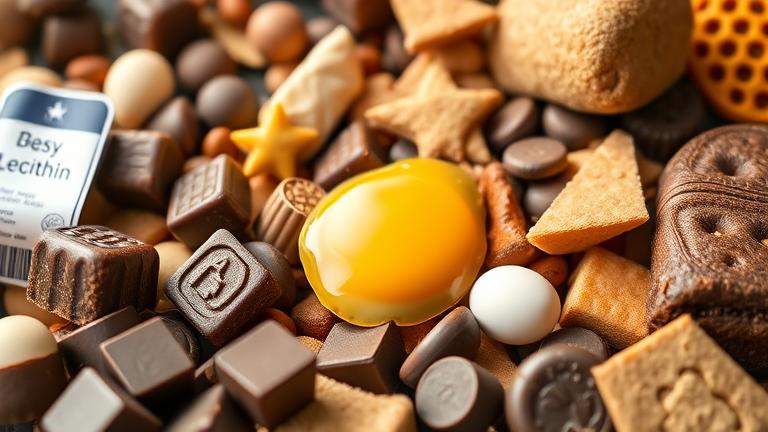
What Is Lecithin?
Lecithin is a natural substance found in many foods and used as an additive in a variety of products. It is a type of fat that occurs naturally in plants and animals. You might have heard of it as an ingredient in baked goods, chocolates, or even skincare items.
In the food world, lecithin acts as an emulsifier. This means it helps blend ingredients that don’t usually mix well, such as oil and water. For example, it keeps chocolate smooth and prevents salad dressings from separating. Beyond food, lecithin is also used in supplements and cosmetics to improve texture and stability.
Most lecithin is derived from soybeans, sunflower seeds, eggs, or other plant sources. These sources make lecithin popular in vegan and vegetarian diets, as it is often promised as plant-based. However, not all lecithin on the market is vegan, so it’s good to know where it comes from and how it’s made.
In many processed foods, lecithin is added to extend shelf life or improve appearance. It can make baked items softer, chocolates creamier, and even help with the mixing of ingredients during manufacturing. Basically, lecithin is a versatile helper that makes food look better, taste better, and last longer.
If you’re exploring plant-based eating, understanding lecithin can be helpful. Some lecithin sources, like soy and sunflower, are vegan-friendly, but certain types derived from eggs are not. Always check the label if you’re avoiding animal products, as the source can influence whether lecithin fits into your diet.
To sum up, lecithin is a natural, multi-purpose ingredient used widely in food and cosmetics. Its main role is as an emulsifier, helping ingredients blend smoothly. While commonly sourced from plants, it’s worth checking its origin if you follow a strict vegan lifestyle.
Sources of Lecithin
Lecithin is a natural compound found in various foods, and it often acts as an emulsifier, helping ingredients mix smoothly. You’ll find lecithin in both plant-based and animal-based sources, which is why it’s available in many forms. Knowing its origins can help you decide whether it fits your diet or cooking needs.
One of the most common sources of lecithin is soybeans. Soy lecithin is widely used in processed foods like chocolates, baked goods, and salad dressings. It’s popular because soybeans produce a large amount of lecithin and are easy to harvest. If you see soy lecithin on an ingredient list, it usually means it has been extracted from soybeans using a process called extraction with solvents. This type of lecithin is suitable for most vegetarians and vegans.
Another plant-based source is sunflower seeds. Sunflower lecithin is gaining popularity because it’s considered a more natural and less processed option than soy. It’s also free from common allergens like soy and gluten, making it a good choice for those with allergies or sensitivities. Sunflower lecithin can be found in health stores or as an ingredient in some supplements and cooking products.
Peanuts and other nuts also contain lecithin naturally, but instead of being extracted directly from nuts, lecithin from nuts is less common in commercial food products. These sources highlight the diverse nature of this compound.
On the animal side, lecithin is traditionally derived from egg yolks and animal tissues. Egg yolk lecithin is a natural byproduct of egg processing and is often used in baking and cosmetics. Since egg yolks are animal products, lecithin extracted from eggs is classified as non-vegan. This type of lecithin is especially rich in phospholipids, which are beneficial for health and emulsification.
For those who consume fish or seafood, lecithin can also be obtained from fish tissues, though it’s less common. Fish liver oils sometimes contain lecithin, but these sources are usually used for supplements rather than culinary purposes.
- Plant-based sources: soybeans, sunflower seeds, peanuts
- Animal-based sources: egg yolks, fish tissues, liver oils
Understanding where lecithin comes from helps you select the right type for your diet. While plant-derived lecithin is suitable for vegans and vegetarians, lecithin from eggs and fish is not. When buying products, always check the label if you want to avoid animal-derived ingredients. This knowledge helps you make informed choices in your cooking and baking, ensuring the ingredients align with your dietary preferences.
Why Lecithin Isn’t Vegan
When you’re exploring ingredients for vegan recipes, lecithin can sometimes be confusing. Many people wonder if lecithin is vegan because it is widely used in baked goods, chocolates, and processed foods. The truth is, lecithin may not always fit into a vegan diet, and here’s why.
Lecithin is a fatty substance that acts as an emulsifier. It helps blend ingredients like oil and water, making foods smoother and more stable. Although lecithin is common in many plant-based foods, it can also be derived from animal sources. This is where the vegan concern begins.
Sources of Lecithin
Most commercial lecithin is made from soybeans or sunflower seeds, which are plant-based. These versions are usually considered vegan. However, a significant amount of lecithin is derived from eggs or animal tissues, especially in some processed or cheaper products.
Egg yolk lecithin, for example, is extracted directly from eggs. Because eggs come from animals, this type of lecithin is not vegan by definition. Some brands do not specify the source clearly, which can make it tricky for vegans to choose safely.
How Production Can Conflict with Vegan Principles
Even if lecithin is marketed as plant-based, the manufacturing process may involve animal by-products or cross-contamination. For example, facilities that process both animal and plant lecithin might not have strict separation, raising concerns about animal product inclusion.
Additionally, some lecithin products are processed using chemicals or methods that vegans might avoid. For example, egg-derived lecithin involves breaking down eggs with chemicals, which some vegans may see as inconsistent with their ethical standards.
Vegan vs. Non-Vegan Lecithin
| Type of Lecithin | Source | Vegan? |
|---|---|---|
| Soy or sunflower lecithin | Plant-based | Usually yes, but check label |
| Egg-derived lecithin | Egg yolks | No, not vegan |
| Animal tissue-derived lecithin | Animal tissues | No |
| Processed lecithin | Processed via chemicals | Depends, check manufacturer details |
Tips for Vegan Consumers
- Always read the label carefully. Look for “plant-based” or “vegan” on the packaging.
- If the source isn’t clear, contact the manufacturer to ask about their lecithin’s origin.
- Choose brands known for vegan and ethical sourcing to avoid hidden animal products.
- Remember that even plant-based lecithin might be processed in mixed facilities. If strict veganism is important, seek products certified vegan.
In summary, lecithin isn’t always vegan. While many versions are plant-based, some are derived from eggs or animal tissues. Checking labels and sourcing information carefully will help ensure your ingredients align with your vegan principles.
Alternatives to Vegan Lecithin
If you’re looking for substitutes for vegan lecithin, you’re in the right place. Vegan lecithin is often used as an emulsifier in baking, smoothies, and plant-based recipes. Luckily, there are several plant-based and synthetic options to choose from that can help you achieve the same results.
Choosing the right alternative depends on what you’re making and your dietary preferences. Some substitutes work better for baking, while others are ideal for thickening or stabilizing mixtures. Let’s explore some popular options that are suitable for vegans and commonly available in stores or online.
Plant-Based Alternatives
- Aquafaba: This is the liquid from cooked chickpeas or other beans. It has natural emulsifying properties and is often used in meringues, cakes, and even as an egg replacer. Use about the same amount as lecithin when substituting.
- Sunflower or Soy Lecithin (non-vegan version): If you’re not strictly vegan but want a plant-based option, consider sunflower or soy lecithin. They have similar emulsifying qualities and can be added in small amounts to recipes.
- Ulluco or Guar Gum: These natural thickeners and stabilizers can help emulsify mixtures. Use a small amount dissolved in water for best results.
- Algal Oil or Algae-based Additives: Derived from algae, these are rich in omega-3s and work well as emulsifiers, suitable especially in dressings and smoothies.
Synthetic and Commercial Alternatives
- Mono- and Diglycerides: These are processed fats often found in baked goods and spreads. They work as effective emulsifiers but are not always vegan, so check labels carefully.
- Polysorbates and Sorbitan Esters: These synthetic emulsifiers are common in processed foods. They are not plant-based but are suitable for vegans if no animal-derived ingredients are present.
- Modified Starch: Derived from plants, modified starches can help stabilize emulsions, making them useful in sauces or dressings.
Practical Tips for Using Alternatives
- Start small: For most substitutes, begin with a small amount and adjust as needed to prevent over-thickening or separation.
- Mix well: Some options like guar gum or algal additives need to be dissolved thoroughly to avoid clumping.
- Experiment: Not all substitutes work the same in every recipe. It may take some testing to find the perfect match for your dish.
Remember, each alternative has its strengths and best uses. For baking and desserts, aquafaba is a versatile choice. For dressings or liquids, emulsifiers like algal oils or sunflower lecithin can be excellent options. With a little experimentation, you’ll find the perfect plant-based substitute that suits your recipe and dietary needs.
How to Identify Vegan-Friendly Products
If you want to find products that are friendly for a vegan diet, especially when it comes to ingredients like lecithin, it’s important to become a savvy label reader. Lecithin is a common emulsifier used in many foods, but not all lecithin is vegan. Some comes from eggs or other animal sources, so checking labels is key to making sure what you buy aligns with your vegan lifestyle.
Starting with the ingredient list is your best bet. Look for terms like “lecithin” by itself, but be aware that sometimes it will specify the source. For example, “soy lecithin” or “sunflower lecithin” are usually vegan-friendly options. However, if you see “egg lecithin,” it’s not suitable for vegans. Reading carefully helps you avoid unintended animal-derived ingredients.
In addition to checking ingredients, many products include symbols or certifications on their packaging. Look for vegan labels or logos from reputable organizations such as the Vegan Society or Vegan Action. These marks indicate that the product has been reviewed and is free from animal products, including non-vegan lecithin sources.
Keep in mind that some products may not boldly display vegan labels but still contain vegan ingredients. When in doubt, consult the product’s website or contact the manufacturer for clarity. Many brands now provide detailed ingredient sources online, making it easier to confirm if lecithin is vegan-friendly.
Here are some practical tips to help you identify vegan-friendly products:
- Always read the ingredient list carefully. Don’t skip over it even if the front packaging suggests the product is vegan.
- Look for vegan certification logos. These symbols can save you time and guesswork.
- Choose products with sunflower or soy lecithin. These are typically plant-based and suitable for vegans.
- Be cautious of products with vague ingredients. Terms like “emulsifiers” without clarification warrant further investigation.
- Research brands you trust. Some brands are transparent about their sources and labels, making shopping easier.
Every product is different, so take a moment to review labels each time you shop. Over time, you’ll get better at spotting vegan-friendly options and avoiding hidden animal-derived ingredients. Remember, a little extra attention goes a long way in maintaining a vegan diet without sacrificing your favorite treats or staples.