
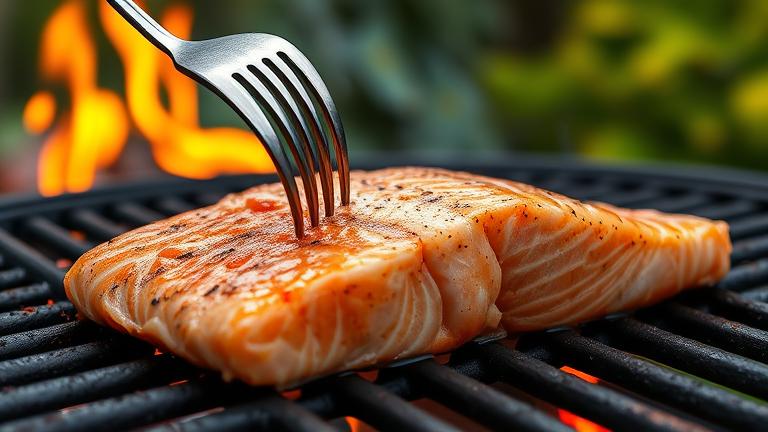
Will Salmon Fall Apart on the Grill?
Many home cooks wonder if salmon will stay intact when grilling. It’s a common concern because salmon’s delicate flesh can sometimes break apart. The good news is that with the right technique and precautions, you can grill salmon that holds together beautifully.
Salmon tends to be more fragile than other types of fish, especially if it’s fresh and if the skin has been removed. The key factors influencing whether it falls apart include the cut of salmon, the cooking temperature, and how it is prepared before grilling.
For example, fillets with skin on often hold together better because the skin acts as a natural barrier. The skin keeps the flesh moist and provides extra support, making it less likely to flake apart during flipping or serving. On the other hand, skinless fillets or very thin cuts are more prone to breaking apart because they don’t have that protective layer.
Another important factor is the cooking temperature. Grilling salmon over medium-high heat is ideal. Too high, and the outside can burn before the inside is cooked properly, increasing the risk of the fish falling apart. Too low, and the fish might stick to the grill or cook unevenly. Maintaining a steady, moderate heat helps the salmon cook evenly and stay intact.
Preparation also plays a role. Brushing the fish with oil can prevent sticking and make flipping easier. Using a well-oiled grill or a fish basket can also help. When flipping, use a wide, flat spatula and do it gently. Avoid pressing down on the fish, as this can cause it to break apart.
Some additional tips to prevent salmon from falling apart include:
- Ensure your grill grates are clean and well-oiled before placing the fish.
- Start with a cold, cleaned grill, then preheat to the right temperature.
- Cook the salmon until it reaches an internal temperature of about 125°F to 130°F for moist, flaky results.
- If the salmon is thin, consider using a fish basket or grilling it on aluminum foil with sides to help keep it together.
It’s also normal for some gentle flaking to occur when the fish is fully cooked. If you notice it is falling apart excessively, check your heat level or try a different cut next time. With practice, you will learn how to grill salmon that stays together and looks appealing on your plate.
Tips for Perfectly Grilled Salmon
Grilling salmon is a tasty way to enjoy this healthy fish, but getting it just right can take a little practice. Whether you’re new to grilling or want to improve your technique, these simple tips will help you achieve perfectly cooked, flavorful salmon every time.
Start by choosing fresh salmon. Look for fillets with bright, firm flesh and a fresh smell. Fresh salmon not only tastes better but also grills more evenly. You can use skin-on or skinless fillets depending on your preference, but keep in mind that skin helps hold the fish together and adds flavor during grilling.
Preparation is Key
- Pat the salmon dry with paper towels to remove excess moisture. This promotes browning and prevents sticking.
- Use a light coating of oil on the fish and the grill grates. This helps prevent sticking and gives a nice crispy edge. Olive oil or a high-heat vegetable oil works well.
- Season your salmon with salt, pepper, or your favorite herbs and spices. For extra flavor, consider marinating it for 15-30 minutes before grilling.
Temperature Control and Cooking Time
Preheat your grill to a medium-high heat, around 375°F to 400°F (190°C to 204°C). A hot grill sears the fish and creates those desirable grill marks.
Place the salmon on the grill, skin side down if using skin-on fillets. This helps protect the flesh from the direct heat and keeps it moist.
Cook for about 4-6 minutes per side, depending on the thickness of your fillets. A general rule is to cook salmon until it flakes easily with a fork and reaches an internal temperature of 125°F to 130°F (52°C to 54°C) for medium doneness.
Handling Techniques for Perfect Results
- Use long tongs or a spatula to carefully turn the fish. Avoid flipping too often; usually one turn is enough.
- Let the salmon rest for a few minutes after removing it from the grill. This allows the juices to redistribute, making it more tender.
- If your fish sticks to the grill, give it a little more time. It will naturally release when it’s ready to be turned.
Common Mistakes to Avoid
- Overcooking, which makes salmon dry and tough. Keep an eye on the time and use a thermometer if unsure.
- Poor temperature control—grilling on too high or too low heat can lead to uneven cooking.
- Forgetting to oil the grill or fish, resulting in sticking and tearing.
Follow these tips and you’ll be enjoying perfectly grilled salmon with a delicious crust and moist interior. With a little practice, grilling salmon becomes quick, simple, and consistently tasty!
Common Mistakes When Grilling Salmon
Grilling salmon is a fantastic way to enjoy this flavorful fish, but it can be tricky to get it just right. Many home cooks make simple mistakes that can cause the salmon to fall apart or stick to the grill. Knowing what these common errors are will help you grill salmon with confidence and achieve perfect results every time.
One of the most frequent mistakes is not preparing the grill properly. If your grill is not clean or well-oiled, the salmon is more likely to stick. Before you start cooking, make sure to clean the grill grates thoroughly. Use a sturdy brush and then oil the grates with a high-heat oil like vegetable or canola oil. This creates a non-stick surface and helps prevent the fish from sticking.
Another common error is grilling the salmon at too high a temperature. High heat can cause the outside to burn while the inside remains undercooked. A good rule of thumb is to set your grill to medium-high, around 375 to 400 degrees Fahrenheit. This allows the fish to cook evenly and develop a nice sear without burning. Use a grill thermometer to keep track of the temperature for more accurate control.
Many beginners forget to properly oil or season the fish before grilling. Salmon naturally has a delicate, slightly oily texture that can stick if not coated lightly. Before placing the salmon on the grill, brush it with a little oil and season with salt, pepper, or your favorite marinade. This not only adds flavor but also creates a barrier that helps prevent sticking.
Overcrowding the grill is another mistake that can cause trouble. If you put too many pieces of salmon on at once, it’s hard to flip or move them without tearing. Give each piece enough space and turn only when the fish releases easily from the grill grates. Patience is key; forcing a flip before the fish is ready often leads to breaking apart.
Another common issue is overcooking the salmon. Salmon cooks quickly, and leaving it on the grill too long results in dry, flaky fish that can fall apart when moved. To avoid this, watch for visual cues: the salmon should be opaque and flake easily with a fork. Using a food thermometer can also help; aim for an internal temperature of 125-130 degrees Fahrenheit for moist, perfectly cooked salmon.
Finally, moving or flipping the salmon too often is a mistake many make. Once you place the fish on the grill, try to resist flipping it repeatedly. Let it cook for about 4-6 minutes per side, depending on thickness. If you try to flip it too early or too often, it can stick and tear.
Remember, grilling salmon is about patience and preparation. By avoiding these common mistakes — like not cleaning your grill, cooking at too high a heat, not oiling or seasoning the fish, overcrowding, overcooking, or flipping too often — you’re well on your way to enjoying tender, flavorful grilled salmon every time.
How to Keep Salmon from Sticking
Grilling salmon is a popular way to enjoy this delicious fish, but it can be tricky to prevent it from sticking to the grill. Nothing is more frustrating than losing part of your perfectly cooked fillet because it stuck or broke apart. Fortunately, with a few simple tips, you can ensure your salmon comes off the grill smoothly and stays intact.
First, proper preparation is key. Before you start grilling, make sure your grill is clean. Residue from previous cooks can cause sticking, so using a grill brush to scrub the grates thoroughly is a good idea. A clean surface will help your salmon slide off easily once cooked. Then, preheat your grill to medium-high heat. Letting the grill heat up for at least 10-15 minutes ensures the grates are hot enough, which helps create a natural non-stick surface.
Next, oil your grill grates properly. Use a high-smoke point oil like vegetable, canola, or grapeseed oil. To do this, dip a folded paper towel into the oil, then use tongs to rub it over the hot grates. This step forms a light coating that prevents the fish from sticking during cooking. Be generous but avoid excess oil that can create flare-ups. Always do this right before placing the salmon on the grill, not the night before, to keep the oil fresh and effective.
Another secret to a successful grill is preparing the salmon itself. Pat the fillets dry with paper towels to remove excess moisture. Moisture can cause sticking and make the fish more fragile. For extra protection, consider lightly oiling the fish skin or flesh with a brush or spray. If you want to add flavor, brush with a marinade or seasonings, but make sure they don’t contain too much sugar, which can cause sticking or burning.
When placing the salmon on the grill, lay it skin-side down if your fillets have skin. The skin acts as a natural barrier and helps prevent sticking. Use a wide spatula or tongs to gently place the fish on the grates at a slight angle. Avoid pressing down on the fillet; let it sear naturally. Resist the urge to flip the fish too soon. Wait until you see the edges turn opaque and release easily—this usually takes about 4-5 minutes per side. Using a clean spatula, gently lift the fish to check if it has developed a nice sear and is ready to turn.
When it’s time to flip, loosen the fish with your spatula—a gentle wiggle can help detach it from the grates without tearing. Flip and cook the other side for another 3-4 minutes until the salmon is opaque and easily flakes with a fork. Using a delicate touch prevents breaking the fillet apart.
Finally, remove the salmon by sliding the spatula underneath it carefully. If you follow these steps—clean grill, proper preheating, oiling, drying the fish, and gentle handling—you’ll have a successfully grilled salmon that doesn’t stick. With practice, grilling salmon becomes a smooth, enjoyable process that results in beautiful, tasty fish every time.
- Tip: Always oil the grates right before cooking for best results.
- Tip: Use a fish spatula for gentle turning and removal.
- Tip: Let the salmon rest for a couple of minutes before serving to allow juices to settle.
Best Marinades for Grilled Salmon
Grilled salmon is a delicious and healthy meal that tastes even better with the right marinade. A good marinade not only adds flavor but also helps keep the fish moist while grilling. Whether you prefer tangy, sweet, or savory, there’s a marinade that can make your salmon stand out on the grill.
Before marinating, make sure your salmon fillets are fresh and patted dry. This helps the marinade stick better and ensures even cooking. The typical marinating time can range from 15 minutes to 2 hours, but avoid marinating for too long as the acids in some marinades can start to “cook” the fish.
Classic Lemon Dill Marinade
This light and fresh marinade is perfect for bringing out the natural flavor of salmon. It combines lemon juice, olive oil, fresh dill, garlic, salt, and pepper. The acidity from the lemon adds brightness, while dill adds a fragrant, herbal note.
- Mix 1/4 cup olive oil
- Squeeze the juice of one lemon
- Add 2 tablespoons chopped fresh dill
- Minced garlic to taste (about 1-2 cloves)
- Salt and pepper to season
Let the salmon marinate in this mixture for about 30 minutes before grilling. This marinade works well with both thick fillets and thinner pieces.
Sweet and Spicy Honey Soy Marinade
If you love a flavor combo that hits both sweet and spicy notes, this marinade is ideal. It pairs well with grilled salmon and creates a beautiful caramelized finish.
- 3 tablespoons soy sauce
- 2 tablespoons honey or maple syrup
- 1 tablespoon rice vinegar or apple cider vinegar
- 1 teaspoon grated fresh ginger
- 1 teaspoon sriracha or hot sauce (adjust to taste)
- Minced garlic (1 clove)
Combine all ingredients in a bowl and whisk well. Marinate the salmon for 30 to 60 minutes, turning occasionally to coat evenly. Remember, due to the soy sauce’s saltiness, there’s no need to add extra salt.
Herb and Garlic Marinade
This versatile marinade emphasizes fresh herbs and robust garlic, making it suitable for any occasion. It includes olive oil, lemon juice, chopped parsley, thyme, and minced garlic. For extra flavor, add a pinch of red pepper flakes.
- 1/4 cup olive oil
- Juice of half a lemon
- 2 tablespoons chopped fresh parsley
- 1 teaspoon dried thyme or fresh thyme leaves
- Minced garlic (1-2 cloves)
- Salt and black pepper to taste
Let the salmon sit in this marinade for about 20-30 minutes before grilling. This blend enhances the salmon’s natural richness while providing a fresh, herbal kick.
Marinating Tips and Tricks
- Always marinate in the fridge to keep the fish safe and fresh.
- Use a resealable plastic bag or a glass dish covered with plastic wrap for easy cleanup and even marination.
- Do not over-marinate, especially with acidic marinades like lemon or vinegar, to avoid toughening the fish.
- Pat the salmon dry after marinating to prevent excess moisture from causing flare-ups on the grill.
Experiment with these marinades to find your favorite flavor profile. Remember, a good marinade is all about balancing acidity, sweetness, salt, and herbs to enhance the natural beauty of grilled salmon.
Techniques for Grilling Salmon Perfectly
Grilling salmon can be a delicious way to enjoy this healthy fish, but getting it just right requires some helpful techniques. The key is to cook it evenly so it stays moist and tender, and to keep it from falling apart on the grill. Whether you’re a beginner or looking to perfect your method, these tips will make your grilled salmon a success every time.
Choosing the Right Grill and Preparation
Start with a clean, preheated grill. You can use either a gas or charcoal grill. For even cooking, maintain a steady temperature around 375-400°F (190-200°C). Before grilling, pat the salmon dry with paper towels. Lightly brush the fish with oil to prevent sticking and sprinkle with your favorite seasonings, like salt, pepper, lemon, or herbs.
Understanding Direct vs. Indirect Heat
Knowing when to use direct or indirect heat is essential for perfect salmon. Direct heat involves placing the fish directly over the flames or hot coals. This method gives a nice char and quick cook. Use it when you’re grilling thinner fillets or when you want a crisp exterior.
Indirect heat means cooking the fish beside the flame or coals, not directly over them. This approach is best for thicker fillets or for cooking the salmon evenly without scorching the surface. It allows gentle, even heat transfer, helping the salmon stay moist.
Grilling Technique for Even Cooking
To prevent sticking and tearing, use a fish grill basket or foil with holes. Place the salmon skin-side down if it has the skin, which helps hold the fish together. For thicker fillets, start on the indirect heat side to cook the centers without burning the outsides.
Cook the salmon for about 4-6 minutes per side for fillets that are an inch thick. Adjust the time based on the thickness of the fillet. When grilling, flip the fish only once. Use a spatula or tongs to gently turn it, and avoid pressing down, which can squeeze out moisture.
Timing and Checking for Doneness
The total grilling time depends on the thickness and heat level. Generally, salmon is ready when it flakes easily with a fork and reaches an internal temperature of 145°F (63°C). To check, insert a meat thermometer into the thickest part of the fillet. If you prefer a slightly softer texture, cook until it reaches 135°F (57°C) and let it rest for a few minutes.
Remember, fish continues to cook slightly after removing from the grill. So, it’s better to take it off just before it seems fully done. A good visual cue is that the salmon turns from translucent to opaque.
Final Tips for Success
- Use a clean grill grid to prevent sticking and tearing.
- Don’t flip the salmon too often — just once is fine.
- Let the fish rest for a few minutes after grilling for juices to settle.
- Consider marinating the salmon beforehand for added flavor.
Troubleshooting: Preventing Salmon from Falling Apart
If you’ve ever cooked salmon only to find it falling apart at the slightest touch, don’t worry. This is a common issue, especially if the fish wasn’t cooked properly or handled with care. Luckily, there are simple solutions to help you keep your salmon intact and produce a perfectly flaky, tender result every time.
One main reason salmon falls apart is overcooking. When fish is cooked too long, its proteins tighten up, causing the flesh to become dry and crumbly. To prevent this, keep an eye on the cooking time and check for doneness early. Salmon is best cooked until it’s just opaque in the center and flakes easily with a fork.
Another cause is handling. Rough movements or using a spatula that is too hard can cause delicate salmon fillets to break apart. When flipping or removing the fish, use a wide, flat spatula and gently lift from underneath, minimizing stress on the flesh.
Proper preparation can prevent falling apart. If your salmon has a very thin side or varies in thickness, it’s more likely to fall apart. To mitigate this, gently pound the thicker parts with a mallet or press the fillet lightly to even out its thickness for uniform cooking.
The moisture content is crucial. Dry salmon is more fragile. To keep it moist, avoid high heat and consider marinating or lightly oiling the fish. A gentle cooking process allows the fish to stay tender and hold together better.
If baking or roasting, using parchment paper or a silicone mat helps lift the fish without damage. For pan-searing, ensure the pan is hot enough to create a crust quickly, which aids in holding the fillet intact.
Resting the salmon for a few minutes after cooking helps juices redistribute, improving its texture and reducing breakage. Use a spatula to carefully transfer the fish onto a serving dish.
Here are quick tips to avoid your salmon falling apart:
- Cook at moderate temperatures and check for doneness early.
- Handle with a wide spatula, gently lifting from underneath.
- Even out thickness; consider pounding if necessary.
- Avoid overcooking and keep the fish moist during cooking.
- Allow the salmon to rest before serving.
Following these tips and paying close attention to handling and timing will help you achieve beautifully cooked, flaky salmon that remains intact on your plate. Patience and gentle movement are key to a perfectly presented dish every time.