
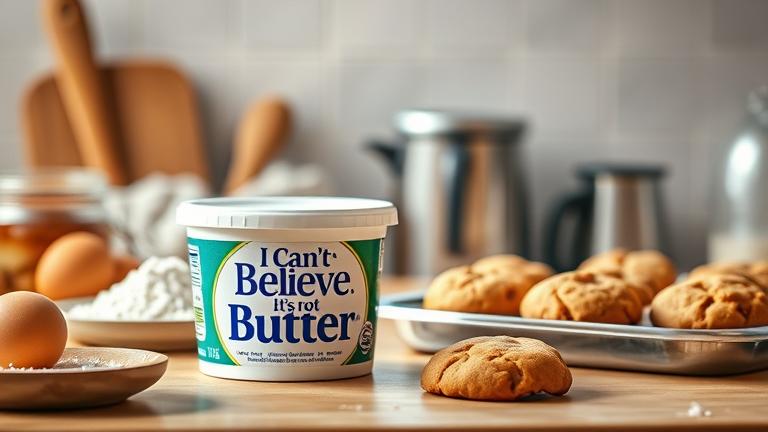
Why Use I Can’t Believe It’s Not Butter in Baking?
If you’re looking for a versatile butter substitute for baking, I Can’t Believe It’s Not Butter can be a great choice. Many home bakers turn to it because it offers a similar texture and flavor to regular butter, making it easier to create delicious baked goods without sacrificing quality.
One of the key benefits of using I Can’t Believe It’s Not Butter in baking is its texture. It melts smoothly and mixes well with other ingredients, which helps your baked treats stay moist and tender. Whether you’re making cookies, cakes, or muffins, this product can help you achieve a consistent, fluffy crumb or chewy bite.
Flavor is another important factor. While it doesn’t taste exactly like butter, I Can’t Believe It’s Not Butter has a mild, buttery flavor that complements a wide range of baked items. Its subtle taste can enhance flavors without overpowering your recipes. This makes it especially useful if you want a dairy-free or lower-fat option to traditional butter.
Health considerations are also a significant reason many bakers choose I Can’t Believe It’s Not Butter. It generally contains less saturated fat and calories compared to regular butter, which can be helpful if you’re managing your fat intake. Plus, it often includes added plant-based oils that provide good fats for a balanced diet.
In addition to health benefits, this butter substitute usually has a longer shelf life. It stores easily in the fridge or pantry and is less likely to spoil quickly. This is handy for home bakers who like to keep ingredients on hand for spontaneous baking sessions.
Here are some practical reasons why I Can’t Believe It’s Not Butter is a popular choice among bakers:
- It blends well in recipes, ensuring even distribution and good texture.
- It’s suitable for people with dairy allergies or lactose intolerance.
- It often cooks and bakes at the same temperature as regular butter without burning or separating.
- It helps reduce calorie intake when replacing butter in recipes.
Of course, there are some tips to keep in mind. For example, because it contains water and oils, it might produce slightly different textures in some baked goods compared to pure butter. It’s a good idea to test your favorite recipes first to see how they turn out.
Many bakers find that I Can’t Believe It’s Not Butter provides a nice balance between flavor, health, and ease of use. It’s a practical choice that doesn’t require sacrificing taste or quality, especially if you’re baking for health reasons or need a dairy-free substitute.
Top Baked Good Recipes with I Can’t Believe It’s Not Butter
If you’re looking to make baked treats that are as tasty as they are easy to prepare, I Can’t Believe It’s Not Butter is a fantastic ingredient to have in your kitchen. This butter substitute adds rich flavor and smooth texture to a variety of baked goods, from cookies and cakes to muffins. Its versatility comes from its ability to mimic real butter, making your baked treats just as delicious. Here are some popular recipes that highlight how well I Can’t Believe It’s Not Butter works in baking.
Perfect Cookies
Cookies are a classic favorite, and using I Can’t Believe It’s Not Butter can help you achieve that perfect, chewy texture. Whether you’re making chocolate chip, peanut butter, or oatmeal cookies, substitute the butter with this product in equal measure. The result is cookies that spread evenly and have a lovely buttery flavor without being overly greasy.
For an extra touch, try adding chopped nuts or chocolate chips. Baking tips include chilling the cookie dough for about 30 minutes before baking; this helps prevent spreading and improves texture. Always bake cookies in a preheated oven usually around 350°F and keep an eye on them. They should be golden around the edges when done.
Fluffy Cakes
Cakes become irresistibly moist and tender when made with I Can’t Believe It’s Not Butter. Use it in your favorite cake recipes, such as vanilla, chocolate, or lemon. Remember to measure the product accurately and creaming it well with sugar to create a light, airy batter.
For best results, sift your dry ingredients and add them gradually. Baking times usually range from 25 to 35 minutes at 350°F, but always check doneness with a toothpick if it comes out clean, your cake is ready. Cool completely before frosting, and consider adding fresh fruit or nuts for extra flavor.
Muffins and Breads
Muffins and quick breads come out moist and flavorful thanks to I Can’t Believe It’s Not Butter. These baked goods are great for breakfast or snacks. When making muffins, swap the butter in your recipe with an equal amount of the product. This often results in a tender crumb and a rich taste.
Tip: filling your muffin tins about two-thirds full will give them room to rise. For bread recipes, such as banana or zucchini bread, ensure the batter is mixed just until combined to prevent a dense loaf. Baking at 350°F for about 45-55 minutes usually yields perfect results.
Additional Tips for Baking with I Can’t Believe It’s Not Butter
- Always soften the product to room temperature before using; this helps it blend smoothly into batters and doughs.
- Adjust sweetness if needed, as I Can’t Believe It’s Not Butter may taste slightly different from regular butter, especially if the recipe relies heavily on butter flavor.
- Use in moderation in recipes that require high fat content to prevent overly greasy baked goods.
With these tips and recipes, you’ll see just how adaptable I Can’t Believe It’s Not Butter is in baking. From cookies that melt in your mouth to cakes that are bursting with soft texture, this butter substitute is a kitchen essential for creating delicious baked goods that everyone will love.
Substituting Butter in Baking: Tips & Tricks
Replacing butter with I Can’t Believe It’s Not Butter in your baking can be a simple way to make your treats a little lighter or fit special diets. Since I Can’t Believe It’s Not Butter is a butter spread made with vegetable oils, it behaves differently from regular butter, so knowing how to substitute it correctly will help you get the best results.
Typically, you can swap I Can’t Believe It’s Not Butter directly for butter in most baking recipes. Use the same amount called for in the recipe, but keep in mind some adjustments might improve your baking success. For example, if your recipe relies on the firmness of butter for shaping or layering, you may need to adjust slightly.
Measuring and Adjustments
- Use the same measuring amount: For most baked goods like cookies, cakes, and muffins, substitute equal parts I Can’t Believe It’s Not Butter for butter. For example, if a recipe calls for 1 cup of butter, use 1 cup of the spread.
- Be aware of moisture: I Can’t Believe It’s Not Butter contains water, unlike butter which is mostly fat. This extra moisture can affect texture, especially in delicate baked goods. To balance this, you can slightly reduce other liquids in the recipe by about 1-2 tablespoons if your batter seems too runny.
Adjusting for Best Results
Since I Can’t Believe It’s Not Butter is softer than butter, especially when melted, you may notice differences in baking. For cookies that rely on butter’s firm texture for shaping, chilling the dough slightly before baking can help maintain their shape.
In cakes and muffins, the difference is usually minimal, but keep an eye on baking times. You might need to check a few minutes earlier to prevent overbaking. Also, avoid using this substitute in recipes where butter’s solid state is crucial for creaming, like in certain cookies or pastries, unless you’re okay with a different texture.
Tips for Success
- Use softened I Can’t Believe It’s Not Butter for creaming with sugar, just like butter, to help trap air and create a light texture.
- Try experimenting with small batches first to see how the substitute affects your recipe.
- If you’re making a pie crust or other pastry, note that using a spread instead of butter may result in a slightly different texture more tender and less flaky.
- Remember that some flavors of the spread may influence the final taste, so choose a flavor that complements your baked good.
Common Mistakes to Avoid
- Don’t use melted I Can’t Believe It’s Not Butter when a recipe requires cold butter for flakiness, such as in biscuits or puff pastry.
- Avoid overmixing batter after adding the spread, as this can make baked goods dense.
- Be cautious about adding extra liquids, especially in recipes with delicate textures, to prevent thin batter.
With these tips, substituting I Can’t Believe It’s Not Butter for butter becomes straightforward. It’s a handy swap when you want to reduce saturated fat or accommodate dietary preferences. Just a few small adjustments can help ensure your baked goods turn out delicious every time!
Baking Tips for Best Results with I Can’t Believe It’s Not Butter
When baking with I Can’t Believe It’s Not Butter, getting the technique right can make a big difference in your final results. This buttery spread is a versatile ingredient that can replace traditional butter in most recipes, but a few helpful tips can help you achieve the best texture and flavor. Whether you’re making cookies, cakes, or muffins, follow these friendly and practical tips to elevate your baking game.
1. Use the Right Temperature and Softness
For the best mixing results, ensure your I Can’t Believe It’s Not Butter is at room temperature before using. Softened butter blends more evenly into batters and doughs, creating a smoother texture. If your spread is too cold or hard, it can lead to uneven mixing and a dense final product. To soften quickly, leave the spread out on the counter for about 30 minutes or microwave it in short bursts of 5 seconds, checking between each to avoid melting.
2. Proper Mixing Techniques
When combining I Can’t Believe It’s Not Butter with sugar or other ingredients, beat it thoroughly until light and fluffy. This step incorporates air, which helps baked goods rise and become tender. Use a hand mixer or stand mixer on medium speed to achieve a creamy texture. Overmixing can sometimes introduce too much air, causing cakes to fall, so stop once the ingredients are well combined.
3. Adjust Baking Temperature and Time
Since I Can’t Believe It’s Not Butter has a slightly different moisture and fat profile than real butter, you might need to adjust baking times slightly. Keep a close eye on your baked goods, especially the first few times you try a new recipe. Usually, baking at the recommended temperature of 350°F (175°C) works well, but if your items brown too quickly, lowering the temperature by 5-10 degrees can help. Use a toothpick inserted in the center to check for doneness; it should come out clean.
4. Enhancing Texture
To improve the texture of your baked goods, consider adding a little extra moisture or lift. For cookies, chilling the dough for 30 minutes before baking helps control spreading and results in a chewier texture. For cakes, replacing part of the flour with sour cream or yogurt can boost moistness and tenderness. If your muffins turn out a bit dense, gently folding in some whipped egg whites before baking can create lightness.
5. Avoid Common Mistakes
- Don’t use melted I Can’t Believe It’s Not Butter in recipes that call for creaming, as this can affect the texture.
- Measure accurately. Use standard measuring cups and spoons to ensure consistent results.
- Be cautious with substitutions. While I Can’t Believe It’s Not Butter can replace butter in most recipes, some traditional recipes with high butter content may respond differently.
By paying attention to these simple tips, you’ll get the most out of I Can’t Believe It’s Not Butter when baking. With practice, you’ll find the perfect balance for your favorite treats, achieving bakery-quality results right in your kitchen.
Common FAQs About Baking with I Can’t Believe It’s Not Butter
If you’re wondering how I Can’t Believe It’s Not Butter works in baking, you’re not alone. Many home bakers want to know if it can replace butter in their favorite recipes and how it affects the taste and texture. Here are some of the most common questions and helpful answers.
Can I use I Can’t Believe It’s Not Butter as a straight replacement for butter in baking?
Yes, you can generally substitute I Can’t Believe It’s Not Butter for butter in most baking recipes. It has a similar fat content, which helps achieve a good texture in cakes, cookies, and muffins. However, because it is a margarine spread, it may have a slightly different flavor and consistency. To get the best results, use the same amount of I Can’t Believe It’s Not Butter as the butter called for in the recipe.
Does I Can’t Believe It’s Not Butter change the taste or texture of baked goods?
In most cases, baked goods made with I Can’t Believe It’s Not Butter taste very similar to those made with butter. It has a mild, buttery flavor, but some bakers notice a slight difference, especially in flaky pastries or rich cookies. The texture remains good, although cookies might spread a little more or be slightly softer. For a richer flavor, consider adding a splash of vanilla or other flavor extracts to your batter.
Will baked items made with I Can’t Believe It’s Not Butter be as moist and tender as butter-based ones?
Yes, when you use I Can’t Believe It’s Not Butter, your baked goods should turn out moist and tender. Because it contains water and fats, it helps keep your cakes and muffins soft. Just be careful not to overmix the batter, as that can lead to tougher textures.
Are there any baking tips for using I Can’t Believe It’s Not Butter?
- Bring the spread to room temperature before measuring and mixing to ensure even incorporation.
- If your recipe calls for butter and you want a richer flavor, try adding a tablespoon of butter or butter flavoring.
- Keep an eye on baking times. Since I Can’t Believe It’s Not Butter may cause baked goods to brown slightly faster, check for doneness a couple of minutes early.
- If making cookies, chilling the dough for about 30 minutes before baking can help prevent spreading and improve texture.
Is I Can’t Believe It’s Not Butter a healthier choice for baking?
It can be a healthier option for some people, especially if you’re looking to reduce saturated fat intake. I Can’t Believe It’s Not Butter is often lower in saturated fat compared to butter and contains no cholesterol. However, it still contains processed fats and additives, so moderation is key. Always check the nutrition label if you’re concerned about specific dietary needs.
Are there any common mistakes to avoid when using I Can’t Believe It’s Not Butter in baking?
- Using cold I Can’t Believe It’s Not Butter straight from the fridge can result in uneven mixing. Always bring it to room temperature first.
- Replacing butter with I Can’t Believe It’s Not Butter in recipes that depend heavily on butter’s unique properties, such as laminated pastries, might not yield the desired flakiness.
- Turning down the oven temperature slightly can help prevent over-browning, especially when baking cookies or quick breads.
With these tips and insights, you can confidently try baking with I Can’t Believe It’s Not Butter. It’s a great alternative that can help you create delicious baked treats, whether for health reasons or simply because you prefer a different taste.