
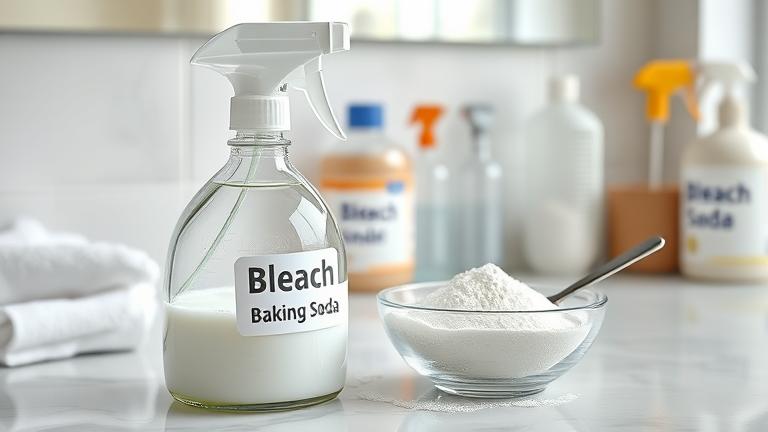
Safety Tips for Mixing Bleach and Baking Soda
When it comes to cleaning with bleach and baking soda, safety should always come first. Although these ingredients are common in many households, mixing them improperly can lead to dangerous reactions or health issues. Knowing the right precautions will help you clean safely and effectively.
First, always work in a well-ventilated area. Open windows, turn on exhaust fans, or use a fan to keep the air flowing. Proper ventilation helps disperse any fumes that might escape when mixing chemicals. Never breathe in fumes directly, as some combinations can release harmful gases that irritate your lungs or eyes.
Next, wear protective gear. Use rubber gloves to protect your skin from irritation or burns caused by bleach. It’s also a good idea to wear safety goggles or glasses to shield your eyes from splashes. If you’re sensitive to smells, consider wearing a mask or covering your nose and mouth with a cloth. Safety gear helps prevent accidents and keeps you safe during cleaning.
Another important tip is never mix bleach with other household cleaners, especially ammonia or vinegar. Combining these with bleach can produce toxic gases like chloramine vapor or chlorine gas. Always stick to one cleaner at a time and thoroughly rinse surfaces before switching to another product. Reading labels for warnings is a wise step before starting any cleaning task.
If you’re blending baking soda and bleach, do it gradually. Start by applying baking soda to the surface, then add small amounts of bleach carefully. Avoid creating splashes or splattering to prevent skin or eye contact. Mixing small amounts at a time reduces the risk of unexpected reactions.
Store bleach and baking soda separately when not in use. Keep bleach in a clearly labeled, airtight container, away from children and pets. Baking soda, being non-toxic and stable, is safer but should still be stored properly. By keeping these ingredients separate, you limit accidental mixing or spills.
Always rinse thoroughly after cleaning with bleach and baking soda. Residue left behind can cause skin irritation or damage to surfaces if not properly washed away. Use plenty of water and soap to ensure all chemicals are removed and surfaces are safe to touch.
- Assess your space and ensure good lighting and ventilation before starting.
- Prepare your protective gear beforehand and wear it throughout the cleaning process.
- Read labels and avoid mixing bleach with other household cleaners.
- Add bleach gradually to baking soda to control the reaction.
- Store ingredients separately in clearly labeled containers.
- Rinse surfaces thoroughly after cleaning to remove any chemical residues.
By following these safety tips, you can confidently use bleach and baking soda to clean your home while avoiding common hazards. Remember, safety is the key to a healthy, happy cleaning experience!
Common Uses of Bleach and Baking Soda in Cleaning
Bleach and baking soda are two trusted household staples that help keep your home bright and fresh. Each has unique properties that make them effective for different cleaning tasks. Understanding how to use them properly can make your cleaning routine safer and more effective.
Uses of Bleach
Bleach, usually sodium hypochlorite, is well-known for its powerful ability to disinfect and whiten. It’s especially useful in areas that need deep cleaning or germ-killing action. For example, you can use bleach to sanitize bathroom tiles, toilet bowls, and kitchen sinks. It helps eliminate bacteria, mold, and mildew, making your space healthier.
When cleaning with bleach, always dilute it according to the instructions on the label usually one part bleach to ten parts water. Never mix bleach with ammonia or other cleaners, as dangerous fumes can be produced. Remember to wear gloves and ensure good ventilation.
Common Applications of Bleach
- Whitening whites in laundry, especially for heavily soiled or stained items
- Disinfecting bathroom surfaces, including tubs and toilets
- Removing mold and mildew from tiled walls and grout lines
- Sanitizing cutting boards and kitchen counters
Uses of Baking Soda
Baking soda, or sodium bicarbonate, is a gentle, versatile cleaning agent that works well for deodorizing, scrubbing, and stain removal. Its mild abrasive nature helps clean surfaces without scratching. Unlike bleach, baking soda is safe to use on most fabrics and surfaces, making it perfect for everyday cleaning tasks.
To make a basic cleaning paste, mix baking soda with a few drops of water until it forms a thick paste. You can also sprinkle baking soda directly onto surfaces or use it as a scrub for stubborn stains. It’s great for freshening up refrigerators, trash cans, and upholstery.
Common Applications of Baking Soda
- Deodorizing refrigerators, carpets, and shoes
- Cleaning sinks, bathtubs, and kitchen counters
- Removing stains from coffee mugs or plastic containers
- Unclogging drains when combined with hot water and vinegar
Safety Tips and Best Practices
- Always read and follow label instructions for both bleach and baking soda
- Avoid mixing bleach with other cleaning chemicals, especially ammonia or acids
- Use gloves and ensure proper ventilation when working with bleach
- Test baking soda on a small surface first to prevent any damage or discoloration
Do They React When Mixed? Chemical Insights
When you mix bleach and baking soda, you might wonder if they will react and what that means for your cleaning or baking projects. Understanding their chemical interactions helps you use these ingredients safely and effectively. Both bleach and baking soda are common household items, but they behave differently on a chemical level.
Bleach, typically made from sodium hypochlorite, is a strong disinfectant and whitening agent. Baking soda, or sodium bicarbonate, is a gentle abrasive and a natural deodorizer. When combined, their interaction depends largely on the specific conditions and amounts used.
In general, mixing bleach and baking soda does not cause an immediate or vigorous chemical reaction like bubbling or heat. However, some subtle interactions can occur, especially if other substances like acids or water are involved. For example, baking soda can neutralize some of the hypochlorite’s acidity, slightly reducing the potency of the bleach. Conversely, if acids are present, they might react with the baking soda to produce carbon dioxide gas, which can cause bubbling or foaming.
One common misconception is that combining these two always produces dangerous gases. In reality, just mixing baking soda and bleach in small amounts doesn’t typically create toxic fumes. Still, caution is advised. For example, if you add an acid like vinegar or lemon juice while baking soda and bleach are both present, the reaction can release chlorine gas or chloramine vapors substances that can irritate your respiratory system.
It’s also important to note that baking soda can help mitigate some of bleach’s strong smell and reduce its harshness. Many homemade cleaning recipes use baking soda to boost cleaning power and deodorize at the same time. But mixing large quantities or doing so in a sealed space increases risk and potentially dangerous reactions.
For safety, always mix bleach and baking soda in well-ventilated areas and use small amounts at a time. If you’re using them for cleaning, it’s best to apply the bleach separately from baking soda, rather than mixing them directly in the container. For baking or cooking, avoid mixing these substances unless the recipe calls for it, and follow the instructions carefully.
Bottom line: mixing bleach and baking soda generally does not cause explosive reactions, but subtle chemical interactions can happen, especially if other ingredients are involved. Being aware of the basics keeps you safe and ensures your household cleaning or baking tasks go smoothly.
DIY Cleaning Recipes with Bleach and Baking Soda
Cleaning your home with bleach and baking soda is an easy, cost-effective way to keep your space fresh and germ-free. Both ingredients are powerful cleaning agents when used correctly, but safety is important. In this section, you’ll find practical recipes and tips to use them effectively and safely around your home.
Why Use Bleach and Baking Soda?
Bleach, or sodium hypochlorite, is excellent for disinfecting surfaces and killing germs. Baking soda, on the other hand, is great for deodorizing and scrubbing away grime. Combining them can boost cleaning power, but it’s essential to use each ingredient properly and never mix them directly in concentrated form, as dangerous fumes can be released.
Basic Cleaning Recipes
Here are simple recipes to try at home. Always remember to wear gloves and ensure proper ventilation when working with bleach.
Disinfectant Bleach Solution
- Mix 1 cup of bleach with 1 gallon of cool water.
- Use this solution to wipe down bathroom tiles, kitchen counters, or to sanitize trash cans.
- Let the surface sit for a few minutes, then rinse with clean water and dry.
Deodorizing Baking Soda Paste
- Combine ½ cup of baking soda with enough water to make a thick paste.
- Apply the paste to sinks, tubs, or even carpets to deodorize.
- Allow it to sit for 15-20 minutes, then scrub or vacuum it up.
Deep-Cleaning Bathroom Tiles
For tough stains and soap scum, create a baking soda and water paste as above. After applying, spray a diluted bleach solution over the area about ½ cup bleach in a quart of water. Let it sit for a few minutes, scrub gently with a brush, then rinse thoroughly with water. Always test a small area first to check for any damage.
Safety Tips for Combining Bleach and Baking Soda
- Never mix bleach directly with baking soda or any other cleaner in an open container. This can cause dangerous reactions and fumes.
- Keep bleach and baking soda away from children and pets.
- Use bleach in well-ventilated areas and wear gloves and eye protection.
- Always add bleach to water, not the other way around, to reduce splashing.
Additional Tips for Best Results
- Rinse surfaces well after cleaning to remove any residue.
- Label homemade cleaning solutions clearly to avoid accidental misuse.
- Use baking soda regularly to keep surfaces deodorized and fresh.
- Remember, do not use bleach on fabrics or colored surfaces, as it can cause discoloration.
Common Mistakes to Avoid
One of the biggest errors is mixing bleach with ammonia or acids. This creates toxic gases that can be harmful. Also, ignoring safety precautions like ventilation can lead to uncomfortable or dangerous fumes. Always read labels and follow instructions on commercially available bleach and baking soda products.
Health Precautions and Eco-Friendly Tips
When using cleaning agents like bleach and baking soda, it is important to prioritize safety for yourself and the environment. Both of these common household items are effective, but they must be used properly to prevent health risks and to remain eco-friendly.
Handling Bleach Safely
Bleach is a strong disinfectant that can kill germs, but it can also cause irritation to your skin, eyes, and respiratory system if not handled carefully. Always wear protective gloves and, if possible, goggles when mixing or pouring bleach. Make sure to use it in a well-ventilated area to avoid inhaling fumes, which can be harmful.
Never mix bleach with other cleaning products, especially ammonia or acids, as this can produce dangerous gases. Use bleach in small amounts as directed, and rinse surfaces thoroughly after cleaning. Store bleach in a cool, dry place, out of reach of children and pets.
Using Baking Soda Responsibly
Baking soda is a gentle and versatile cleaner that is much safer for your health and the environment. It’s great for deodorizing and light cleaning tasks. Because it’s non-toxic, it can often be used without gloves, but it’s still good to handle it carefully to avoid inhaling dust particles.
To keep your space eco-friendly, opt for baking soda-based cleaning solutions whenever possible. It is biodegradable and leaves no harmful residues, making it a sustainable choice for regular cleaning.
Eco-Friendly Cleaning Practices
- Use concentrated cleaning solutions sparingly to reduce waste and packaging. Dilute bleach or baking soda with water according to instructions to avoid overuse.
- Recycle empty bottles and containers to minimize plastic waste. Reuse spray bottles or jugs for multiple cleaning sessions.
- Choose eco-friendly cleaning products whenever possible. Many brands now offer biodegradable, plant-based options that diminish environmental impact.
- Maintain good ventilation during cleaning to reduce airborne irritants and improve air quality in your home.
- Regularly clean filters and ventilation systems to ensure proper airflow and reduce reliance on chemical cleaners.
Safety Tips and Reminder
- If you accidentally get bleach on your skin or in your eyes, rinse immediately with plenty of water and seek medical attention if irritation persists.
- Avoid mixing cleaning agents to prevent hazardous reactions. Stick to one product at a time.
- Store all cleaning chemicals in clearly labeled containers away from children and pets.
- Use natural alternatives like vinegar or lemon juice for less intense cleaning tasks, reducing the need for harsh chemicals.