
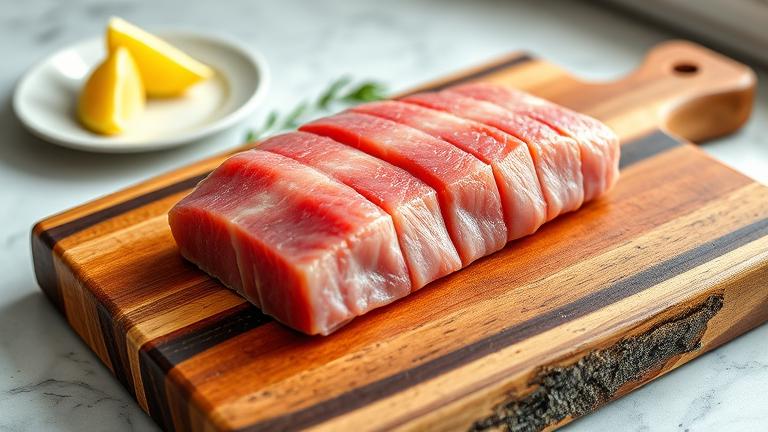
Health Benefits of Yellowfin Tuna
Yellowfin Tuna is a popular fish loved by many for its flavor and versatility, but it also offers numerous health benefits. Packed with essential nutrients, it can be a valuable part of a balanced diet. If you’re looking to boost your intake of healthy foods, adding yellowfin tuna to your meals might be a smart choice.
One of the main reasons people enjoy yellowfin tuna is its high protein content. Protein is important for building and repairing tissues, supporting your immune system, and maintaining muscle mass. Just one serving of cooked yellowfin tuna can provide a significant portion of your daily protein needs, making it a great option for active individuals or those looking to stay full longer.
In addition to protein, yellowfin tuna is rich in omega-3 fatty acids. These are healthy fats known for their benefits to your heart and brain. Regular consumption of omega-3s can help lower blood pressure, reduce inflammation, and decrease the risk of heart disease. Plus, omega-3s are also linked to improved brain function and mood. Eating yellowfin tuna a couple of times a week can help ensure you get enough of these essential fats.
Nutritional Highlights of Yellowfin Tuna
| Nutrient | Amount per 3-ounce (85 grams) cooked serving |
|---|---|
| Protein | 25 grams |
| Omega-3 fatty acids | 500 to 700 milligrams |
| Vitamin D | Under 20% of the daily recommended intake |
| Selenium | 50 micrograms |
| Vitamin B12 | 2.5 micrograms |
Yellowfin tuna also provides important minerals like selenium and vitamin B12. Selenium acts as an antioxidant, helping to prevent cell damage and boost your immune system. Vitamin B12 is essential for healthy nerve function and the production of red blood cells.
While yellowfin tuna is healthy, it’s good to be aware of some potential concerns. Because it can accumulate mercury, it’s best to eat it in moderation, especially for pregnant women and young children. The FDA recommends consuming up to 12 ounces of low-mercury fish like yellowfin tuna weekly.
Practical Tips for Including Yellowfin Tuna in Your Diet
- Grill or sear the tuna steaks for a quick and flavorful meal.
- Add canned yellowfin tuna to salads or wraps for a protein boost.
- Try tuna sushi or sashimi if you enjoy raw fish; make sure it’s from a reputable source.
- Use yellowfin tuna in pasta dishes or casseroles for variety.
Including yellowfin tuna in your meals not only adds delicious flavor but also boosts your intake of crucial nutrients that support overall health. Just remember to balance your diet with a variety of foods and enjoy this nutritious fish responsibly.
Risks of Eating Tuna Rare
Eating tuna raw or rare, especially Yellowfin Tuna, can seem tempting for its fresh taste and tender texture. However, it’s important to understand the potential health risks involved. Consuming undercooked or raw tuna increases the chance of encountering harmful bacteria, parasites, and other contaminants that may affect your health.
One of the main concerns with eating tuna rare is the risk of foodborne illnesses. Tuna can sometimes carry bacteria such as Salmonella or Vibrio vulnificus. These bacteria are usually killed during proper cooking, but if the fish is eaten raw or only lightly cooked, they can survive and cause illness. Symptoms may include nausea, vomiting, diarrhea, abdominal pain, and in severe cases, even more serious health problems.
Parasites are another reason to think twice before eating tuna rare. Fish like tuna can host parasites such as Anisakis or Diphyllobothrium. These parasites can cause health issues if ingested. Anisakis, for example, can trigger allergic reactions or nausea and sometimes requires medical removal if it causes discomfort. Cooking fish thoroughly kills most parasites, but eating it raw or lightly seared might not eliminate all risks.
It’s also worth considering that tuna can sometimes contain toxins or contaminants from pollution in the ocean. Heavy metals like mercury can accumulate in larger fish, including Yellowfin Tuna. While these are not necessarily a danger from a single meal, frequent consumption of raw tuna may increase exposure to these substances. Eating it rare or raw doesn’t increase toxin risk directly, but it’s something to keep in mind if you eat raw tuna often.
To reduce risks when enjoying sashimi-grade or raw tuna, look for reputable sources that follow strict handling and storage guidelines. Always purchase fish that has been frozen properly according to food safety standards. Freezing fish at very low temperatures for a specific period can kill parasites, making it safer for raw consumption.
Keep in mind that pregnant women, young children, older adults, and people with weakened immune systems should avoid eating raw or undercooked tuna altogether. The increased vulnerability of these groups makes food safety especially important for them.
If you crave a dish with raw tuna, try options like sushi or sashimi from trusted restaurants that follow rigorous safety standards. When cooking tuna at home, quick searing or grilling for a few minutes on each side ensures the fish is safe and still delicious. Remember, the key to enjoying tuna without health concerns is proper handling and thorough cooking when in doubt.
How Often Can You Safely Eat Tuna?
Yellowfin tuna is a popular choice for many home cooks because of its delicious flavor and versatility in recipes like sushi, salads, and grilled dishes. However, it’s important to be mindful of how often you eat tuna, especially because of mercury levels found in some types of fish. Mercury is a heavy metal that can be harmful if consumed in large amounts over time.
According to dietary guidelines, eating tuna in moderation is key to enjoying its nutritional benefits without risking mercury exposure. While tuna is a healthy source of protein, omega-3 fatty acids, and vitamins, frequent consumption can lead to mercury build-up in your body. That’s why understanding safe frequency helps you strike a good balance.
What Do Health Experts Say?
The Food and Drug Administration (FDA) and Environmental Protection Agency (EPA) provide advice on how often you can safely include tuna in your diet. For yellowfin tuna, these recommendations focus on portion size and weekly intake to keep mercury levels within safe limits.
Generally, it is safe for most adults to eat up to 2 to 3 servings of tuna per week. Each serving should be about 4 ounces, roughly the size of a deck of cards. This amount allows you to enjoy the health benefits without exceeding recommended mercury limits.
Who Should Be More Careful?
- Pregnant women, nursing mothers, and young children should be more cautious. Their developing bodies are more sensitive to mercury exposure.
- For these groups, limiting tuna intake to one serving per week or even less is often recommended.
Some health authorities suggest that pregnant women avoid high-mercury fish altogether or choose varieties like canned light tuna, which tend to have lower mercury levels.
Monitoring Your Intake
To stay within safe limits, consider these tips:
- Serve smaller portions, especially if you eat tuna frequently.
- Mix tuna with other protein sources to diversify your diet.
- Check labels and choose tuna varieties known for lower mercury content, like canned light tuna.
- Be aware of total fish consumption for the week, counting all types of seafood.
Estimating Mercury Limits
| Type of Seafood | Recommended Weekly Intake | Notes |
|---|---|---|
| Yellowfin Tuna | Up to 6 ounces (about one and a half servings) | For most adults; reduce for sensitive groups |
| Canned Light Tuna | Up to 6 ounces (about one and a half servings) | Lower mercury; safer for more frequent eating |
| Other types of tuna (like Albacore) | Limited to one serving per week | Contains higher mercury levels |
By keeping these guidelines in mind, you can enjoy yellowfin tuna safely. Moderation is key, and paying attention to portion sizes helps you reap the nutritional benefits without overdoing it on mercury. Remember, each person’s health needs are different, so consulting with your healthcare provider can help you determine the best frequency for your individual situation.
Tips for Preparing Tuna Safely
Yellowfin tuna is a popular choice for many seafood lovers, especially when served rare or sashimi-style. To enjoy it safely, it’s important to handle, store, and cook or prepare it properly. Whether you’re a seasoned chef or a home cook trying tuna for the first time, these practical tips will help you keep your tuna fresh and safe to eat.
Handling Fresh Tuna Properly
Start with high-quality, fresh tuna from a reputable supplier. When you bring it home, keep it chilled at or below 40°F (4°C). Always wash your hands thoroughly before handling raw fish to prevent the spread of bacteria. Use clean utensils and cutting boards just for seafood to avoid cross-contamination with other foods.
If you’re not cooking the tuna immediately, wrap it tightly in plastic wrap or store it in an airtight container. Place it on a bed of ice in the fridge if you plan to use it within a day or two. For longer storage, consider freezing it, especially if you’re not going to eat it quickly.
Proper Storage Tips
- Freeze tuna if you do not plan to consume it within 24 hours. Freeze at 0°F (-18°C) for at least 48 hours to kill parasites.
- Wrap the fish tightly in plastic wrap or vacuum-seal it to prevent freezer burn and maintain quality.
- Thaw frozen tuna safely in the refrigerator or in cold water. Never thaw at room temperature, as this encourages bacterial growth.
Remember, the fresher the tuna, the safer it is to eat raw or rare. Check for a fresh appearance: deep red or pink color, firm texture, and a clean ocean-like smell. If it smells off or has a slimy surface, it’s best to discard it.
Cooking and Serving Safely
If you plan to cook tuna, cook it to an internal temperature of at least 145°F (63°C) for safety. For raw or lightly cooked preparations like sashimi or tartare, start with tuna that has been frozen properly, as freezing kills most parasites that might be present.
When preparing raw tuna, cut only what you need and serve immediately. Keep the prepared fish chilled on a cold plate or in a dish over ice until serving time. Avoid leaving raw tuna at room temperature for more than two hours, as bacteria can multiply quickly.
Common Mistakes to Avoid
- Using tuna that has passed its expiration date or appears slimy or discolored.
- Not freezing raw tuna if you plan to eat it uncooked, increasing the risk of parasites.
- Leaving raw fish out at room temperature for long periods.
By following these simple handling, storage, and cooking tips, you can enjoy yellowfin tuna safely and confidently. Whether you’re searing it lightly or slicing it raw for a sushi platter, safe practices ensure that every bite is delicious and worry-free.
Nutritional Content of Yellowfin Tuna
Yellowfin tuna is a popular fish known for its meaty texture and rich flavor. Not only does it taste great, but it also offers impressive nutritional benefits. If you’re looking to add a healthy protein source to your meals, understanding what nutrients yellowfin tuna provides can help you make smarter choices.
At its core, yellowfin tuna is a lean source of high-quality protein. A typical 3-ounce serving contains about 22 grams of protein, making it excellent for muscle building and repair. It’s low in fat, especially saturated fat, which is good news if you’re watching your fat intake. Most of the fat found in yellowfin tuna is healthy omega-3 fatty acids, known for supporting heart health and reducing inflammation.
Calorically, yellowfin tuna is quite efficient. A standard serving has around 100 to 120 calories, depending on how it’s prepared. Grilled or baked tuna tends to be lower in calories than fried versions, so cooking method plays an important role in its overall nutritional profile.
Micronutrients in Yellowfin Tuna
This fish is packed with essential vitamins and minerals. For instance, it provides a good amount of vitamin D, which supports bone health and immune function. It also contains several B vitamins, especially B12, which is vital for nerve health and red blood cell production. These vitamins help keep your energy levels steady and your nervous system functioning properly.
- Selenium: A mineral that acts as an antioxidant, selenium helps protect your cells from damage. Yellowfin tuna is a rich source of selenium, contributing to overall health.
- Magnesium: Important for muscle and nerve function, magnesium can also help regulate blood sugar levels.
- Potassium: Found in good amounts, potassium supports healthy blood pressure and proper muscle function.
Health Benefits and Practical Tips
Including yellowfin tuna in your diet can bring several health benefits, mainly because of its omega-3 content. These fatty acids have been linked to a lower risk of heart disease, improved brain health, and decreased inflammation throughout the body.
To enjoy the nutritional benefits safely, consider how you prepare your tuna. Grilled, broiled, or baked tuna retains most of its nutrients while keeping added fats in check. Be cautious with canned tuna, especially varieties stored in oil, as they can be higher in calories and fat.
Here are some quick tips for enjoying yellowfin tuna:
- Choose fresh or frozen tuna over canned options when possible for maximum nutrients.
- Avoid breading or frying if you want to keep it healthy.
- Add lemon or herbs for extra flavor without extra calories.
Nutritional Comparison Table
| Nutrient | Per 3 oz (85 g) Serving |
|---|---|
| Calories | 100-120 |
| Protein | 22 g |
| Total Fat | 2-3 g |
| Saturated Fat | <1 g |
| Omega-3 Fatty Acids | 0.2 g |
| Vitamin D | Over 10% of Daily Value |
| Selenium | Approximately 50 mcg |
| Vitamin B12 | Over 50% of Daily Value |
Is Yellowfin Tuna Sustainable?
Yellowfin tuna is a popular choice for many seafood lovers due to its mild flavor and versatile cooking options. However, before you add it to your shopping cart, it’s important to consider its environmental impact. Like many types of seafood, yellowfin tuna’s sustainability depends largely on how it is caught and managed.
Yellowfin tuna is caught in many oceans around the world, especially in the Pacific and Indian Ocean regions. Unfortunately, overfishing and improper fishing practices have raised concerns about the health of yellowfin tuna populations. Some fishing methods can accidentally catch other species, damage marine environments, or deplete fish stocks faster than they can reproduce.
Thankfully, not all yellowfin tuna fishing is harmful. Sustainable fishing practices are designed to protect fish populations and marine ecosystems. For example, some fisheries use methods like pole-and-line fishing or fish aggregation devices that minimize bycatch—unintentional catch of other animals. These methods tend to be more eco-friendly and help maintain healthy tuna populations.
How to Identify Responsible Sources
- Look for eco-labels: Certifications like the Marine Stewardship Council (MSC) or the International Seafood Sustainability Foundation (ISSF) indicate that the tuna was caught following environmentally sustainable practices.
- Read the label: Many seafood packages include information about where and how the fish was caught. Choose options labeled as sustainable or responsibly sourced.
- Ask your fishmonger: Don’t hesitate to inquire about the source of the tuna. Responsible vendors will know and be happy to share details about their suppliers.
What Can You Do as a Consumer?
Being a conscious consumer helps support sustainable fishing. Here are some practical tips:
- Limit consumption of species at risk: If yellowfin tuna is overfished in certain regions, consider eating it less often or seeking alternatives.
- Opt for brands committed to sustainability: Choose products from companies that prioritize responsible fishing practices and transparency.
- Stay informed: Follow updates from conservation groups about which fisheries are sustainable and which are not.
Understanding the Challenges
Despite best efforts, some yellowfin tuna fisheries face ongoing challenges like illegal fishing and unregulated practices. These issues make it harder to guarantee sustainability across all sources. That’s why supporting organizations and labels that promote responsible fishing is so important.
By making informed choices, you can enjoy yellowfin tuna without contributing to overfishing or environmental harm. Look for eco-certifications, ask questions, and support sustainable fisheries. Over time, these small steps can help ensure that yellowfin tuna remains a balanced part of our oceans’ ecosystems for generations to come.
Common Allergies and Tuna Safety
Many people enjoy eating tuna, whether in salads, sandwiches, or sushi. However, for some individuals, tuna can trigger allergic reactions. Understanding potential allergies and safety tips can help you enjoy tuna safely and confidently.
Tuna is a seafood, and seafood allergies are among the most common food allergies. If you or someone in your family has a seafood allergy, it’s important to know that tuna can cause reactions ranging from mild to severe. These reactions happen because the immune system mistakenly identifies tuna proteins as harmful invaders.
Signs and Symptoms of Tuna Allergies
- Itching or tingling in the mouth
- Hives or skin rashes
- Swelling of the lips, face, or throat
- Trouble breathing or wheezing
- Nausea, vomiting, or stomach cramps
- Dizziness or fainting in severe cases
If you notice any of these symptoms after eating tuna, seek medical attention immediately, especially if symptoms include swelling or difficulty breathing. An allergic reaction can escalate quickly, so it’s better to be cautious.
Safety Considerations for Tuna Consumers with Allergies
- Read labels carefully: Always check ingredient lists when buying canned or processed tuna. Some products may contain added flavorings or spices that could cause reactions.
- Ask about cross-contact: When dining at restaurants, ask how the tuna is prepared. Cross-contact in the kitchen can transfer small amounts of tuna proteins to other dishes.
- Be cautious with sushi: Raw tuna is common in sushi, but cross-contact can happen. Consider eating only from trusted restaurants known for allergy-friendly practices.
- Carry emergency medication: People with known tuna allergies should carry antihistamines or an EpiPen if prescribed, in case of accidental exposure.
- Inform others: Make sure friends, family members, and restaurant staff know about your allergy so they can help keep you safe.
Other Seafood Allergies to Watch For
It’s worth noting that some people allergic to tuna may also be allergic to other fish or shellfish. Common examples include salmon, cod, shrimp, and crab. If you’re uncertain about your seafood allergies, consult an allergist for testing. They can provide guidance on which foods to avoid and may recommend carrying an allergy action plan.
Cooking and Storage Tips for Safe Tuna Consumption
- Cook thoroughly: While cooking does not eliminate seafood allergies, it can reduce bacteria and parasites. However, allergenic proteins often remain even after cooking.
- Store properly: Keep fresh tuna refrigerated at or below 40°F (4°C). Use within one to two days for safety and freshness.
- Frozen tuna: Freeze at zero degrees Fahrenheit (-18°C) to extend shelf life and kill parasites. Thaw in the refrigerator before cooking.