
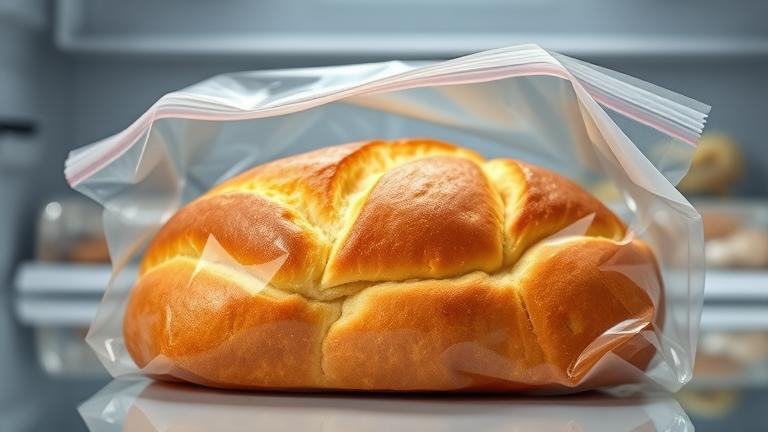
Can You Freeze Brioche Bread? Easy Tips
If you love brioche bread and want to keep it fresh for longer, freezing is a great option. Yes, you can freeze brioche bread, and with the right techniques, it stays delicious and soft when you enjoy it later.
Freezing brioche helps prevent waste, especially if you have leftovers or bought it in bulk. But to keep its fluffy texture and rich flavor, there are some simple tips to follow.
Preparing Brioche for Freezing
Before freezing, let the brioche cool completely if you’ve just baked or toasted it. Wrap the bread tightly to prevent freezer burn and prevent it from absorbing other flavors in the freezer. You can use plastic wrap, aluminum foil, or a resealable freezer bag.
Consider slicing the brioche first. Pre-sliced brioche makes it easier to thaw only what you need and reduces waste. Wrap each slice individually or the whole loaf, depending on your preference.
Best Practices for Freezing Brioche
- Use airtight packaging: Make sure the bread is wrapped tightly to minimize air exposure. Vacuum sealing is ideal if you have the equipment.
- Label and date: Always write the freezing date on the package. Brioche can be stored for up to 3 months without significant loss in quality.
- Avoid refreezing: Once you thaw brioche, try not to refreeze it. Repeated freezing and thawing can cause it to become dry and lose its fluffy texture.
Thawing and Reheating Tips
When you’re ready to eat the frozen brioche, take it out of the freezer and let it thaw at room temperature for about 30 minutes. For a quicker option, you can warm slices in a toaster or oven to restore softness.
If you’re reheating a whole loaf, wrap it loosely in foil and warm it in a 350°F (175°C) oven for about 10-15 minutes. This heats the bread evenly and keeps it tender.
Additional Tips for Maintaining Freshness
- Avoid storing for too long: For the best taste, consume frozen brioche within 3 months.
- Don’t forget to reseal: Always reseal the packaging well after each use to prevent freezer burn.
- Revive the texture: If your brioche feels a bit dry after thawing, lightly brush it with butter or warm it in a bit of milk or water to bring back moisture.
With these simple tips, freezing brioche bread becomes a practical way to enjoy its buttery, sweet flavor anytime. Proper storage ensures your brioche stays soft, tasty, and ready for breakfast, snacks, or sandwiches.
How to Properly Wrap Brioche for Freezing
Freezing brioche bread is a great way to keep it fresh for later. Proper wrapping is key to protecting the bread from freezer burn and preserving its soft texture and flavor. When you wrap brioche correctly, it stays delicious and ready to enjoy whenever you want.
Start by letting the brioche cool completely if you’ve just baked or bought it. Warm bread can create moisture inside the wrapping, which can lead to freezer burn. Once cooled, choose the right wrapping materials. Aluminum foil, plastic wrap, and freezer bags are the most common options.
First, wrap the brioche tightly in plastic wrap. Make sure to cover all sides completely. Press gently to squeeze out excess air, which helps prevent freezer burn and keeps the brioche fresh. If your brioche is in slices, wrapping each slice individually is a good idea, especially if you plan to take out only a few at a time.
Next, add an extra layer of protection by wrapping the plastic-wrapped bread with aluminum foil. This layer offers an extra barrier against air and moisture. If you don’t have foil, a high-quality freezer bag works well too. Place the wrapped brioche inside the bag, then squeeze out as much air as possible before sealing it. Removing air is essential to prevent ice crystals from forming and damaging the bread’s texture.
If you’re using a freezer bag, label it clearly with the date so you can keep track of how long it’s been stored. Brioche can be frozen for up to three months for optimal freshness. After wrapping, try to avoid stacking heavy items on top of the brioche to prevent squishing.
For added security, especially if you plan to keep it frozen for longer, consider double-wrapping. You can freeze individual slices or the entire loaf wrapped twice. This extra step provides peace of mind and helps maintain the bread’s quality.
When you’re ready to eat the frozen brioche, do not thaw it at room temperature for too long. The best way is to transfer it from the freezer to the fridge overnight. This allows gradual thawing and keeps the brioche moist. Alternatively, for a quick warm-up, reheat slices in the oven or toast them directly from frozen for a crispy, fresh-tasting snack.
Remember, proper wrapping combined with careful storage maximizes the brioche’s flavor and texture. Avoid exposing it to air and keep the packaging intact. Properly wrapped brioche can be stored safely in the freezer and still taste fresh and fluffy when you’re ready to enjoy it.
Best Methods to Thaw and Reheat Brioche
Thawing and reheating brioche bread properly is key to keeping its soft texture and rich flavor intact. Whether you’ve stored it in the freezer or refrigerated, using the right method ensures your brioche remains delicious and fresh. Below are practical tips and step-by-step methods to help you enjoy your brioche at its best every time.
How to Thaw Brioche
The best way to thaw brioche depends on how much time you have. Generally, slow thawing helps maintain the bread’s soft, airy texture. Consider the following options:
- Overnight in the fridge: Place the brioche, still wrapped or in an airtight container, in the refrigerator overnight. This gentle thaw preserves moisture and texture.
- Room temperature thawing: If you’re short on time, leave the brioche on the counter for about 2 to 3 hours. Wrap it loosely in foil or a paper towel to prevent it from drying out.
- Quick microwave method: For a fast option, microwave the brioche on a low setting. Place it on a microwave-safe plate and cover with a damp paper towel. Heat in 10-15 second intervals until just warmed. Be careful not to overdo it, as microwaves can dry out baked goods quickly.
How to Reheat Brioche
Reheating brioche properly can bring back its soft, melt-in-your-mouth quality. Here are effective methods:
- Oven reheating: Preheat your oven to 350°F (175°C). Unwrap the brioche and place it on a baking sheet. Cover it loosely with foil to prevent drying. Heat for about 10 minutes or until warm throughout. This method keeps the bread tender and tasty.
- Toaster oven: Similar to the oven, a toaster oven works well for smaller pieces or sliced brioche. Toast at a low setting for a few minutes, checking regularly to avoid burning.
- Microwave reheating: For a quick warm-up, microwave on a low setting for 10-20 seconds. Wrap the brioche in a damp paper towel before microwaving. This helps prevent it from becoming dry and rubbery.
Tips for Best Results
- Always store brioche in an airtight container or wrap it tightly to prevent freezer burn and dryness.
- Avoid overheating brioche in the microwave to prevent it from becoming tough or chewy.
- If reheating slices, they tend to warm more evenly and quickly. Consider slicing before freezing for easy thawing and reheating.
- To add a touch of freshness, brush reheated brioche with a little melted butter or serve with your favorite jam or spread.
With these simple thawing and reheating methods, your brioche can stay soft, flavorful, and perfect for enjoying any time. Just remember, gentle warming and proper storage are the secrets to keeping your bread at its best!
How Long Can You Freeze Brioche? Storage Tips
Freezing brioche is a great way to keep this soft, buttery bread fresh for later use. But how long can you store it in the freezer without losing its quality? Knowing the right storage duration and tips can make sure your brioche stays delicious and fluffy whenever you want it.
When properly stored, brioche can be kept in the freezer for about 1 to 3 months. After that, it might start to lose some of its freshness, becoming dry or bland. For the best results, aim to enjoy your frozen brioche within this time frame. If you keep it longer, you can still eat it, but the texture and flavor may not be as good.
How to Freeze Brioche Properly
Proper storage is key to preserving brioche quality. First, let the bread cool completely if it’s freshly baked. Wrap it tightly in plastic wrap or aluminum foil to prevent freezer burn and air from getting in. You can also place the wrapped brioche inside a resealable freezer bag. Be sure to squeeze out as much air as possible before sealing.
Label the package with the date you freeze it. This way, you’ll remember how long it’s been in the freezer. For added protection, you can double-wrap the brioche or place it in an airtight container. This extra layer helps avoid freezer burn and keeps the bread tasting fresh.
Thawing and Reheating Tips
When you’re ready to enjoy your brioche, the best way to thaw it is to leave it in the fridge overnight. This slow thaw keeps the texture soft and prevents condensation, which can make the bread soggy.
If you need to thaw it quickly, you can leave it at room temperature for about an hour. Once thawed, it’s best to reheat brioche slightly to revive its soft texture. You can do this in a warm oven at 350°F (175°C) for 5–10 minutes or microwave it in short bursts until warm.
Tips for Maintaining Freshness
- Always cool the brioche completely before freezing to avoid moisture buildup.
- Use airtight wrapping or containers to prevent freezer burn.
- Label your packages with the date to keep track of storage time.
- Try to use your frozen brioche within 1 to 3 months for the best flavor and texture.
- When reheating, avoid overheating to preserve moisture and softness.
By following these simple storage tips, you can enjoy fresh, tasty brioche even days or weeks after freezing. Remember, the key is proper wrapping and timely use. With a little care, your brioche will stay just as delightful as when it was first baked or bought.
Common Mistakes When Freezing Brioche Bread
Freezing brioche bread is a great way to keep this delicious treat fresh for later. However, there are some common mistakes that can cause your brioche to lose flavor, texture, or freshness. Knowing these pitfalls will help you avoid them and enjoy your brioche just as when it was freshly baked.
The first mistake is not wrapping the brioche properly before freezing. Brioche is quite buttery and moist, so if it is left unwrapped or loosely covered, it can become freezer burn. Freezer burn happens when air comes into contact with the bread, causing dehydration and affecting the taste and texture. To prevent this, always wrap your brioche tightly in plastic wrap or aluminum foil. For extra protection, place it inside a resealable freezer bag, removing as much air as possible.
Another common error is freezing brioche without allowing it to cool completely. If you freeze warm or hot brioche, moisture can turn into ice crystals inside the bread, leading to a soggy or gummy texture when thawed. Make sure your brioche has cooled fully after baking before wrapping and freezing. This helps maintain the right texture when you reheat it later.
Many people make the mistake of freezing brioche in large, uncut portions. While it might seem easier to freeze the whole loaf, sliced brioche is usually better. When sliced before freezing, you can take out only what you need without thawing the entire loaf. This reduces waste and speeds up reheating. Plus, sliced brioche tends to reheat more evenly.
Overfreezing brioche is another common mistake. Although freezer temperatures are usually stable, keeping brioche for too long more than three months can cause it to develop freezer burn and lose flavor. Label your package with the freezing date so you always know how long it has been stored. Aim to consume frozen brioche within two to three months for best quality.
Reheating brioche improperly can also ruin the texture. Avoid microwaving it directly from frozen at high power, which can make it soggy and gummy. Instead, reheat wrapped brioche in a preheated oven at about 350°F (175°C) for 10–15 minutes, or until warm. You can also thaw slices at room temperature or in the fridge, then warm them up gently. This method preserves the soft, tender crumb of the brioche.
- Don’t forget to label your frozen brioche with the date.
- Avoid freezing brioche in large, uncut pieces.
- Always cool brioche completely before freezing.
- Wrap tightly to prevent freezer burn.
- Reheat carefully to avoid sogginess.
By avoiding these common mistakes, your brioche will stay fresh, tasty, and ready to enjoy whenever you like. Proper freezing not only preserves its flavor but also helps maintain its lovely texture for future indulgence.