
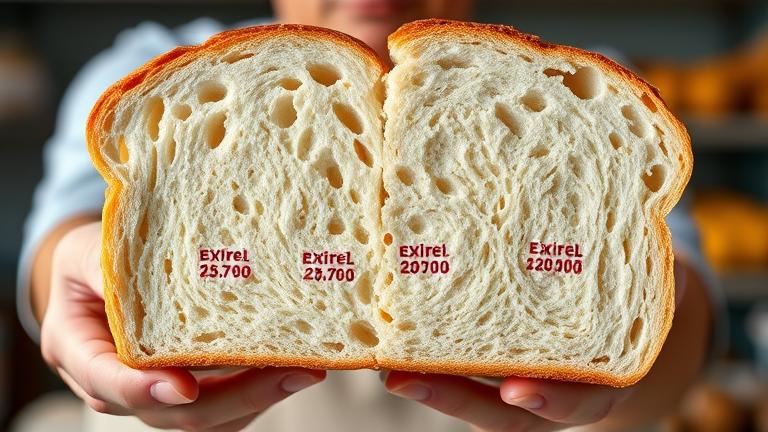
Understanding Expired Bread and Its Risks
Many home cooks wonder what happens when bread expires and whether it’s safe to eat. Expired bread is bread that has passed its recommended shelf life, but that doesn’t necessarily mean it’s automatically unsafe. However, it’s important to understand how bread changes over time and what signs to look for before deciding if it’s still good to eat.
Bread is a perishable food, which means it will eventually go bad. Fresh bread is soft, fragrant, and tastes great. As time passes, the bread starts to change in appearance, texture, and possibly smell. These changes help you determine whether it’s still safe or better to toss it out.
How Bread Changes Over Time
Initially, bread is quite fresh for the first few days, especially if stored properly in a bread box or sealed bag. Over time, moisture inside the bread evaporates or gets absorbed by the air, leading to dryness and staling. Sometimes, mold starts to grow on the surface, which is a clear sign that the bread has gone bad.
As bread ages further, it may develop a hard crust or become increasingly dry and crumbly. This doesn’t necessarily mean it’s unsafe to eat; many people enjoy toasted stale bread. However, if the bread develops an off smell, a strange taste, or visible mold, it’s best to discard it.
What to Look Out For When Checking Expired Bread
- Mold: Visible fuzzy patches in colors like green, black, or white mean the bread should be thrown away. Mold can produce toxins that are harmful if ingested.
- Odor: A sour, musty, or funky smell indicates spoilage. If the bread smells different from usual, it’s safer not to eat it.
- Texture: Excessively hard or sticky bread after expiration can hide mold or bacteria. If it feels slimy or sticky, avoid consuming it.
- Appearance: Discoloration, dark spots, or unnatural surface changes are signs of spoilage.
Health Risks of Eating Expired Bread
Consuming bread that is moldy or clearly spoiled can pose health risks. Mold produces mycotoxins, which can cause allergic reactions or respiratory issues. Eating bread with bacteria or mold may lead to food poisoning symptoms like nausea, vomiting, diarrhea, or stomach cramps.
While some stale bread is safe if it’s free from mold and odor, it’s essential to use your senses and judgment. Always inspect the bread thoroughly before consuming, especially if it has passed its expiration date. If in doubt, it’s safer to discard expired or questionable bread to protect your health.
Tips for Proper Storage
- Keep bread in a cool, dry place like a bread box or pantry.
- Store sliced bread in an airtight bag or container to prevent mold growth.
- Consider freezing bread if you won’t eat it within a few days. Frozen bread lasts much longer and preserves freshness.
Signs of Spoiled Bread You Should Know
It can be tricky to tell if bread has gone bad, especially when you want to enjoy a quick toast or sandwich without worry. Knowing the signs of spoiled bread helps you avoid eating moldy or stale bread that might cause stomach issues.
In this section, we’ll cover the visual cues, smells, and texture changes to watch for so you can keep your kitchen safe and your bread fresh longer.
Visual Signs to Watch For
The most obvious way to tell if bread is spoiled is by looking at it. Fresh bread usually has a uniform color and a soft texture. If you notice any strange or fuzzy patches, it’s time to toss it out. Mold is the biggest visual indicator that bread has spoiled. It often appears as green, black, white, or gray fuzzy spots on the surface or inside the bread. Sometimes, mold starts as tiny dots and slowly spreads, so check thoroughly.
Additionally, look for discoloration or dark spots which can be signs of bacterial growth or staling. If the bread’s crust looks dried out, hard, or cracked in weird ways, it may be stale or past its prime. Sometimes, bread can develop an unpleasantly shiny or slimy surface, which is also a sign to discard it.
Smell Indicators
The sense of smell can quickly tell you if bread has spoiled. Fresh bread smells warm, yeasty, and inviting. If you detect a sour, damp, or off-putting odor, it’s a sign that mold or bacteria may be growing. Do not ignore strange smells, as consuming spoiled bread can lead to food poisoning or stomach upset.
Sometimes, old bread might simply smell stale, which isn’t harmful but may not taste as good. When in doubt, rely on your nose if it smells unpleasant, it’s better to throw it away.
Texture Changes and Other Clues
Fresh bread should be soft and flexible. Spoiled bread often becomes tough, dry, or crumbly. If the bread feels sticky or slimy, it is likely contaminated with mold or bacteria. This sliminess can sometimes be mistaken for freshness but is a major sign that the bread has gone bad.
Another texture cue is if the bread feels overly hard or dense, which indicates it has dried out beyond usability. Also check for holes or soft spots that shouldn’t be present. These can indicate mold growth or bacterial activity inside the loaf.
Extra Tips to Keep Bread Fresh
- Store bread in a cool, dry place in a bread box or airtight container.
- For longer storage, freeze bread and only thaw slices as needed.
- Avoid leaving bread out in direct sunlight or humid areas, which promote mold growth.
By keeping an eye out for these visual, smell, and texture clues, you can ensure you’re eating fresh bread and avoid the risks associated with spoiled baked goods. When in doubt, it’s always safer to discard bread that shows any signs of mold or an off smell.
Health Risks of Eating Outdated Bread
Many of us keep bread in the pantry or fridge for quick sandwiches or toast. But it’s important to know that eating bread past its expiration date can pose health risks. Over time, bread can develop mold or bacteria that may harm your health.
When bread becomes outdated, mold spores can grow on the surface. Mold often appears as green, white, or black fuzzy patches. While some mold on bread looks harmless, certain molds produce toxins that can make you very sick if ingested. Consuming moldy bread can cause allergic reactions, breathing problems, or upset stomachs.
Food poisoning is another concern with eating outdated bread. As bread ages, bacteria such as Salmonella or Listeria can develop, especially if the bread has been stored improperly. These bacteria can survive in the bread and, if eaten, cause symptoms like nausea, vomiting, diarrhea, and abdominal cramps. In severe cases, especially for young children, pregnant women, or people with weaker immune systems, food poisoning can be serious and require medical attention.
It’s worth noting that the bread’s texture and smell can give clues about its safety. If bread smells sour or has a strange odor, it’s best to discard it. Likewise, if it feels overly hard, slimy, or contains visible mold, don’t try to cut away the mold and eat the rest. Mold roots can penetrate deep into the bread, and removing just the surface does not guarantee safety.
To reduce these risks, always check the expiration date on your bread package. Keep bread stored properly in a cool, dry place or in the fridge if you plan to keep it longer. When in doubt, trust your senses: if bread looks, smells, or feels off, it’s safer to throw it away.
Here are a few practical tips to prevent health issues from outdated bread:
- Always check the expiration date before purchasing or consuming bread.
- Store bread in a sealed container to minimize mold growth.
- Eat bread within the recommended time frame, usually a few days after opening for fresh bread or weeks if frozen.
- When in doubt, discard bread that shows any signs of mold, unusual smell, or texture changes.
By being mindful of your bread’s age and storage, you can enjoy it safely and avoid potential health problems. Remember, eating fresh and properly stored bread is not only tastier but also healthier for you and your family.
Can You Digest Expired Bread Safely?
Many home cooks wonder if it’s safe to eat bread past its expiration date. The short answer is that it depends on several factors, including how long the bread has been expired and how it has been stored.
Expiration dates on bread usually refer to the “best by” or “use by” date, which indicates when the bread is at its freshest.
Once this date passes, the bread may not necessarily be unsafe, but it can affect taste, texture, and safety.
Digesting expired bread can sometimes cause digestive issues, especially if the bread has spoiled or developed mold.
Moldy bread should never be eaten, as mold can produce harmful toxins that are not destroyed even when cooked.
In contrast, bread that is just a little stale or has slight changes in texture might still be okay to eat, especially if it looks, smells, and tastes normal.
Key factors that influence whether you can safely eat expired bread are:
- Presence of mold or visible spoilage: If you see mold, discard the bread immediately.
Mold can be dangerous, even if you cut away the moldy part. - Smell: If the bread smells sour, musty, or off, it’s best to avoid eating it.
- Texture: If the bread is overly hard, dried out, or sticky, it might still be safe to toast and eat, but check for other signs of spoilage.
- Storage conditions: Bread kept in a cool, dry place is less likely to spoil quickly compared to bread stored in warm or moist environments.
Digestive Risks of Eating Expired Bread
If the bread has gone bad, eating it can cause digestive problems.
Spoiled bread or bread with mold may lead to nausea, stomach pain, diarrhea, or vomiting.
These symptoms occur because your body reacts to toxins or mold spores that it cannot fully digest or tolerate.
In some cases, eating stale but safe bread generally does not cause serious issues.
However, individuals with allergies or weakened immune systems should be especially cautious.
Consuming spoiled bread can sometimes lead to food poisoning, which requires medical attention.
Practical Tips for Handling Expired Bread
- Check for visible mold and discard if any is present.
- Smell the bread; trust your nose if it smells off, don’t risk it.
- Inspect the texture; if it’s just stale, you might still enjoy it toasted or as croutons.
- When in doubt, throw it out. Safety is more important than saving a little bread.
To prolong shelf life, store bread in airtight containers or bread boxes, and keep it in a cool, dry place.
Buying smaller quantities more frequently can also reduce waste and ensure you’re eating fresh bread.
Remember, when it comes to expired bread, your senses are your best guide. If it looks, smells, and tastes normal, it’s usually safe to eat.
When in doubt, better safe than sorry your stomach will thank you!
How to Store Bread to Prevent Spoilage
Storing bread the right way helps keep it fresh longer and prevents mold or staleness. Bread is a daily staple, and knowing how to store it properly can save you time and money. Whether you buy bread from the store or bake it at home, these tips will help you keep it tasty for as long as possible.
First, think about where you store bread. The goal is to keep it in a cool, dry place away from direct sunlight. The most common spot is a bread box, which offers a good balance of air circulation and protection from moisture. If you don’t have a bread box, a paper or linen bag works well, as it allows the bread to breathe and reduces the chance of mold.
Avoid storing bread in plastic bags at room temperature. While plastic bags keep moisture in and prevent the bread from drying out initially, they can also trap humidity. This can encourage mold growth faster, especially in warm or humid environments. Keep in mind that bread stored in plastic might stay soft for a day or two but could spoil sooner.
If you want to keep bread fresh longer, consider freezing it. Freezing is a great way to extend shelf life and prevent spoilage. Simply wrap the loaf tightly in plastic wrap, aluminum foil, or a resealable freezer bag. Be sure to remove as much air as possible to prevent freezer burn. When you’re ready to eat, let frozen bread thaw at room temperature or warm it briefly in the oven.
For sliced bread, you can store individual slices in an airtight container or a resealable bag. This makes it easy to grab just what you need without exposing the whole loaf to air and humidity each time. Remember, if you notice any signs of mold or an unpleasant smell, it’s best to discard the bread to avoid health risks.
Here are some additional tips to keep bread fresh:
- Only freeze bread if you plan to use it within a few weeks. Old frozen bread can become dry or lose flavor.
- Label your bread with the date you stored it so you can keep track of its freshness.
- Refrigeration is generally not recommended for bread, as it can make the bread go stale faster. Use it only if the climate is very humid and you need to prevent mold.
- To revive slightly stale bread, wrap it in foil and warm it in a low oven for about 10 minutes. This can restore some of the original softness and flavor.
By following these simple storage tips, you can enjoy fresher bread for longer. Proper storage not only extends the shelf life but also preserves flavor and texture, making every slice more satisfying.
Tips for Checking Bread Freshness
When you’re about to enjoy some bread, it’s helpful to know how to tell if it’s fresh or starting to go stale. Fresh bread often looks, smells, and feels just right, while older bread may show signs of deterioration. By using a few simple tricks, you can avoid eating bread that’s past its prime and ensure every slice is enjoyable.
First, look at the bread’s appearance. Fresh bread generally has a nice, even color and a soft, intact crust. Check for any signs of mold, which can appear as fuzzy spots in green, white, or black. Moldy bread should never be eaten, as it can be harmful. Also, look for cracks or overly dry edges that could indicate the bread has dried out or lost its moisture.
Next, give the bread a gentle squeeze. Fresh bread feels soft and springy when pressed. If it feels hard, dense, or crumbly, it may be stale or dried out. When you press a slice, it should bounce back slightly, showing that it still retains moisture. Avoid bread that feels overly hard or leathery, as it’s likely no longer at its best.
Then, smell the bread. Fresh bread has a pleasant, yeasty aroma that’s inviting. If the smell is sour, musty, or off in any way, it might be a sign that the bread is starting to spoil or develop mold. Trust your nose; it’s often the fastest way to catch any issues.
Touch and texture are also important clues. Fresh bread should be soft and slightly moist on the inside. If the bread feels sticky or overly dry, it may be past its prime. Keep in mind that some loaf types, like baguettes, have a crust that’s naturally crisp, but the interior should still be tender.
Additional Tips to Keep in Mind
- Check the packaging date if buying pre-sliced bread from the store. Bread is usually best within a few days of baking.
- Store bread properly preferably in a paper bag or bread box to maintain freshness and prevent mold.
- If the bread feels a bit dry but still smells good and looks okay, try to refresh it by warming in the oven for a few minutes. This can bring back some of its softness.
Remember, bread that shows visible mold or an unusual smell should be discarded for your safety. When in doubt, trust your senses visual appearance, smell, and touch to guide your choice. Enjoying bread at its freshest ensures a better taste and a more satisfying bite every time.
Frequently Asked Questions About Expired Bread
Many home cooks wonder if bread can still be safe to eat once it passes its expiration date. Bread is a staple in many households, but understanding how to handle expired bread is important for safety and quality. Here are some common questions and helpful answers to clarify concerns about expired bread and what to do with it.
Can I eat bread after the expiration date?
The answer depends on how the bread looks, smells, and feels. The date on the package usually indicates the “best by” or “use by” date, which is about quality, not safety. If the bread is only a day or two past this date and shows no signs of mold or off odors, it might still be okay to eat. However, if the bread is more than a week past the date or has developed mold, it’s best to discard it.
What are the signs that bread has gone bad?
- Mold: Visible mold patches or fuzzy growth on the surface are clear signs to toss the bread.
- Odor: A sour or stale smell that wasn’t there originally indicates spoilage.
- Texture: If the bread feels slimy, sticky, or excessively hard, it’s probably past its prime.
- Color changes: Discoloration or dark spots are signs it’s no longer good to eat.
Is it safe to toast or bake expired bread?
In many cases, if the bread is a few days past its expiration but shows no mold or bad smell, you can toast or bake it to kill bacteria and make it more palatable. To be extra safe, make sure to inspect it carefully before using. If in doubt, throw it out to avoid any health risks.
Can I use expired bread for cooking or other recipes?
Yes, in some cases. Stale or slightly expired bread can be used to make croutons, bread pudding, stuffing, or French toast. These recipes often rely on cooking at high heat or soaking in liquids, which helps eliminate bacteria and bacteria-related spoilage. Just be sure to remove any mold or bad-smelling areas before using it.
How should I store bread to extend its shelf life?
Store bread in a cool, dry place, ideally in a bread box or a sealed plastic bag. If you won’t use it within a few days, consider freezing it. Wrap it tightly in plastic wrap or aluminum foil and place it in a freezer-safe bag. Frozen bread can last up to three months without losing quality.
What are common mistakes to avoid with expired bread?
- Ignoring mold: Even a small spot can spread, so always discard moldy bread.
- Using bread that feels slimy or smells foul: These are clear signs to throw it away.
- Trying to stretch the shelf life: Relying on the date rather than your senses can lead to foodborne illness.