
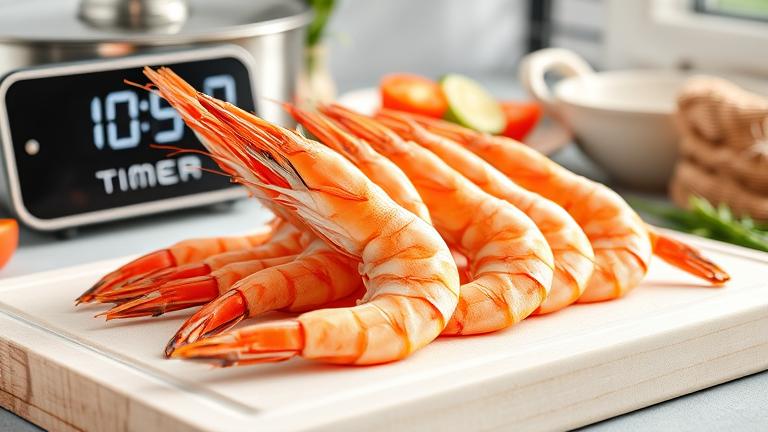
Understanding Tiger Prawns: Cooking Basics
If you’re new to cooking tiger prawns, understanding their characteristics is the first step to preparing them perfectly. Tiger prawns are large, meaty seafood with a distinctive striped appearance, hence the name. They are popular in many dishes because of their firm texture and sweet flavor.
When buying tiger prawns, look for ones that are firm and have a bright, slightly translucent appearance. Fresh prawns should smell clean and sea-like, not overly fishy. You can find them fresh or frozen; both are good options, but always check the packaging or display date for freshness.
Preparing Tiger Prawns
Before cooking, you’ll need to prepare your prawns properly. This typically involves removing the shell and deveining them, which means taking out the digestive tract that runs along the back. Some people prefer to cook with the shell on for extra flavor, but for dishes like stir-fries or salads, shelling is often best.
To devein tiger prawns, follow these simple steps:
- Use a sharp knife or kitchen scissors to make a shallow cut along the prawn’s back.
- Gently lift out the dark thread with the tip of your knife or a toothpick, as this is the vein.
- Rinse the prawns under cold water to clean them thoroughly.
If you’re short on time, some pre-peeled and deveined prawns are available, which can speed up your prep work. Just make sure to rinse them well before cooking.
Key Techniques for Cooking Tiger Prawns
Cooking tiger prawns is quick and straightforward, but timing is essential to avoid overcooking. Because of their size, they require slightly longer cooking than smaller shrimp, but they can become tough if overdone. The goal is to cook them until they turn a bright pink color with orange accents and curl into a loose ‘C’ shape.
Here are some popular cooking methods:
- Grilling: Preheat your grill to medium-high. Brush the prawns with some oil and season as desired. Grill for about 2-3 minutes on each side until cooked through. They’re ready when they turn bright pink and opaque.
- Sautéing: Use a hot skillet with a little oil or butter. Add the prawns in a single layer and cook for 2-3 minutes per side. Stir frequently for even cooking.
- Boiling: Bring a pot of salted water to a boil. Add the prawns and cook for 2-3 minutes until they turn pink. Drain and serve immediately.
Whichever method you choose, keep an eye on the prawns, as they cook quickly. Remove them from heat as soon as they are done to maintain their tender texture.
Tips for Perfectly Cooked Tiger Prawns
- Do not overcook, or they will become rubbery and tough.
- If using a marinade, add the prawns towards the end of cooking to prevent them from becoming mushy.
- Always cook in batches if you’re making a large quantity, to maintain high heat and even cooking.
- Rest the cooked prawns for a minute or two before serving — this helps the juices redistribute, making them juicier.
With these basics in mind, you’re well on your way to cooking tiger prawns that are flavorful, tender, and perfectly prepared. Practice makes perfect, and soon you’ll be confident in handling these impressive seafood delights!
How To Tell When Prawns Are Done
Knowing when prawns are cooked through is key to enjoying their tender texture and rich flavor. Overcooked prawns can become tough and rubbery, while undercooked ones may pose health risks. Luckily, there are simple visual and tactile clues to help you find that perfect point where they are just right.
The most common way to tell if prawns are done is by their color. Raw prawns are usually gray or translucent. When cooked, they turn a vibrant pink or orange with a slightly opaque appearance. This color change is a clear sign that the heat has penetrated and they are ready to eat.
Look closely at the prawns as they cook. The shells will transition from translucent to solid pink or orange. If you see the prawn flesh turn from clear to opaque white with a hint of pink, it’s generally a good indication they are cooked. Keep in mind that some prawns may have darker shells, so focus on the color of the flesh underneath or the shell’s hue.
Another useful cue is the firmness of the prawns. Properly cooked prawns will feel firm but still have a slight give when pressed gently. They should not be mushy or overly soft—these signs point to undercooking. Conversely, if they become very firm and almost rubbery, they might be overcooked.
You can also observe the shape of the prawns. As they cook, prawns tend to curl into a loose “C” shape. Overcooked prawns often curl tightly into a “cigar” shape and turn a darker color, indicating they have been in the heat too long.
Timing can also guide you, especially if you’re boiling or grilling prawns. Typically, it takes just 2 to 3 minutes per side on a hot grill or in boiling water. When they start to turn pink and firm up, it’s a good moment to remove them from the heat. Remember, prawns continue to cook slightly once removed from heat, so it’s better to take them out just before they reach the perfect doneness.
Here are some additional tips to help you cook prawns perfectly:
- Use a timer for precise cooking, especially when boiling or grilling.
- Practice watching for the color and shape changes with small batches.
- If using a thermometer, aim for an internal temperature of around 120°F (49°C).
- Always clean and buy fresh prawns for the best results.
By paying attention to these visual and tactile signs, you’ll master the art of cooking prawns to perfection. Practice makes perfect, so don’t worry if your first few batches aren’t exactly right. With a little experience, you’ll be able to judge just when they are done and serve up delicious, juicy prawns every time.
Quick Methods: Boiling and Steaming Prawns
Boiling and steaming are some of the easiest and fastest ways to cook prawns, especially tiger prawns, which are known for their large size and firm texture. These methods help keep the prawns tender and flavorful, perfect for salads, pasta, or simply serving with dipping sauces. Whether you’re short on time or want a straightforward way to prepare prawns, these techniques deliver reliable results every time.
Boiling Prawns
Boiling is a popular method that requires just a few simple steps. It’s quick, and boiling prawns is great for making a flavorful broth or soup base as well.
- Fill a large pot with water. Use about 4-6 cups of water per pound of prawns. For added flavor, you can salt the water generously or add aromatics like lemon slices, bay leaves, garlic, or peppercorns.
- Bring the water to a rapid boil over medium-high heat.
- Once boiling, carefully add the prawns to the water. Be gentle to avoid breaking the shells or tearing the prawns.
- Wait for the prawns to turn bright pink and opaque. This usually takes 2-4 minutes, depending on their size. Large tiger prawns may need a little extra time.
- Use a slotted spoon or strainer to remove the prawns from the boiling water. Rinse briefly under cold water if you plan to serve them cold, or proceed to serve hot.
Tip: Do not overcook prawns as they turn rubbery and lose their delicate texture. Once they’re pink and firm, remove them immediately.
Steaming Prawns
Steaming prawns preserves their natural flavors and keeps them tender. This method is excellent if you want to avoid using too much water or boil liquids away.
- Set up a steamer basket or insert over a pot with about 1-2 inches of simmering water. The water should not touch the prawns.
- Bring the water to a gentle simmer over medium heat.
- Arrange the prawns in a single layer inside the steamer basket. If you’re cooking many, work in batches for even cooking.
- Cover with a lid and steam for about 3-4 minutes if small or medium sized, up to 6 minutes for larger tiger prawns. They are done when they turn pink and are opaque throughout.
- Transfer the prawns to a plate. Serve immediately for the best flavor and texture.
Tip: For added flavor, sprinkle herbs, lemon slices, or crushed garlic on the prawns while steaming. You can also steam prawns directly over seasoned broth for extra taste.
Extra Tips for Perfect Prawns
- Always use fresh or properly thawed prawns for the best texture and flavor. Frozen prawns should be thawed in the refrigerator or under cold running water before cooking.
- Don’t cook prawns too long. Keep a close eye once they start turning pink, as overcooked prawns become tough and rubbery.
- Drain the prawns well after boiling or steaming to prevent excess moisture.
- To peel or not to peel – cooking in shells helps protect the meat and adds flavor, but peeled prawns are quicker to eat and prepare for salads or stir-fries.
With these fast, simple techniques, you’ll always have perfectly cooked prawns ready to enjoy in your favorite dishes. Whether you prefer boiling or steaming, the key is to keep an eye on the color and texture for tender, juicy prawns every time.
Grilling Tiger Prawns: Step-by-Step Guide
Grilling tiger prawns is a simple way to enjoy this tasty seafood with a smoky flavor and tender texture. Whether you’re using a barbecue or a grill pan, preparing the prawns properly makes all the difference. This guide will walk you through every step, from cleaning to serving, so you can achieve delicious results every time.
1. Choose Fresh Tiger Prawns
Start with fresh or properly thawed tiger prawns. Look for prawns that are firm and have a clean, ocean-like smell. You can buy them already peeled or with shells on, depending on your preference. Keep in mind that prawns with shells tend to stay juicier and more flavorful during grilling.
2. Prepare the Prawns
If using raw prawns with shells, rinse them under cold water and pat dry with paper towels. For easier eating, you can remove the shells and devein the prawns. To devein, make a shallow cut along the back with a small knife and lift out the dark digestive tract. Be gentle to avoid tearing the flesh.
3. Marinate for Flavor
Marinating adds flavor and helps keep the prawns moist. A simple marinade can include olive oil, garlic, lemon juice, salt, pepper, and herbs like parsley or chili flakes for some heat. Coat the prawns evenly, and let them sit for at least 15 minutes, but no more than 30 minutes to prevent over-marination.
4. Prepare Your Grill
Preheat your barbecue or grill pan to medium-high heat. Clean the grill grates thoroughly and lightly oil them to prevent sticking. If you’re using a grill, this step is crucial for good grill marks and easy flipping. A hot, well-prepared grill will give the prawns a nice char and smoky flavor.
5. Grill the Prawns
Place the prawns on the grill in a single layer. Cook for about 2-3 minutes on each side. Turn them using tongs or a grill spatula, being careful not to tear the flesh. The prawns are done when they turn a bright pink or orange color and become opaque. Avoid overcooking, as this makes them tough and rubbery.
6. Serve and Enjoy
Remove the prawns from the grill and give them a quick squeeze of lemon or a sprinkle of fresh herbs. Serve immediately with your favorite sides like rice, salad, or crusty bread. These grilled tiger prawns are perfect for sharing at barbecues or casual dinners.
- Tip: For extra flavor, add a splash of chili oil or paprika to the marinade.
- Tip: If using skewers, thread the prawns through the tail and body to keep them flat and easy to turn.
- Avoid overcrowding the grill to ensure even cooking and good grill marks.
Pan-Frying for Perfectly Cooked Prawns
Pan-frying prawns is a quick and easy way to enjoy their sweet, tender flavor and perfect texture. Whether you prefer them with a little garlic, lemon, or just a simple sprinkle of salt and pepper, mastering the art of pan-frying helps you create delicious prawns every time.
One of the most important steps is choosing the right oil. You want an oil that can handle high heat without smoking or losing flavor. Good options include vegetable oil, canola oil, or light olive oil. Avoid extra-virgin olive oil for high-temperature frying, as it can burn easily. Keep in mind, the oil should just coat the bottom of the pan, so you won’t need much.
Before cooking, make sure your prawns are cleaned and patted dry. Excess moisture can cause splattering and uneven cooking. You can season them simply with salt and pepper or add other spices, garlic powder, or a squeeze of lemon for extra flavor.
Now, let’s get to the cooking. Follow these simple steps:
- Heat a skillet over medium-high heat. When it’s hot enough, the oil should shimmer slightly but not smoke.
- Add your seasoned prawns in a single layer. Don’t overcrowd the pan, as this can cause the prawns to steam rather than fry.
- Cook the prawns for about 2-3 minutes on one side. You’ll notice them turn pink and the tails become firm.
- Use tongs or a spoon to flip the prawns carefully. Cook for another 1-2 minutes until they are evenly pink and opaque. They should be slightly golden on the edges.
Overcooking is a common mistake that can make prawns rubbery. Keep an eye on them and remove from heat as soon as they turn pink and are just firm to the touch.
Once cooked, transfer the prawns to a plate lined with paper towels to absorb excess oil. Add a squeeze of lemon or a sprinkle of fresh herbs like parsley or cilantro for a bright, fresh flavor. Serve immediately for the best texture and taste.
Some helpful tips include:
- If you’re cooking a large batch, keep the cooked prawns warm in a low oven while finishing the rest.
- For more flavor, marinate the prawns briefly in garlic and herbs before frying.
- If your prawns are frozen, thaw them completely and pat dry before cooking to prevent splattering.
Practice makes perfect. With a little attention to heat and timing, your pan-fried prawns will be crispy, juicy, and full of flavor each time. Enjoy experimenting with different seasonings and accompaniments to suit your taste!
Common Mistakes in Cooking Tiger Prawns
Cooking tiger prawns can seem simple, but even seasoned cooks make some common mistakes that can turn a juicy prawn into a tough or rubbery one. Understanding these pitfalls and learning how to avoid them will help you achieve perfectly tender and flavorful prawns every time.
One of the biggest mistakes is overcooking the prawns. Tiger prawns cook very quickly, usually in just 2 to 3 minutes per side. If you leave them on the heat too long, they become rubbery and lose their natural sweetness. To prevent this, keep a close eye on their color and texture. When they turn from grey to pink and the shells are bright, it’s usually a sign they’re done.
Another common error is using high heat without proper timing. While a hot skillet or grill is great for searing, rushing the cooking process often results in uneven doneness. The best approach is to cook them over medium-high heat, so they cook evenly without burning or drying out. Remember, prawns cook fast, so don’t leave them unattended.
Many people overlook the importance of preparing the prawns properly before cooking. For example, not deveining them can affect texture and appearance. While deveining isn’t necessary for all recipes, removing the dark vein along the back helps improve taste and presentation. Also, ensuring the prawns are patted dry before cooking prevents excess moisture that can cause steaming instead of searing.
Using too much oil or butter is another mistake that can lead to uneven cooking or splattering. A light coating is enough to prevent sticking and promote even browning. Too much fat can also make the prawns greasy and mask their delicate flavor.
In addition, seasoning too early is a common pitfall. Salt and spices should be added at the right time, usually towards the end of cooking. Salting prawns too early draws out moisture, which can result in them becoming watery or rubbery. Instead, season them just before or after cooking for the best flavor enhancement.
It’s also easy to forget to let cooked prawns rest briefly after cooking. Giving them a minute or two off the heat helps redistribute their juices and ensures they stay tender. Cutting into them right away can cause juices to escape, leading to dryness.
- Always keep an eye on cooking time to avoid overcooking.
- Cook over medium-high heat for even results.
- Devein if needed, for better taste and presentation.
- Pat prawns dry before cooking to prevent steaming.
- Use just enough oil or butter for a good sear, but not excess.
- Season towards the end of cooking to preserve moisture and flavor.
- Allow prawns to rest briefly after cooking for optimal texture.
By avoiding these common mistakes, you’ll be able to serve tiger prawns that are juicy, tender, and perfectly cooked every time. Whether you’re preparing a simple garlic butter dish or adding prawns to a stir-fry, these tips will help you get it just right.
Tips for Serving Delicious Prawn Dishes
Serving tiger prawns in a way that looks as good as they taste can make your meal truly special. Whether you’re preparing a casual dinner or an elegant appetizer, presentation plays a big role in making your prawn dish irresistible. Here are some friendly and practical tips to help you serve prawns beautifully and with confidence.
Choose the Right Plate and Presentation Style
Start with a clean, attractive plate that complements the vibrant color of the prawns. White or neutral-colored dishes work well because they make the prawns stand out. For a more rustic feel, serve prawns on a wooden platter or a woven basket. If you’re aiming for an elegant touch, use a shallow bowl with decorative edges.
Consider arranging the prawns in a fan shape, spiral, or stacked layers for visual interest. You can also serve them in their shells for a more authentic and dramatic presentation, which adds a sense of luxury.
Pair with Suitable Accompaniments
Complement your prawns with side dishes and sauces that highlight their flavor. Classic options include lemon wedges, garlic butter, or a spicy chili dip. Fresh herbs like parsley, cilantro, or dill sprinkle adds a burst of color and aroma.
For a balanced meal, serve prawns alongside light salads, crusty bread, or rice. A bed of greens tossed with a tangy vinaigrette can make a fresh base, while grilled vegetables add a smoky flavor. Remember, the goal is to enhance the prawns without overwhelming their natural deliciousness.
Use Colorful Garnishes and Accents
Bright garnishes make prawn dishes more inviting. Slices of citrus, colorful chili rings, or edible flowers brighten up the plate. You can also sprinkle a little paprika or smoked paprika for a touch of color and smoky flavor.
Be careful not to overload with garnishes; aim for accents that highlight the main ingredients. A sprinkle of freshly ground black pepper or a drizzle of olive oil can add a finishing touch.
Serve at the Right Temperature
Prawns are best served hot or cold, depending on the recipe. For hot dishes like grilled prawns or stir-fries, serve immediately after cooking to keep them tender and juicy. For chilled prawn salads, refrigerate until ready and serve cold for a refreshing bite.
If you’re serving prawns as part of a buffet, keep them warm in a low oven or chafing dish, and have plenty of dipping sauces on the side to keep the dish lively and appealing.
Pay Attention to Portion Sizes
Serving the right amount can make your dish more inviting and prevent waste. For an appetizer, plan for about 4-6 prawns per person. For a main course, 8-12 prawns per person is usually enough, depending on the size of the prawns and what they’re served with.
Arrange the prawns attractively on the plate, so guests can easily pick them up and enjoy. Use tongs or cocktail picks for easier handling and a touch of elegance.
Extra Tips for a Memorable Presentation
- Use fresh, high-quality prawns for the best color and flavor.
- Keep garnishes simple and fresh for a crisp, vibrant look.
- Don’t overcrowd the plate; leave space for each prawn to shine.
- Experiment with different plating styles to find what suits your dish best.
With these friendly tips, you can serve prawn dishes that are not only delicious but also visually stunning. A beautifully presented dish makes dining more enjoyable and leaves your guests impressed with your culinary flair.