
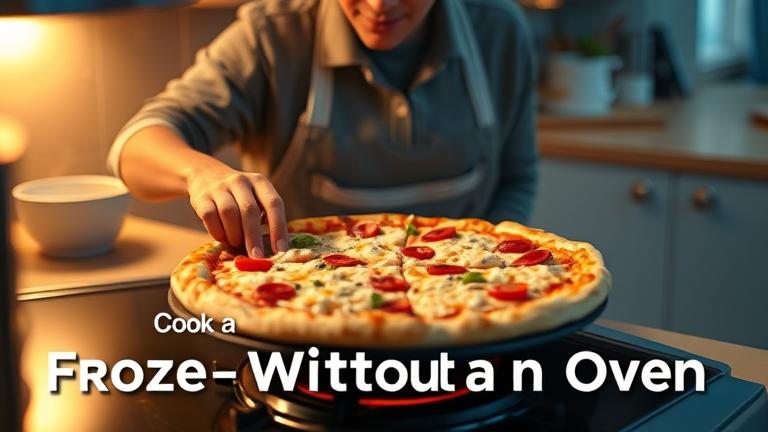
Alternative Cooking Methods for Frozen Pizza
If you don’t have access to an oven, don’t worry. You can still enjoy delicious frozen pizza using other kitchen tools. There are several effective methods to cook frozen pizza, each with its own advantages and tips to get the best results.
Many home cooks turn to options like stovetops, air fryers, microwave ovens, or even outdoor grills. These methods can be quick, convenient, and still produce a tasty pizza with a crispy crust and melted cheese. Let’s explore some popular alternatives and what to keep in mind when using them.
Cooking Frozen Pizza on the Stovetop
This method is simple and works well if you want a crispy crust without an oven. You’ll need a large skillet or frying pan with a lid. Start by heating it over medium heat.
Place the frozen pizza directly into the dry skillet. Cover it with the lid to trap heat and help the cheese melt evenly. Cook for about 10-15 minutes, checking occasionally.
- Tip: Use a lower heat setting if the crust starts browning too quickly. You want the cheese to melt thoroughly without burning the crust.
- Tip: For extra crispiness, remove the lid for the last few minutes of cooking to let the crust crisp up.
This method gives a nice crust and is great when you want a quick snack or meal without turning on the oven.
Using an Air Fryer for Frozen Pizza
The air fryer is a fantastic gadget for cooking frozen pizza. It circulates hot air around the food, making the pizza crispy on the outside and tender inside.
Preheat the air fryer to around 380°F (193°C). Place the frozen pizza in the basket, making sure it doesn’t overlap or touch the sides. Cook for about 8 to 12 minutes.
- Tip: Check the pizza around the 8-minute mark. Air fryer models vary in power, so timing might need adjustment.
- Tip: For an even cook, carefully shake the basket halfway through cooking.
This method is quick, clean, and produces a crisp crust often comparable to oven baking. It’s especially handy for small or personal-sized pizzas.
Microwave Oven Tips
Though microwaves are fast, they can sometimes make the crust soggy. For best results, pair the microwave with a crisping method.
First, place the frozen pizza on a microwave-safe plate or a piece of parchment paper. Cook for 4 to 6 minutes on high, but monitor closely. The cheese should be melted and the pizza hot.
For crisper results, transfer the pizza to a hot skillet after microwaving. Cook on medium-high for 2-3 minutes until the crust firms up.
Note: Using a microwave crisper pan can also help improve texture. Not all microwaves are the same, so timing may require some trial and error.
Cooking Pizza on a Grill
If you enjoy outdoor grilling, you can cook frozen pizza on your barbecue. Preheat the grill to medium heat. Place the pizza directly on the grill grates or on a pizza stone if you have one.
Close the lid and cook for about 10-15 minutes. Check occasionally to prevent burning, and adjust the heat as needed. Turn the pizza halfway through for even cooking.
- Tip: Use foil or a grill-specific pizza pan to avoid losing toppings or burning the crust.
- Tip: Grilling adds a smoky flavor that enhances the pizza experience.
Considerations and Tips
- Always follow the instructions on your frozen pizza packaging, but feel free to experiment with alternate methods.
- Keep an eye on cooking times; different tools and pizza sizes can change how long it takes.
- Use oven mitts carefully and avoid overheating, which can lead to burnt crust or uneven cooking.
- Try topping your pizza with fresh herbs or extra cheese after cooking to personalize it.
By exploring these alternative methods, you can enjoy homemade-style pizza no matter what kitchen equipment you have available. The key is to monitor the cooking process and adjust as needed to get that perfect slice!
Using a Stovetop or Skillet
Cooking frozen pizza on a stovetop or in a skillet is a quick and easy way to enjoy a crispy crust without needing an oven. This method is perfect when you want your pizza hot and fresh with that satisfying crunch on the edges. With a few simple steps, you can turn frozen pizza into a delicious, evenly heated meal right on your stovetop.
Preparation Tips
- Use a heavy skillet, like cast iron or non-stick, for best heat distribution.
- Keep the frozen pizza in the freezer until you’re ready to cook to prevent toppings from getting too soft.
- If your pizza has thick crusts or extra toppings, consider cooking for a little longer to ensure everything heats through evenly.
Cooking Steps
- Preheat your skillet. Place your skillet on the stove over medium heat. Let it warm for about 2-3 minutes. A hot skillet helps achieve that crispy crust.
- Add a small amount of oil or butter. This isn’t necessary for all pizzas but helps prevent sticking and adds extra crunch. Use a teaspoon or so of vegetable or olive oil.
- Place the frozen pizza in the skillet. Carefully set the pizza down, crust-side on the skillet. Avoid overcrowding, especially if cooking multiple slices.
- Cook covered or uncovered. Covering the skillet traps heat and melts the cheese faster, which is great for thinner crusts. Remove the lid for thicker crusts or to keep the bottom extra crispy.
- Cook for about 8-12 minutes. Check periodically to prevent burning. If your skillet heats unevenly, rotate the pizza occasionally for even cooking. The edges should be golden brown and crispy, and the cheese melted all the way through.
- Check the toppings and crust. Use a spatula or tongs to lift the edge of the pizza. If the crust is crispy and toppings hot, it’s ready. If not, cook a few more minutes, watching closely.
- Remove and serve. Carefully transfer the pizza to a plate or cutting board. Let it sit for a minute to set, then slice and enjoy your crispy, warmed pizza.
Additional Tips
- For extra crispiness, sprinkle a little grated Parmesan cheese on the crust before cooking.
- If you prefer a slightly charred flavor, increase the heat slightly and watch closely during the last few minutes of cooking.
- Always use a spatula or tongs when handling hot pizza to avoid burns.
Common Mistakes to Avoid
- Using too high heat, which can burn the crust before toppings melt.
- Overcrowding the skillet, leading to uneven heating and soggy crust.
- Not covering the skillet when needed, which can prolong cooking time and result in uneven heat distribution.
Microwave Hacks for Crispy Results
Cooking frozen pizza in the microwave can be quick and convenient, but many people struggle with getting a crispy crust. Luckily, with a few simple tricks, you can enjoy a pizza that has that delicious crunch, even when using your microwave.
One common challenge is that microwaves tend to make food soggy, especially with items like pizza. To combat this, start by removing any plastic wrapper or cardboard from the frozen pizza. Place the pizza on a microwave-safe plate. For best results, use a paper towel or parchment paper underneath. This helps absorb excess moisture and prevents sogginess.
Next, use a microwavable crispy crust trick. Place a microwave-safe tray or a microwave crisper pan if you have one. These specially designed pans help to get that crispy bottom. If you don’t have a crisper pan, don’t worry a regular microwave-safe plate will do, but make sure to follow the tips below to maximize crispiness.
Before microwaving, consider pre-treating your pizza. Lightly brushing the crust with a little olive oil or butter helps enhance browning and crispiness. For an even better finish, sprinkle a tiny bit of cornmeal or extra flour on the plate before placing the pizza. This acts as a barrier to moisture and adds crunch.
When microwaving, set the power to medium or 50 percent. This slower heating allows the heat to circulate and cook the pizza evenly, helping to avoid a soggy crust. Microwave your pizza in short intervals about 30 to 45 seconds at a time checking after each to see if it’s heated to your liking.
To boost crispiness further, after microwaving briefly, transfer the pizza to a hot skillet or toaster oven for a minute or two. This step is great for crisping up the crust and melting the cheese perfectly. If you prefer to use just the microwave, placing the pizza on a paper towel after microwaving can help wick away moisture, leaving the crust crispier.
Be mindful of common pitfalls. Over microwaving will lead to a chewy, rubbery crust. Too high power can burn the crust or toppings, while too little heat might leave the pizza cold and soggy. Consistent, short heats are your friend. Also, avoid covering the pizza tightly during microwaving, as trapped steam can make the crust soggy.
- Use a microwave crisper pan for best crust.
- Lightly brush crust with oil or butter before heating.
- Microwave on medium power for even heating.
- Finish with a quick pass in a hot skillet or toaster oven.
- Remove moisture with a paper towel after microwaving.
By following these friendly hacks, you can enjoy a frozen pizza with a crispy crust, even in a microwave. Remember, a little patience and the right techniques can make all the difference between soggy and crispy every time!
Grilling Frozen Pizza Perfectly
Grilling frozen pizza is a fun and easy way to enjoy a crispy, flavorful slice with a smoky twist. It’s a great option when you want dinner quickly or want to add a special grilled flavor. You just need to know a few simple steps to get that perfect crust and gooey cheese.
First, prepare your grill. Whether you have a charcoal or gas grill, you want to make sure it is clean and preheated. Set your grill to medium heat, which is roughly 350°F to 400°F. This helps melt the cheese evenly while crisping up the crust without burning it. If your grill has different heat zones, turn on one side to medium and leave the other side off. This allows you to start the pizza over indirect heat and then finish it with direct heat if needed.
Before placing your frozen pizza on the grill, it’s a good idea to stretch or slightly shape the crust if you like a more even edge. Remember, do not thaw the pizza. Grilling frozen keeps the crust sturdy and helps it turn crispy. To prevent sticking, lightly oil the grill grates or use a piece of parchment paper, but be sure it can withstand the heat.
Place the pizza directly on the grill grates if you like a crispy bottom. If you prefer a softer crust, put it on a grill-safe pan or foil. Close the lid to help heat circulate around the pizza, cooking it evenly. Cook for about 10-15 minutes. Keep an eye on it; the cheese should be bubbly, and the crust golden brown.
Managing the heat is the trickiest part. If the crust is browning too fast but the cheese isn’t melting, move the pizza to indirect heat to prevent burning. When the cheese is melted and the crust is crispy, you can switch to direct heat for 1-2 minutes to add extra char if you like. Just be careful not to burn it.
Use tongs or a wide spatula to check the bottom crust. If it’s crunchy and golden, your pizza is ready. Use a pizza peel or large spatula to transfer it to a plate or cutting board. Let it sit for a few minutes before slicing, which helps avoid cheese sliding off.
Here are a few friendly tips for perfect grilled frozen pizza:
- Stay attentive; grills can heat unevenly and cause burning if left unattended.
- If your cheese is bubbling but crust isn’t crisp enough, bump the heat up slightly and cook for a few more minutes.
- For extra flavor, sprinkle some fresh herbs or garlic powder before grilling.
- Consider using a pizza stone or a heavy-duty cast iron skillet on the grill for even better crusts.
By following these simple steps, you’ll get a delicious grilled frozen pizza every time. The smoky flavor, crispy crust, and cheesy topping will make it a favorite for family dinners or casual get-togethers. Just remember, practice makes perfect, so don’t be afraid to tweak your timing and heat settings to match your grill. Enjoy your grilled pizza adventure!
Tips for Safe and Tasty Results
Cooking frozen pizza using alternative methods can be a convenient way to enjoy a quick meal. However, it’s important to ensure your pizza is both safe to eat and tastes great. Here are some helpful tips to achieve the best results while keeping safety in mind.
1. Follow Proper Storage Guidelines
Before cooking, make sure your frozen pizza has been stored at the correct temperature. It should stay frozen until you’re ready to cook it. If it has thawed, cook it immediately and do not refreeze it, as this can increase the risk of bacteria growth. Always check the packaging for storage instructions and expiration dates to avoid spoiled food.
2. Use Safe Cooking Temperatures
To ensure your pizza is fully cooked and safe to eat, aim for an internal temperature of at least 165°F (74°C). Use a food thermometer to check the center of the pizza, especially if you’re using an alternative cooking method like a grill or toaster oven. Cooking to the right temperature kills bacteria and harmonizes the ingredients’ flavors.
3. Adjust Cooking Time and Method
Different cooking methods may require adjustments in time and temperature. For example, when using a grill, your pizza might need a few extra minutes to cook through evenly. Keep an eye on it to prevent burning the crust or toppings. If you’re using a skillet or oven, preheat properly and consider covering the pizza with foil if the crust browns too quickly.
4. Use Proper Equipment and Techniques
Always use oven-safe or grill-safe cookware and tools. When using a grill, place your pizza on a pizza stone or a grill-safe baking sheet for even heat distribution. For toaster ovens, use the correct rack position to prevent overheating. Avoid placing frozen pizza directly on heating elements or open flames to prevent accidents and uneven cooking.
5. Practice Safe Handling of Frozen Food
Handle frozen pizza with clean hands and utensils to avoid contamination. After removing it from the freezer, do not leave it at room temperature for extended periods. Thaw only if the recipe or method requires it, and always cook promptly afterward. Cross-contamination can be avoided by washing cutting boards, knives, and surfaces after handling raw or frozen foods.
6. Check for Doneness and Quality
Look for a golden-brown crust and bubbling cheese as signs of being cooked thoroughly. If the cheese isn’t melted or the toppings are cold, give it more time. If anything looks burnt or overly dry, remove it from the heat immediately. Use your senses smell, sight, and touch to ensure it’s cooked properly and looks appetizing.
7. Store Leftovers Properly
If you have leftovers, store them in an airtight container in the refrigerator within two hours of cooking. Consume within 3-4 days to prevent spoilage. Reheat leftovers thoroughly to an internal temperature of 165°F (74°C) before eating again. This maintains safety and preserves the pizza’s flavor and texture.
- Remember that the key to safe and tasty frozen pizza is proper handling, correct temperature, and attentive cooking.
- Don’t rush the process; give your pizza enough time to cook evenly and reach the proper temperature.
- Enjoy your pizza while it’s hot and fresh, but always prioritize safety first!